AQA A Level Chemistry復(fù)習(xí)筆記5.2.1 Rate Equations
Rate Equations The?rate of reaction?refers to the change in the amount or concentration of a reactant OR product per unit time It can be found by: Measuring the?decrease in the concentration...
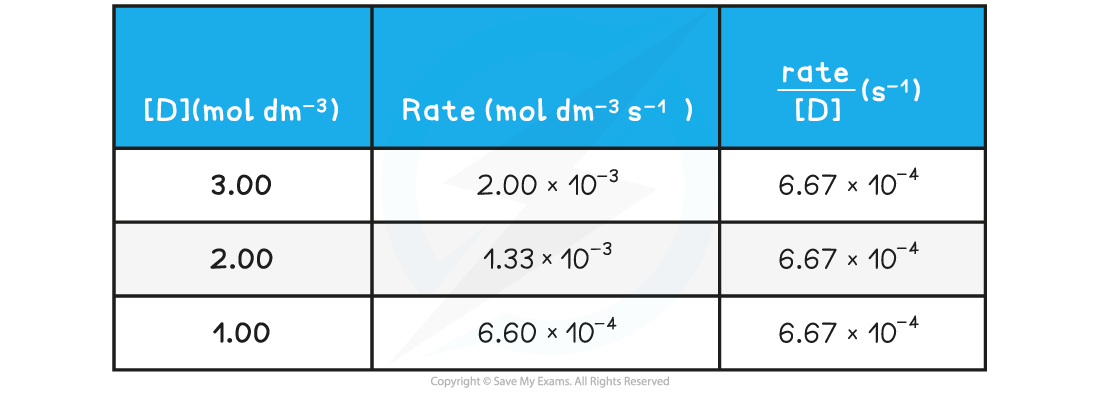
Rate Equations The?rate of reaction?refers to the change in the amount or concentration of a reactant OR product per unit time It can be found by: Measuring the?decrease in the concentration...

Defining Thermodynamic Terms Thermodynamics?literally means?heat?and?movement?and is the branch of physical chemistry that deals with heat, energy, temperature and the physical properties of...
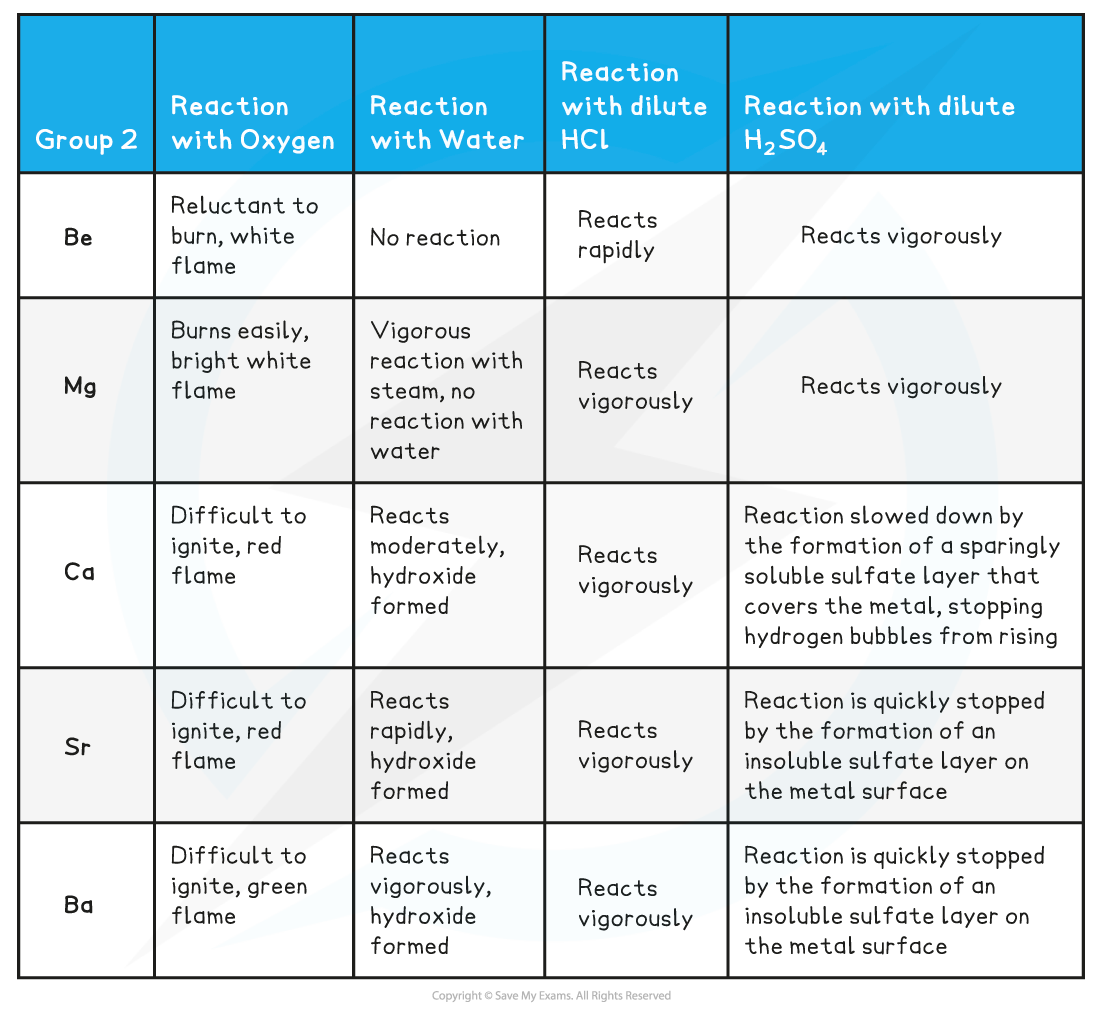
Reactions of Group 2 Elements Although there is no required practical specifically based around the reactions of Group 2 elements, these reactions are important and students tend to not do v...
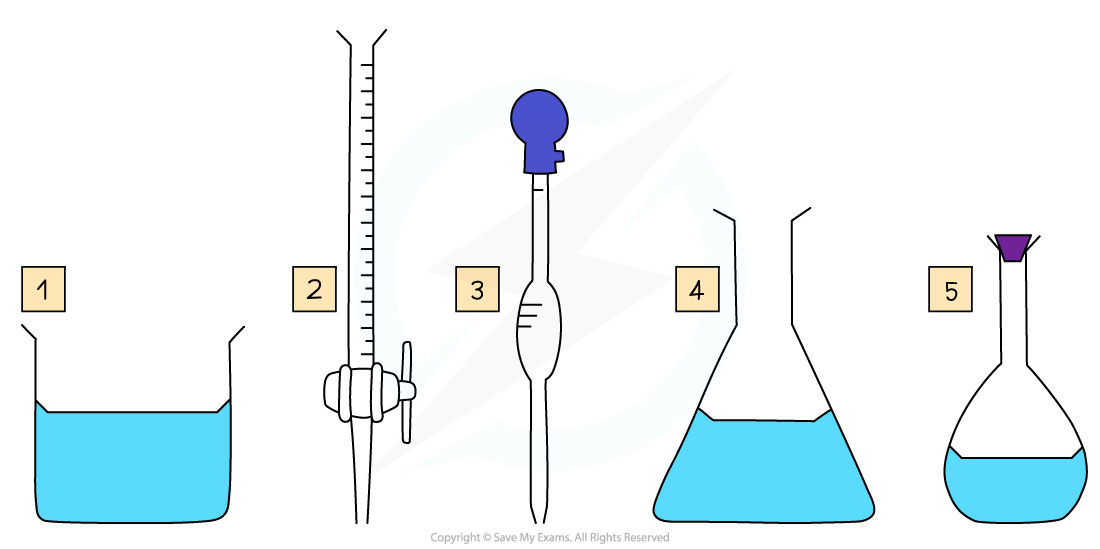
Making a Volumetric Solution REQUIRED PRACTICAL 1 Volumetric Analysis Volumetric analysis?is a process that uses the volume and concentration of one chemical reactant (a volumetric solution)...
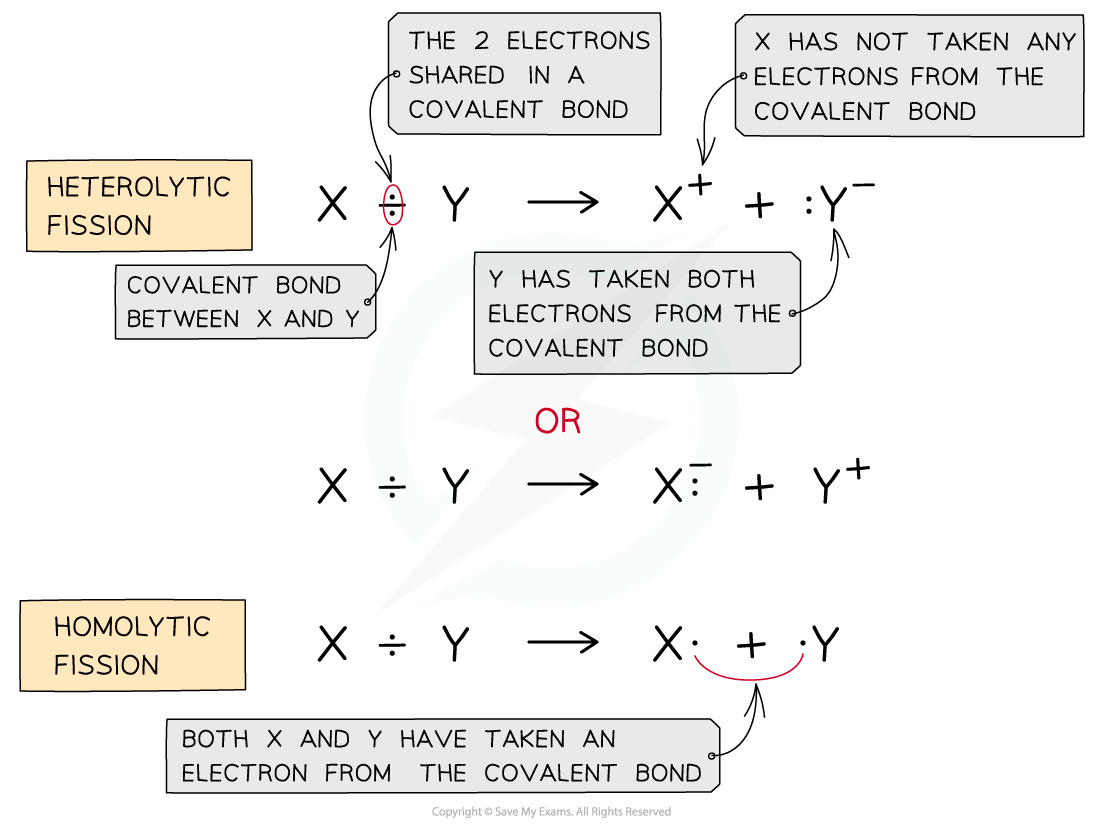
Reaction Mechanisms: Terminology Homolytic & Heterolytic fission Homolytic fission?is breaking a covalent bond in such a way that each atom takes an electron from the bond to form two ra...
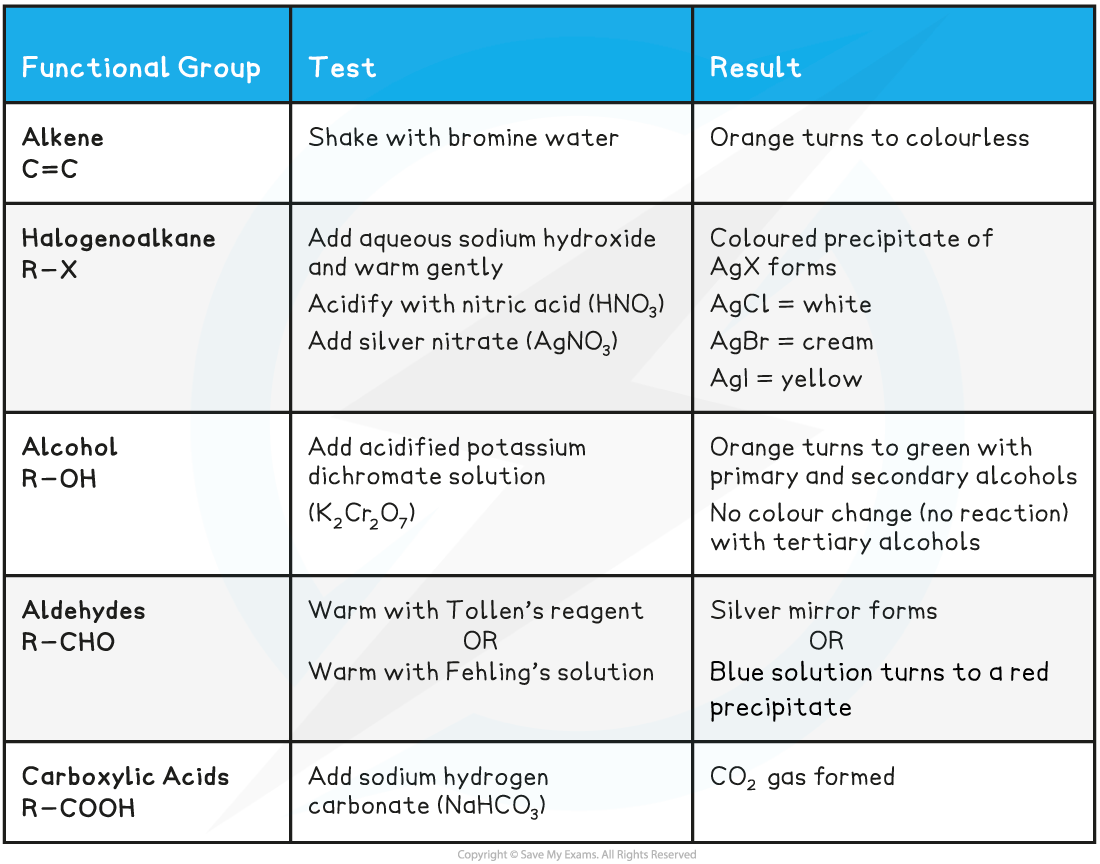
Test-Tube Reactions Often, chemists will need to identify the functional groups present in an organic compound Some simple questions which can be considered are: Is the compound acidi...
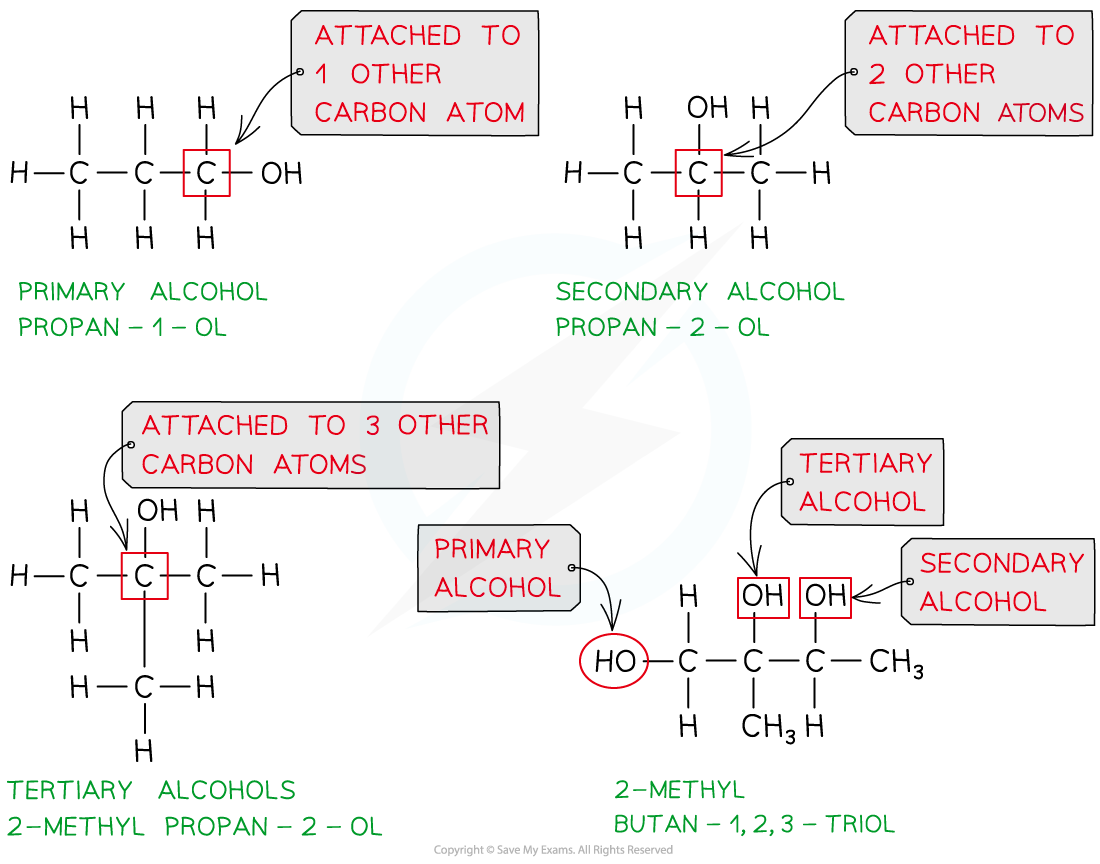
Classification of Alcohols Primary?alcohols?are alcohols in which the carbon atom bonded to the -OH group is attached to?one?other carbon atom (or alkyl group) Secondary?alcohols?are alcohol...
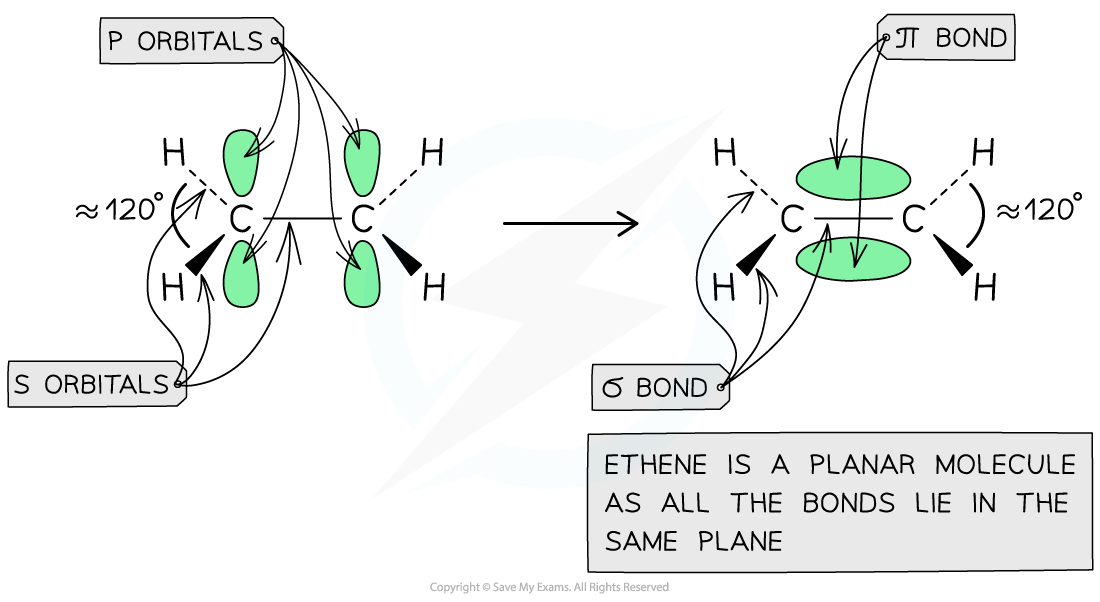
Shapes & Bond Angles in Organic Molecules Each carbon atom has four electrons in its outer shell (electronic configuration: 1s22s22p2) Carbon atoms share these four electrons in four cov...
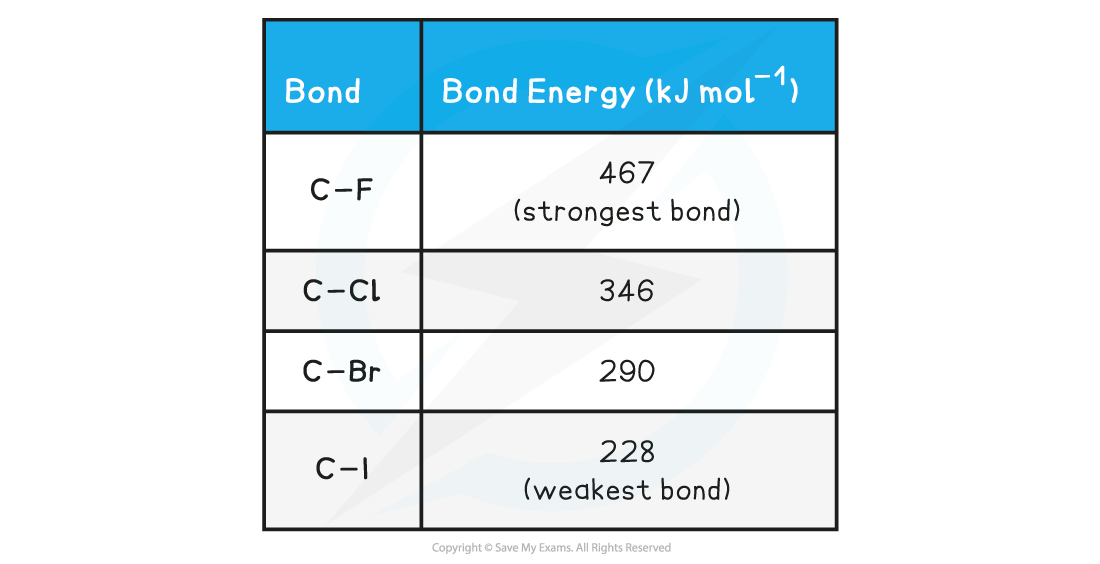
Reactivity of Halogenoalkanes The halogenoalkanes have different?rates?of?substitution?reactions Since substitution reactions involve?breaking?the?carbon-halogen?bond the?bond?energies?can b...





