AQA A Level Biology復習筆記7.3.7 Types of Speciation
Allopatric & Sympatric Speciation Evolution?causes?speciation: the formation of?new species?from pre-existing species over time, as a result of?changes to gene pools?from generation to g...
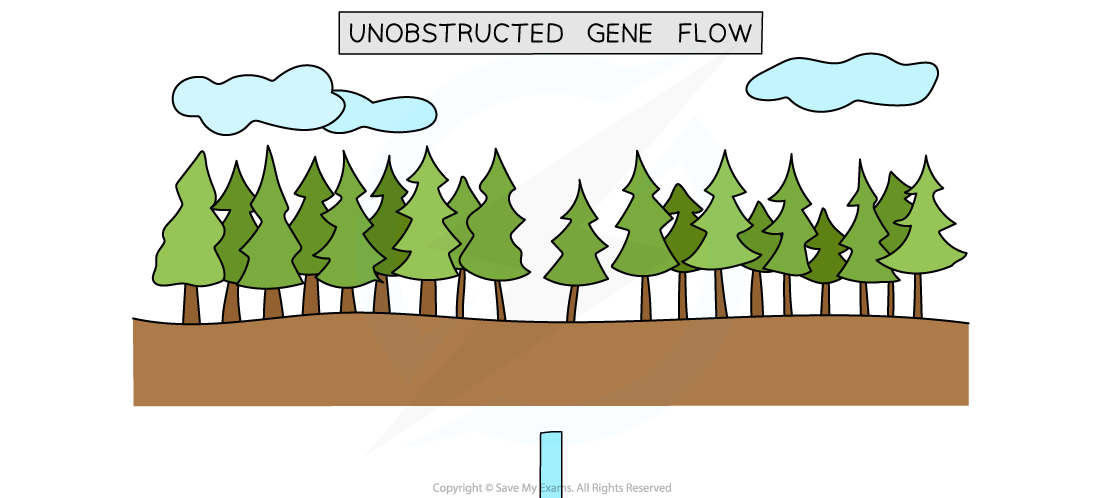
Allopatric & Sympatric Speciation Evolution?causes?speciation: the formation of?new species?from pre-existing species over time, as a result of?changes to gene pools?from generation to g...
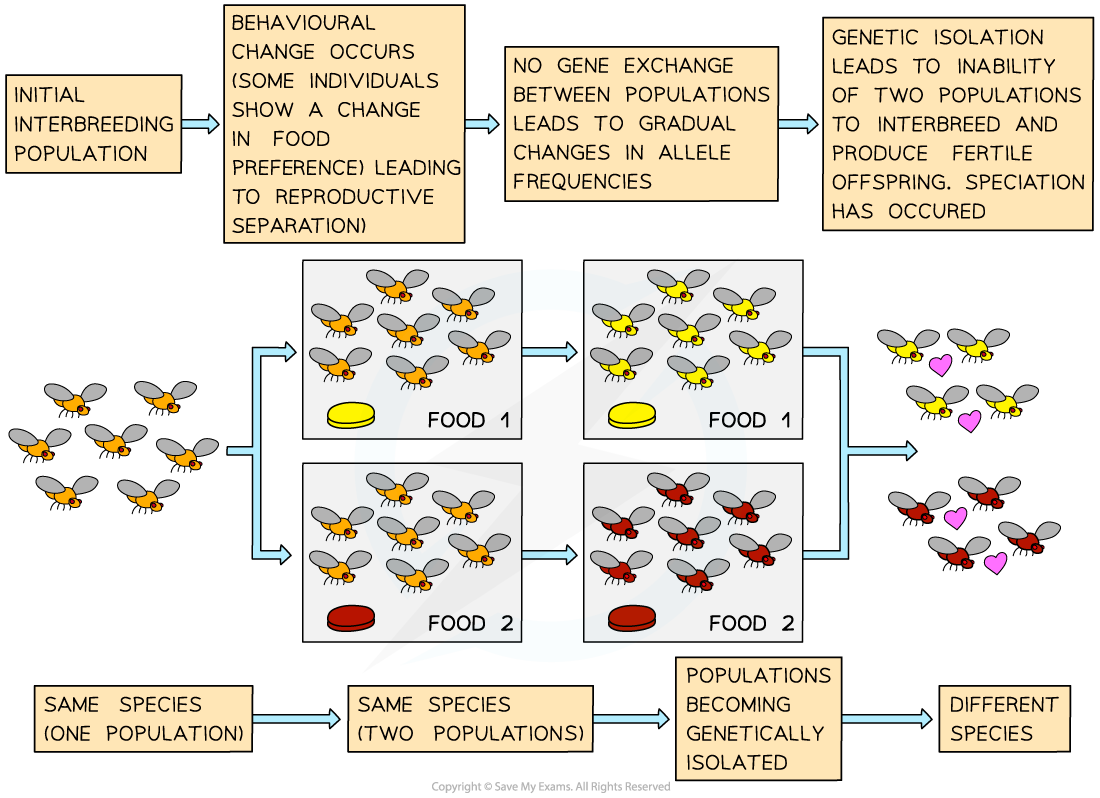
Reproductive Separation Reproductive separation In order for evolution to occur the new species population must be?genetically?and?reproductively separated?from the pre-existing species popu...
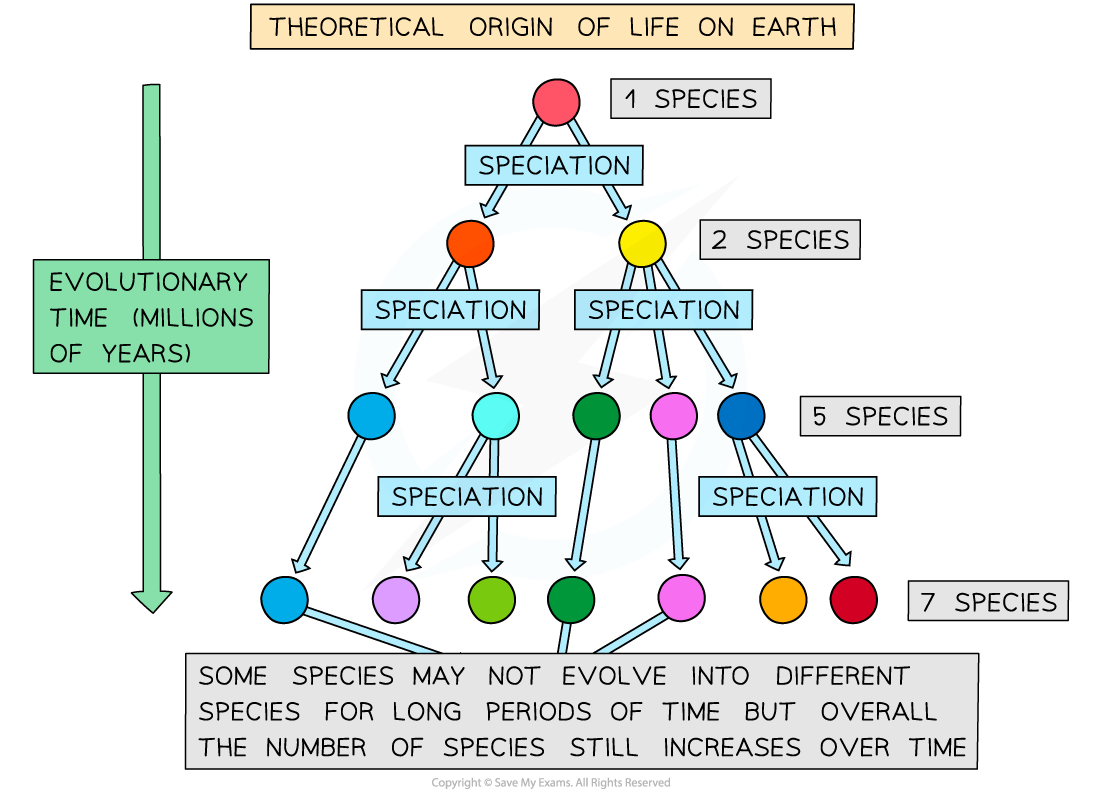
Evolution The?allele frequencies?(within the gene pool) of a population can?change?over time due to processes such as natural selection When the?allele frequencies?of a population change?suf...
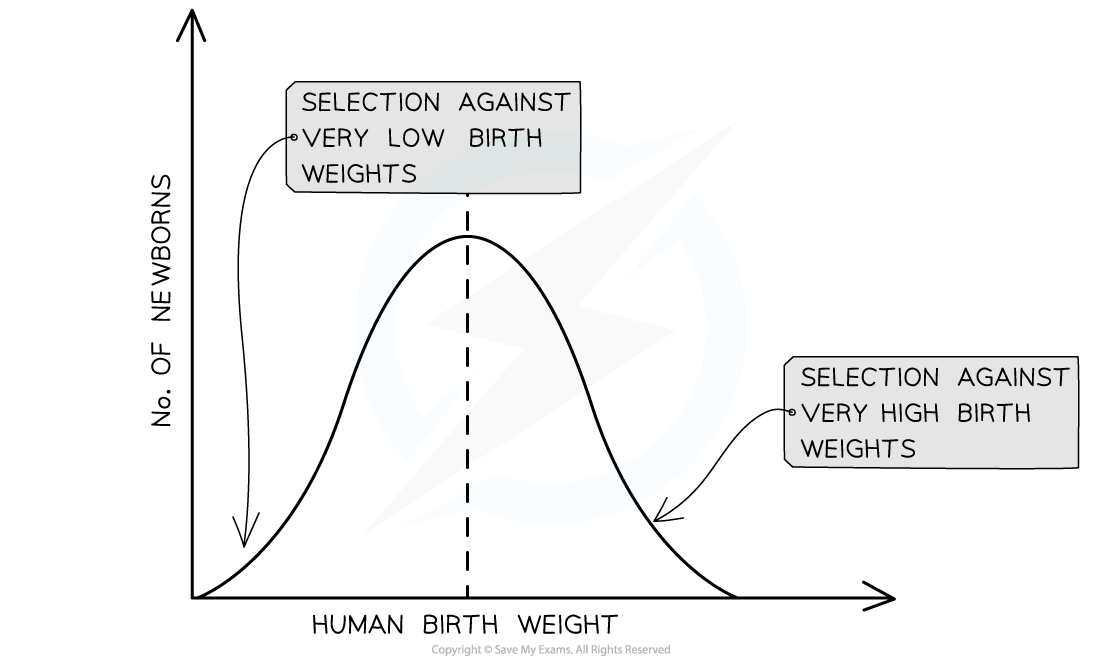
Types of Selection & Their Effects Environmental factors that affect the chance of survival of an organism are referred to as?selection pressures For example, there could be high levels ...

Selective Advantage Every individual within a species population has the?potential to reproduce?and have offspring In reality, however, there are many?environmental factors?that?prevent?ever...
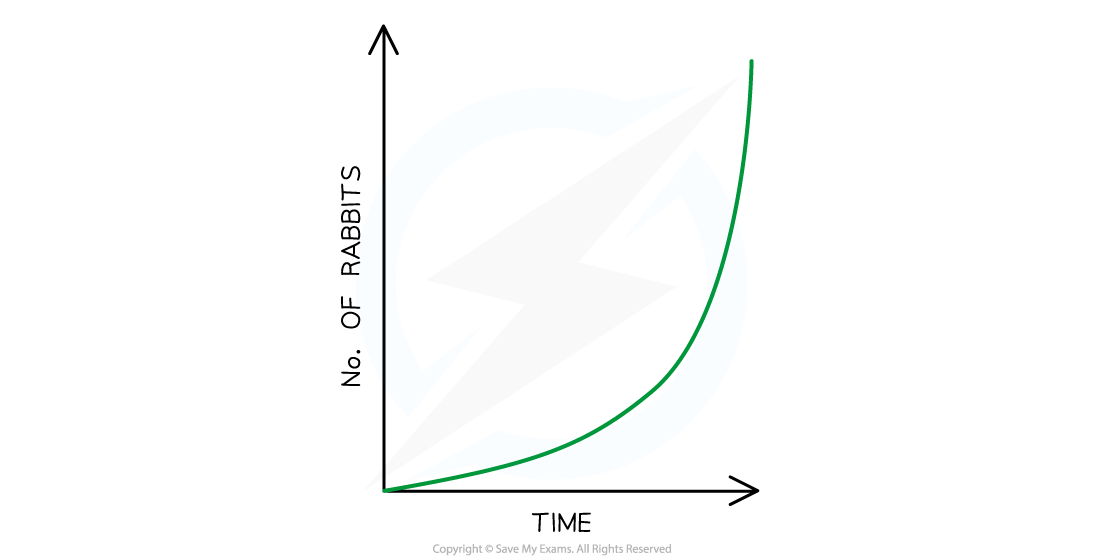
Natural Selection Every individual within a species population has the?potential to reproduce?and have offspring which contribute to population growth If all the offspring of every individua...

Natural Selection: Hardy-Weinberg Principle The Hardy-Weinberg principle states that if certain conditions are met then the?allele frequencies of a gene within a population will not change f...
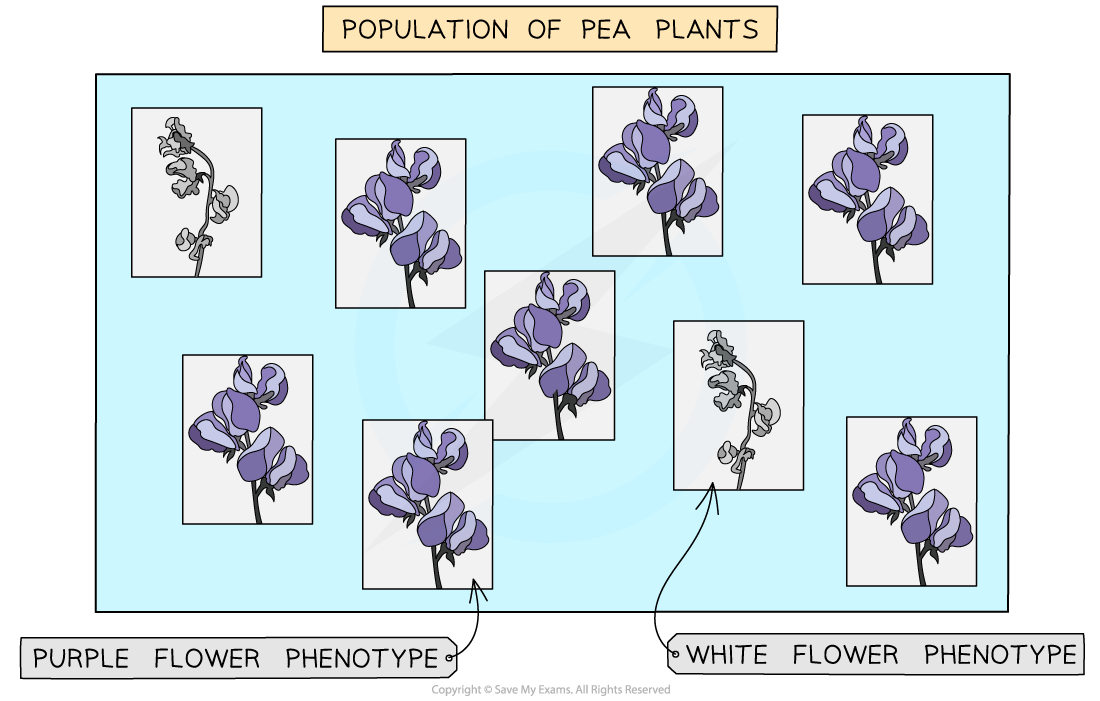
Gene Pools & Allele Frequency Gene pools The?phenotype?of an organism is dependent on its?genotype?and the environmental influence on the organism Members of the?same species?will have t...

Predicting Inheritance: Chi-squared Test The?difference between expected and observed results?in experiments can be statistically significant or insignificant (happened by chance) If the dif...





