CIE A Level Physics復習筆記3.1.7 Terminal Velocity
Terminal Velocity For a body in free fall, the only force acting is its weight and its acceleration?g?is only due to gravity. The drag force increases as the body accelerates This increase in veloc...
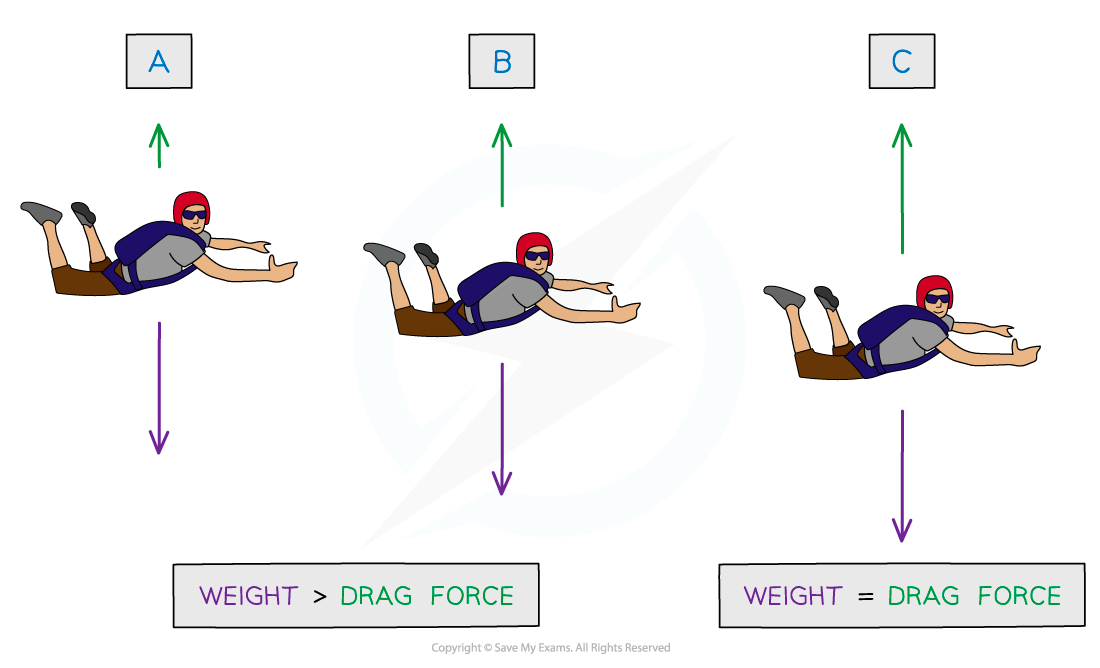
Terminal Velocity For a body in free fall, the only force acting is its weight and its acceleration?g?is only due to gravity. The drag force increases as the body accelerates This increase in veloc...
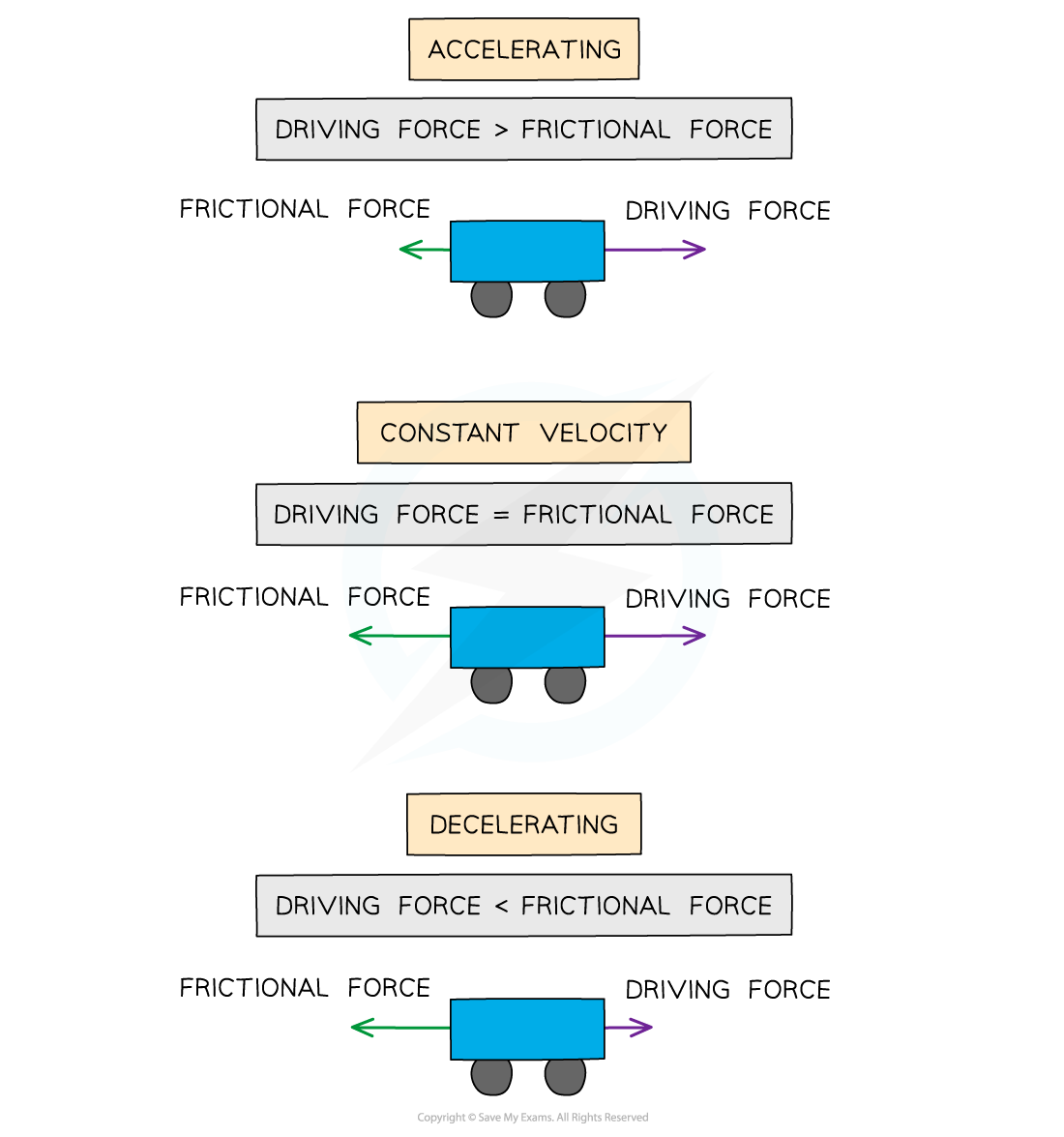
Drag Forces Drag forces are forces acting the?opposite?direction to an object moving through a fluid (either gas or liquid) Examples of drag forces are?friction?and?air resistance A key component o...

前幾天,2022年夏季A-level大考成績開始放榜。 但在今日,英國《衛報》(the Guardian)爆料——在英國,約有2.8萬名A-level學生還沒有收到任何大學錄取通知書,面臨無大學可上的窘境。 約2.8萬英國學生目前沒有off...

Force & Momentum Force is defined as the?rate of change of momentum?on a body ? Force is equal to the rate of change in momentum The change in momentum is defined as the final momentum minus th...

Linear Momentum Linear momentum (p) is defined as the product of mass and velocity Momentum is the product of mass and velocity Momentum is a vector quantity - it has both a magnitude and a directi...

Newton's Three Laws of Motion Newton’s First Law:?A body will remain at rest or move with constant velocity unless acted on by a resultant force Worked Example If there are no external forces actin...

Force & Acceleration As stated on the previous page, Newton's Second Law of Motion tells us that objects will accelerate if there is a resultant force acting upon them This acceleration will be...

What is Mass? Mass is the measure of the amount of matter in an object Consequently, this is the property of an object that resists change in motion The greater the mass of a body, the smaller the ...

Projectile Motion The trajectory of an object undergoing projectile motion consists of a?vertical?component and a?horizontal?component These need to be evaluated separately Some key terms to know, ...
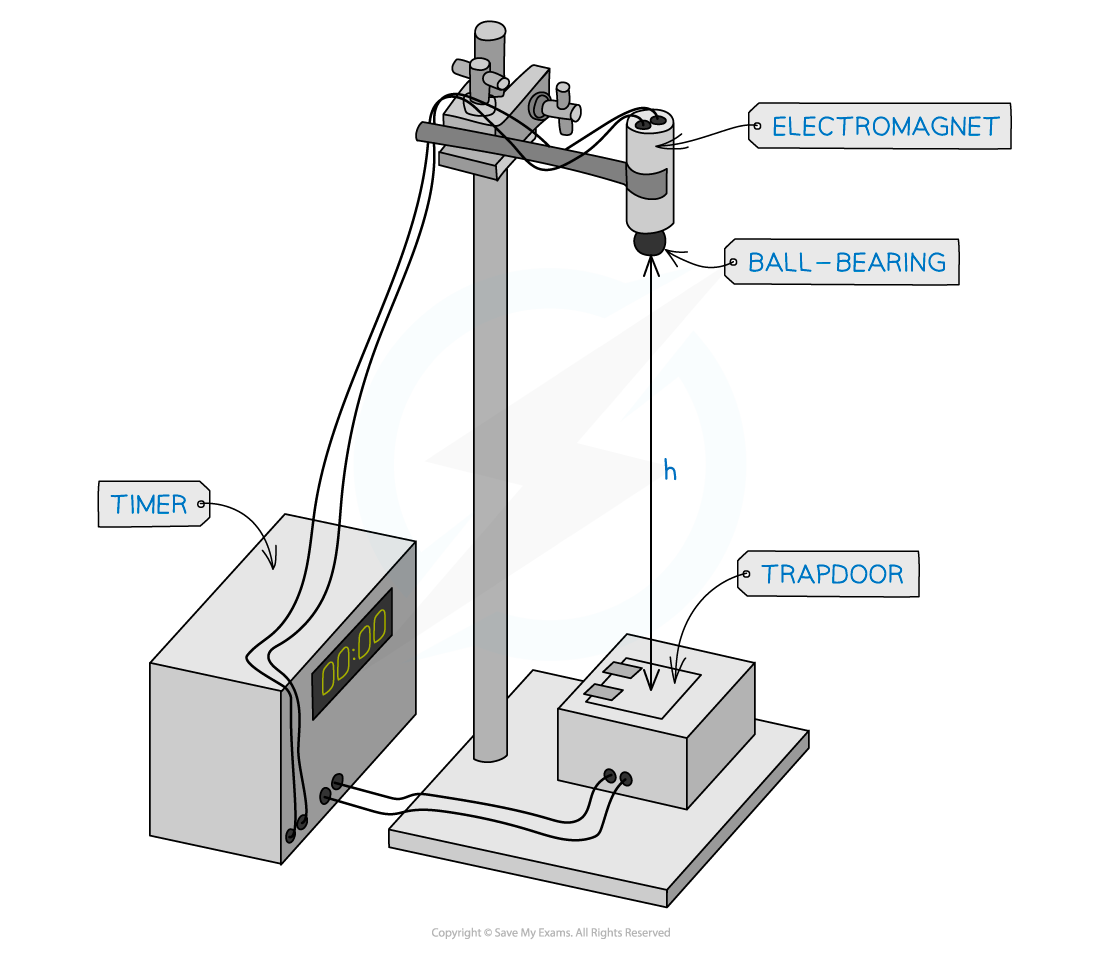
Acceleration of Free Fall Experiment A common experiment to determine acceleration of a falling object which can be carried out in the lab Apparatus Metre rule, ball bearing, electromagnet, electro...
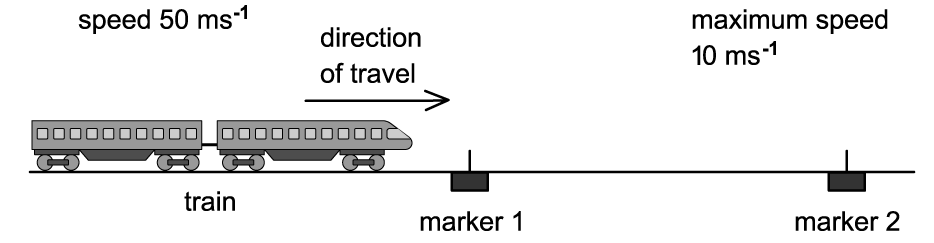
Solving Problems with Kinematic Equations Step 1:?Write out the variables that are given in the question, both known and unknown, and use the context of the question to deduce any quantities that a...
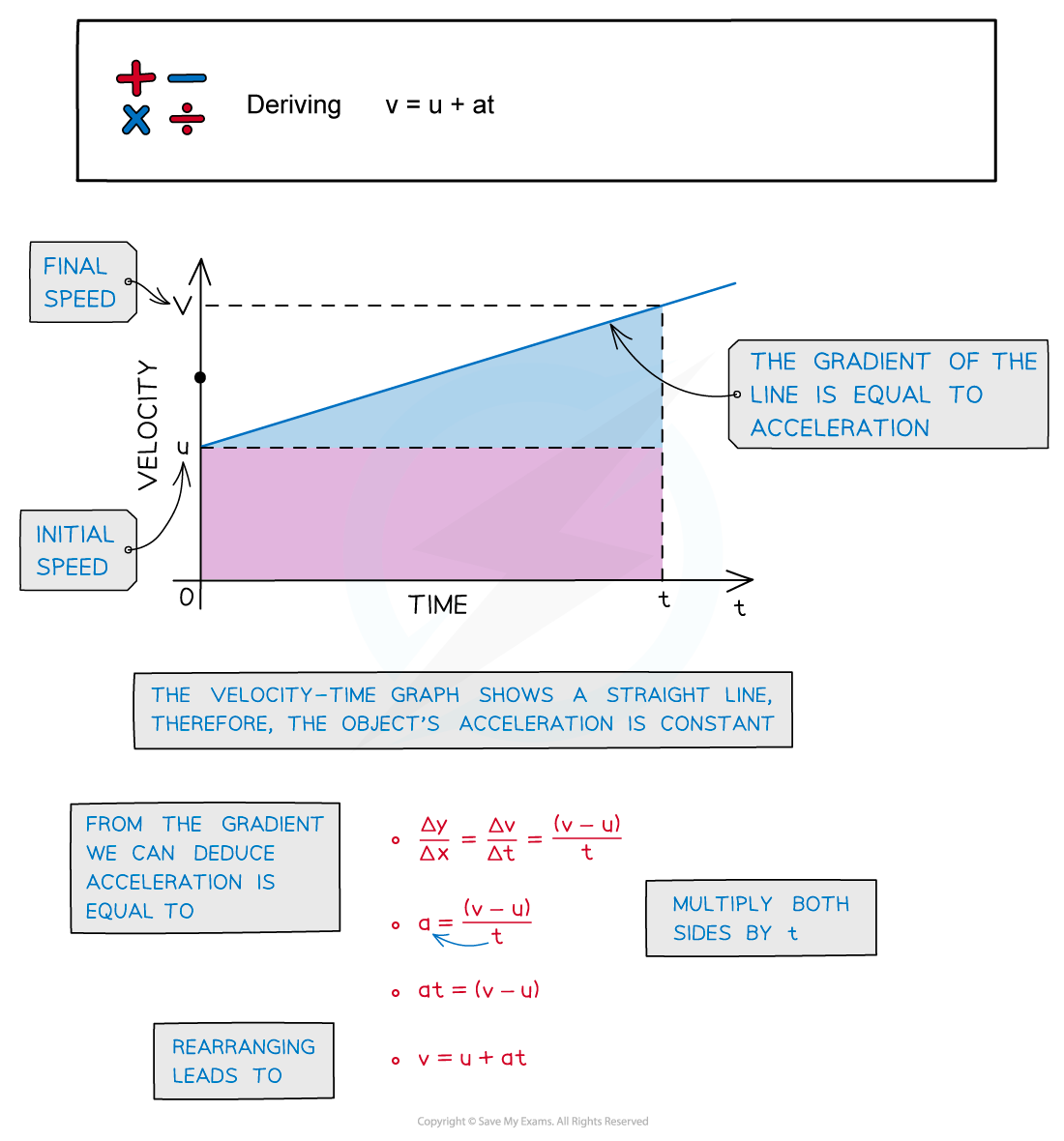
Deriving Kinematic Equations of Motion The kinematic equations of motion are a set of four equations which can describe any object moving with?constant?acceleration They relate the five variables: ...





