【A-Level 經濟】如何寫成一篇漂亮的Discuss 類Essay?

在經濟學paper2中,經常會遇到這類以discuss為引導詞的essay問題,遇到這類問題,我們可以——見招拆招

discuss包含正反兩面,一般是讓我們去discuss某一個概念或者一種方法所帶來的好處和壞處,這種其實是非常直接的,也相對簡單一點。
但今天要針對比較難的題目來進行說明,如下:
Discuss whether a rise in interest rate will cause the inflation rate to fall.
利率的上升是否會導致通貨膨脹率下降。
這道題考的是利率上升和通貨膨脹率下降的關系,一方面,利率的上升確實能夠導致通貨膨脹率下降,另一方面則是這種關系不一定存在。
正面解體思路:interest rate increase 如何導致inflation rate decrease;首先我們知道 rise interest rate 是deflationary monetarypolicy aiming to reduce aggregate demand; 再回顧到三大引起inflation的原因,我們就可以推出提高利率是旨在減少demand-pull inflation,如圖:
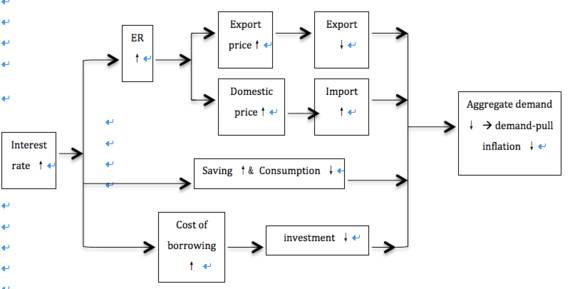
上圖詳細地展示了interest rate上升導致inflation rate下降的幾個路徑,那么我們該如何來寫反面呢?
首先我們來看第一個路徑,也就是interest rate 通過改變exchange rate來影響進出口這個路徑。
interest rate 上升導致exchange rate下降的前提是這個經濟體所采用的是floating exchange rate system,所以反面的第一個論點就出來了:whether the exchange rate system is floating。
即使在floating exchangerate system下,exchange rate上升,出口真的會下降嗎?進口真的會減少嗎?這里就需要考慮elasticity這個因素了,于是第二個論點也出來了: whether the demands for exports and imports are elastic or not.
分析完第二個路徑,我們來看第二個路徑,也就是inflation rate rise 通過改變private consumption 來減少aggregate demand 從而減少demand-pull inflation,這時候你就要拆掉private consumption decrease這一招;那什么時候利率上升private consumption不會減少呢,這個取決于consumer 對于prospective economy的confidence,所以第三個論點也出來了。
最后一個路徑是通過減少investment 來減少aggregate demand,同樣我們需要拆掉這一招:利率上升能不能影響investment的數量取決于business confidence,如果investor對于整個economy非常positive,他們可能會在高利率的情況下繼續投資;此外,如果目前的利率非常低,比如2%,那么利率提高20%,annual interest rate也才2.4%,影響就不會特別大。
所以第四個論點就是:consider business confidence and the current interest rate level. (注意:在這里的investment純粹指的是producers’ investment on capital goods)
那以上是整個見招拆招的過程,就是一步一步拆毀整個正面的邏輯,從而形成反面論點。

那我們現在來練習一下這種招式,下面是幾個比較典型的題目適合這個招式:
Q1: discuss whether a country’s current accountis expected to be worsening when there is a high inflation rate.
Q2: discuss whether expenditure switchingpolicies can improve a country’s current account situation.
大家試著練習一下吧!
以上就是關于【【A-Level 經濟】如何寫成一篇漂亮的Discuss 類Essay?】的解答,如需了解學校/賽事/課程動態,可至翰林教育官網獲取更多信息。
往期文章閱讀推薦:
CAIE A-Level分數線新鮮出爐!三大考試局查分攻略+出分急救指南速覽!
全網破防!ALevel CIE數學M1疑似錯題?經濟P2難度飆升?5月6日大考考情分析必看!


翰林AMC8視頻課重磅上線!

國際競賽真題資源免費領取






