托福轉(zhuǎn)雅思口語(yǔ)備考,如何用托福口語(yǔ)解決雅思口語(yǔ)part 3問(wèn)題?

托福口語(yǔ)和雅思口語(yǔ)哪個(gè)更難啊?這個(gè)問(wèn)題就好像你問(wèn)我:普林斯頓和耶魯哪一個(gè)更難申請(qǐng)啊?都很難,難到不分伯仲。 回到我們今天的主題,托福轉(zhuǎn)雅思口語(yǔ)備考,如何用托福口語(yǔ)材料解決雅思口語(yǔ)的part 3問(wèn)題。
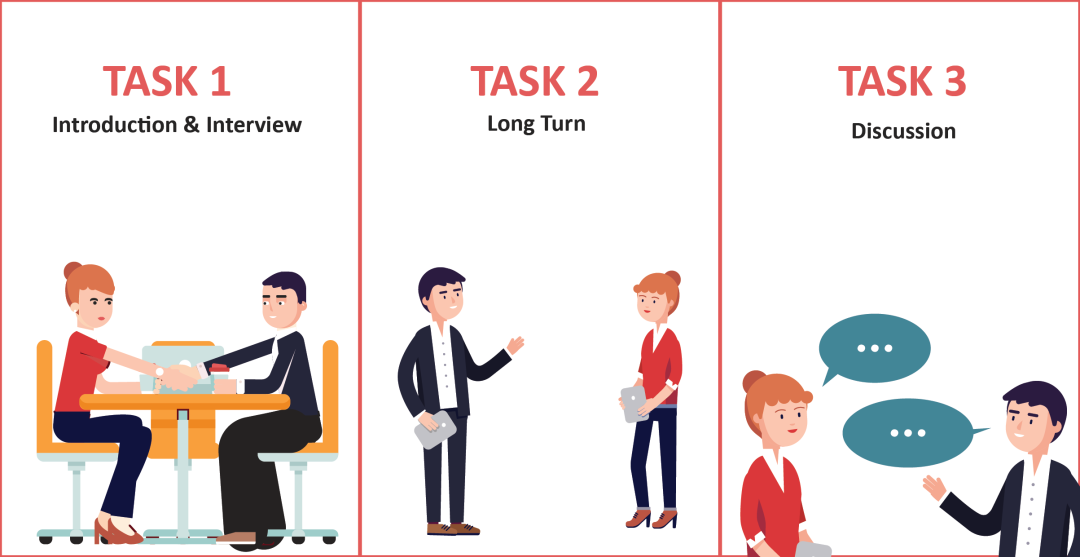
眾所周知,雅思口語(yǔ)趴三難度激增,模擬在英語(yǔ)語(yǔ)言環(huán)境下的discussion狀態(tài),所以,不僅僅是要求我們有能力來(lái)表達(dá)自己,更重要的是,在一定程度上得知道表達(dá)啥。
OK, without further ado.Let’s check out this question here.What’s the relationship between the toy industry and children’s films?
面對(duì)這樣一個(gè)讓人摸不著頭腦的問(wèn)題,大部分的同學(xué),尤其是現(xiàn)在高中生和初中生,確實(shí)很難思考到更深的維度。
所以,要想打開(kāi)格局,咱們得先看一個(gè)托福口語(yǔ)task 3的閱讀材料:
An effective, widely used marketing practice in the entertainment industry is entertainment merchandising. Entertainment merchandising is a form of marketing in which the brand or image from one product is also used to sell another. The practice of entertainment merchandising often occurs in connection with movies and television shows, especially those associated with children. For example, the success of a popular children’s television show may result in the marketing of toys that are designed to look like characters in the show or the situation may be reversed when a children’s television show is written to include characters that are based on already popular toys.
是不是已經(jīng)看暈了?問(wèn)題不大,無(wú)非就是單詞不認(rèn)識(shí)或者單詞都認(rèn)識(shí)但句子不理解。歸根到底,還是詞匯和語(yǔ)法的問(wèn)題。從這個(gè)小片段,大家就可以窺探出托福口語(yǔ)的難度了吧,不僅僅和說(shuō)相關(guān),閱讀能力也至關(guān)重要。
我們一起來(lái)翻譯一下:
An effective, widely used marketing practice in the entertainment industry is entertainment merchandising.
一個(gè)在娛樂(lè)業(yè)有效的,廣泛使用的營(yíng)銷(xiāo)實(shí)踐在娛樂(lè)業(yè)是娛樂(lè)商品化。
Entertainment merchandising is a form of marketing in which the brand or image from one product is also used to sell another.
娛樂(lè)商品化是一種營(yíng)銷(xiāo)方式,其中一種產(chǎn)品的品牌或形象也被用來(lái)銷(xiāo)售另一種商品。
The practice of entertainment merchandising often occurs in connection with movies and television shows, especially those associated with children.
娛樂(lè)商品化的做法經(jīng)常出現(xiàn)在與電影和電視節(jié)目特別是那些與兒童有關(guān)的。
For example, the success of a popular children’s television show may result in the marketing of toys that are designed to look like characters in the show or the situation may be reversed when a children’s television show is written to include characters that are based on already popular toys.
比如說(shuō)一個(gè)受歡迎的兒童電視節(jié)目的成功可能有的結(jié)果是,被設(shè)計(jì)成看起來(lái)像節(jié)目中人物形象的玩具的營(yíng)銷(xiāo)手段,或者情況會(huì)反過(guò)來(lái),當(dāng)一個(gè)電視節(jié)目被編寫(xiě)成,其中包含已經(jīng)受歡迎玩具的人物形象。
解釋到這兒,我相信,同學(xué)們肯定就能夠理解children’s films和the toy industry的關(guān)系了,我來(lái)給大家開(kāi)個(gè)頭,接下來(lái)你就可以用到剛才的閱讀啦。
So, by and large, children’s films and the toy industry are prone to mutually affect each other. It’s indicative of a typical phenomenon of entertainment merchandising.
那么,通常而言,兒童電影和玩具市場(chǎng)時(shí)相互影響的,這是娛樂(lè)商品化的一個(gè)典型例子。
掃碼獲取備考計(jì)劃,考前查缺補(bǔ)漏、重點(diǎn)沖刺
【免費(fèi)領(lǐng)取】最新口語(yǔ)題庫(kù),還有一對(duì)一學(xué)術(shù)活動(dòng)規(guī)劃!

以上就是關(guān)于【托福轉(zhuǎn)雅思口語(yǔ)備考,如何用托福口語(yǔ)解決雅思口語(yǔ)part 3問(wèn)題?】的解答,如需了解學(xué)校/賽事/課程動(dòng)態(tài),可至翰林教育官網(wǎng)獲取更多信息。
往期文章閱讀推薦:
國(guó)際生親身經(jīng)歷有償征稿!翰林學(xué)長(zhǎng)學(xué)姐說(shuō)招募開(kāi)啟!
九載同行!10位金牌導(dǎo)師同臺(tái)開(kāi)講!以卓越教學(xué)賦能?chē)?guó)際學(xué)術(shù)進(jìn)階!

翰林AMC8視頻課重磅上線(xiàn)!

國(guó)際競(jìng)賽真題資源免費(fèi)領(lǐng)取