【外刊雙語精讀】經(jīng)濟雪人-雇我的間諜(1)

Bartleby
The spy who hired me
When employer health programmes go too far
巴托比
雇我的間諜
當(dāng)雇主的健康計劃做過了頭
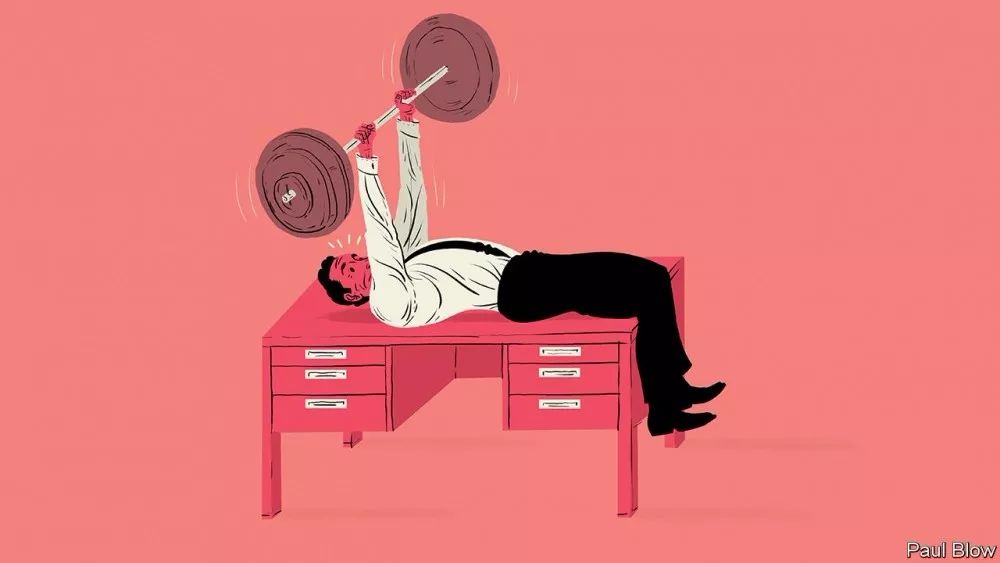
THE NEW YEAR is the moment when people vow to improve their fitness. They join gyms, swear off alcohol and adopt detox diets. These resolutions usually do not last beyond January.
新年是人們立誓提高身體素質(zhì)的時候。他們走進健身房,發(fā)誓戒酒,采用排毒養(yǎng)生食療。而這些決心一般堅持不到2月份。
swear off sth
if you swear off a particular habit or pleasure, such as cigarettes or alcohol, you decide to stop it because it is bad for you:
Froggy discovered religion, and swore off alcohol, sex, and even gambling.
Jay had sworn off love. "Too painful, darling."
detox
when you do not eat solid food or only drink special liquids for a period of time, which is thought to remove harmful substances from your body 解毒療法,清毒療法〔一段時間內(nèi)不吃固體食物或只喝特別的流質(zhì),據(jù)認為可以將體內(nèi)的有害物質(zhì)排出〕
But some employers try to help their workers stick to their goals by offering “wellness” programmes. One of the longest-running examples began in 1979 at Johnson & Johnson (J&J), an American health-care company. The plan promotes weight loss, smoking cessation and efforts to reduce blood pressure. The firm claims it reduced medical costs by $400 an employee per year, and resulted in fewer workers suffering from heart disease or high blood pressure.
但一些雇主推出了“健康”項目,試圖幫助員工堅持實現(xiàn)目標(biāo)。其中一個推行時間最久的項目是美國醫(yī)療保健公司強生于1979年啟動的。它提倡減肥、戒煙和降血壓。強生稱此舉每年為每位員工減少了400美元的醫(yī)療費,患心臟病或高血壓的員工也減少了。
wellness
the state of being healthy 【美】健康:
The college has established a wellness program for its students. 學(xué)院為本院學(xué)生制定了一套保健方案。
cessation /se'se??(?)n/ n. (暫時)停止,休止,中斷
Yet an examination of the data by Martin Cherniack of the University of Connecticut* found that in 2005-08, a sharp jump in alcohol use, depression and stress among J&J employees occurred. This coincided with a period when the firm had a target of lifting productivity by 9% a year. So the employees may have been leaner and fitter, but it is possible that workplace pressure to produce more meant greater stress.
不過,康涅狄格大學(xué)的馬丁·切尼克(Martin Cherniack)分析相關(guān)數(shù)據(jù)*后發(fā)現(xiàn),2005年至2008年,強生員工飲酒、抑郁和精神緊張的情形激增。而正是在這一時期,公司制定生產(chǎn)率年增幅9%的目標(biāo)。因此,員工們可能變得更精瘦、更健康了,但提高生產(chǎn)率的職場壓力也可能讓員工更加緊張。
lean /li?n/
(of a person or animal) thin, especially healthily so; having no superfluous fat(人, 動物)瘦的(尤指健康的表征); 無贅肉的:
his lean, muscular body.
他精瘦剛健的身體。
All this suggests that employee well-being is a rather more complex topic than can be tackled by a programme devoted to exercise and healthy living. A study by RAND Europe, a research institute, found that obvious bad habits such as smoking and high alcohol use were in fact not associated with lower productivity, while obese workers were no more likely to take time off than anyone else. The biggest productivity problems were associated with lack of sleep, financial concerns and mental-health issues—factors that may well be directly linked to work-related stress.
所有這些都表明,員工福祉是個相當(dāng)復(fù)雜的話題,不是一個注重鍛煉和健康生活方式的項目就能解決的。研究機構(gòu)蘭德歐洲(RAND Europe)的一項研究發(fā)現(xiàn),吸煙和酗酒等明顯的壞習(xí)慣實際上與工作效率低下并無關(guān)聯(lián),而肥胖的員工請假的可能性也并不比其他人高。影響工作效率的最大因素與睡眠不足、財務(wù)方面的擔(dān)憂和心理健康問題有關(guān),而這些因素很可能與工作壓力直接相關(guān)。
It seems reasonable for companies to expect some level of economic return on any wellness programme that they provide. But the trade-off should not be too blatant. Making employees fitter so you can work them a lot harder seems rather like drilling your infantry on an assault course before sending them to face the machine guns. A better impact on morale (and thus productivity) might occur if workers felt that their managers had a genuine interest in their welfare.
對企業(yè)來說,期望自己提供的任何健康計劃都能產(chǎn)生一定的經(jīng)濟回報似乎也合情合理。但這種交換的動機不該太過赤裸裸。如果讓員工更健康只是為了讓他們加倍辛勞地為自己工作,那這就像在野戰(zhàn)訓(xùn)練場操練步兵一番后,再派他們頂著機關(guān)槍的彈雨沖鋒陷陣。如果員工感覺到老板們是真誠地關(guān)心他們的福祉,那么他們的士氣(以及生產(chǎn)率)可能就會受到更正面的鼓舞。
以上就是關(guān)于【【外刊雙語精讀】經(jīng)濟雪人-雇我的間諜(1)】的解答,如需了解學(xué)校/賽事/課程動態(tài),可至翰林教育官網(wǎng)獲取更多信息。
往期文章閱讀推薦:
準(zhǔn)大一必看!如何利用暑假“搶跑”拿下高GPA?翰林預(yù)學(xué)班全攻略!


翰林AMC8視頻課重磅上線!

國際競賽真題資源免費領(lǐng)取






