你以為as well as只是“和”的意思嗎?

原文與參考譯文
在民間傳說中,城隍,是守護國家、城池之神,也是主管獎善懲惡、生死禍福等的司法神,通俗的說法就是陰間的地方官。廣州都城隍廟始建于1370年,距今已有640多年的歷史。廣州都城隍廟是明清時期廣州城內的標志性建筑,曾被評為清代“羊城八景”之一,盛極一時。
In the folklore, Town God is the guardian of country, protecting the city under his administration. At the meantime, he is the God of justice?in charge of rewarding good and punishing evil, deciding life &?death?and happiness & disasters. In other words, Town God is the regional governor, in the netherworld.Guangzhou Du Town God Temple was founded in 1370, with a history of over 640 years. It was a landmark?architecture of Guangzhou during Ming and Qing Dynasties, once flourished as one of the Eight Sceneries in Guangzhou.
廣州都城隍廟是道教場所,不僅宣揚中國傳統(tǒng)道教文化,也宣揚中國傳統(tǒng)道德規(guī)范,同時也寄托了大眾對正義的向往。在現代社會中,城隍文化將更加豐富,重拾城隍記憶,重視尊老、養(yǎng)老、互助的精神,以利于社會的和諧發(fā)展。
The temple is a ritual venue of Taoism. It distributes Chinese Taoist culture and advocates traditional moral norms. Not only that, it shows people’s desire and pursuit of justice.In modern society, the culture of Town God is further enriched and the memory of Town God comes back. It is about respecting the senior aged, providing for the aged and helping one another. All this is good for harmonious development of the society.
詳細解析及錯誤分析
1在民間傳說中,城隍,是守護國家、城池之神,也是主管獎善懲惡、生死禍福等的司法神,通俗的說法就是陰間的地方官。
In the folklore, Town God is the guardian of country, protecting the city under his administration. At the meantime, he is the God of justice?in charge of rewarding good and punishing evil and deciding life &?death?and happiness & disasters. In other words, Town God is the regional governor, in the netherworld.
解析:這句話乍眼一看好像很復雜,其實細細剖析結構很明確: 城隍就兩個身份,第一是守護國家的神,第二是司法神。(“主管……”可以用in charge of…)陰間的地方官這一句是對前面兩個身份的進一步說明。因此,參考譯文將這種層次處理為三個句子,十分清晰明了。在這里要注意以下不要漏譯,“獎善懲惡”就是獎勵那些做了好事的,懲罰那些做了壞事的,英文里面就有現成的表達“rewarding good and punishing evil”,至于“生死禍福”,要補充一下動詞就是“decide”,也是定奪人們的生和死,禍和福。
同學譯句01
1、 Town god, in the Chinese folk tales, is the god to safeguard the nations and charge the penalty. In a simple way, town god is the magistrate of the underworld. (Kinsley)
分析:charge the penalty收取罰款??這里實在是看不懂。該同學的譯文實在是漏譯了太多內容了,漏譯在考試里面扣分是很嚴重的,希望同學們能夠引以為戒,不要隨便省略掉原文的內容。
2、?In folklore, Chenghuang temple is the god of guarding city and country as well as the judicial god in charge of rewarding?the good and punishing?the evil, the fate of life and death, etc. That's the local official of the underworld.(Nico)
分析:注意一下,城隍廟和城隍是不一樣的,不要想所以然,城隍是一種神,城隍廟就是人們修建的供奉這個神的廟宇。城隍廟本身是不會守護城池的,城隍這個神才會守護。city和country并不是并列的關系,所以處理為guarding city and country并不好。
這里我們可以理解為一個國家是由很多個城池構成,所以像參考譯文那么處理就很妥當,因為城隍首先是the guardian of country,所以他才會進一步去protecting the city。這個同學把兩個身份用as well as連接,其實并不夠妥當。
因為as well as常用來連接兩個并列的成分,作“也,還”解,它強調的是前一項,后一項只是順便提及,如Your wife as well as you is friendly to me.除了你,你的妻子也對我很友好,這句話里面就強調是你的妻子。所以,大家對于這個as well as切勿濫用,因為原文的守護神和司法神就是并列關系,并沒有強調誰,你用and還更為恰當。
2廣州都城隍廟始建于1370年,距今已有640多年的歷史。廣州都城隍廟是明清時期廣州城內的標志性建筑,曾被評為清代“羊城八景”之一,盛極一時。
Guangzhou Du Town God Temple was founded in 1370, with a history of over 640 years. It was a landmark?architecture of Guangzhou during Ming and Qing Dynasties, once flourished as one of the Eight Sceneries in Guangzhou.
解析:原文中的“盛極一時”其實就是描述城隍廟作為標志性建筑,被評為八景之一這件事,是城隍廟有史以來的一件很鼎盛的事情。參考譯文將其處理為flourished as(繁榮發(fā)展)十分恰當貼切。
我們可以都看看一些例句來體會一下flourish的用法:(1)Since then it has flourished as a port and a center of demand-led, free-market economics.
自此之后,該地經濟蓬勃發(fā)展,不但成為港口,而且是一個由需求帶動的自由市場經濟中心。
(2)It flourished as a trade center from the 4th-century b. c. until its capture by the Romans in a. d. 106.
從公元前4世紀直到公元106年被羅馬人占領,它一直是一個繁華的貿易中心。
同學譯句02
1、?Guangzhou Chenghuang Temple has been over 640 years since built in 1370. It was the landmark building in Guangzhou in Ming and Qing Dynasty, which was known as one of “the eight scenes in Ram City”, in fashion for a period.?(Sky)
分析:該同學語法不過關,第一句很明顯就是錯誤的,這種低級錯誤在考試里面也是非常致命的,應該改為: It has been 640 years since Guangzhou Chenghuang Temple?was founded in 1370. 此外,dynasty 沒有加復數。Which was known as也讓人一頭霧水,這個which到底是指什么?建議改為Known as one of the…, it was the landmark…。
此外,in fashion也不對,in fashion是指流行,和“盛極一時”差得遠了。這樣的譯文硬傷太多,實在難以打上一個及格的分數。
2、?Guangzhou Chenghuang Temple was founded in 1370, about 640 years ago. Awarded with one of “The Eight Views of Ram City” in Qing dynasty, the temple was the landmark of Guangzhou city in the period of Ming and?Qing dynasty.?(A.D.1368-1912).?(Cassie)
分析:原文“距今已有640多年的歷史”的潛臺詞其實就是,城隍廟歷史悠久,該同學處理為“Guangzhou Chenghuang Temple was founded in 1370, about 640 years ago”則把這一內涵翻譯得蕩然無存。in the period of Ming and Qing dynasty簡化為in Ming and Qing Dynasties就行了。
3廣州都城隍廟是,不僅宣揚中國傳統(tǒng)道教文化,也宣揚中國傳統(tǒng)道德規(guī)范,同時也寄托了大眾對正義的向往。The temple is a ritual venue of Taoism. It advocates Chinese Taoist culture and traditional moral norms. Not only that, it shows people’s desire and pursuit of justice.
同學譯句03
1、 Guangzhou City God is the place of Taoism, where people put their hanker for justice, not only preaching Chinese traditional Taoism culture, but also the Chinese traditional moral.?(Alison)解析:該同學的句法意識還不錯,可惜的是,put one’s hanker沒有這么用的,查查語料庫,沒有人這么用過。

因此,前面一句建議改為:Guangzhou Town?God Temple, a?place of Taoism, is the embodiment of people’s?hankers?for justice.
4在現代社會中,城隍文化將更加豐富,重拾城隍記憶,重視尊老、養(yǎng)老、互助的精神,以利于社會的和諧發(fā)展。
In modern?society, the culture of Town God is further enriched and the memory of Town God comes back. It is about the spirits?of respecting the senor aged, providing for?the?aged?and helping one another. All this is good for harmonious development of the society.
分析:“在現代社會中,城隍文化將更加豐富”意思是在現代社會城隍文化將會被賦予更多新的內涵,即“重視尊老、養(yǎng)老、互助的精神”。所以參考譯文用了“It is about”。這一段原文看似支離破碎,其實內涵、條理十分清晰:在現代社會,我們在城隍文化中加入重視尊老、養(yǎng)老、互助的精神,這件事是有利于社會的和諧發(fā)展的。
大家在中譯英的時候,大不必被原文的形式嚇倒,有時候中文里面就有很多支離破碎的語言,再加上各種成語,就顯得很難的樣子。我們要透過形式,看透這句話最本質的內涵和邏輯關系,用最簡潔的英語翻譯出來。
被動句篇
前言被動句的廣泛使用是英語不同于漢語的一個特點。漢語中雖然也有被動句,但使用范圍較窄,許多被動意義的句子是用無主語的形式來表達的。英語被動句的譯 法比較靈活,本次練習以十個句子為例,希望拋磚引玉,對同學們的翻譯有所啟發(fā):
原題1. The Senate appropriation subcommittee had no knowledge on this and had not been consulted on those reported plans.
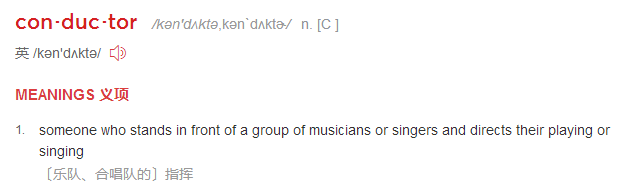
2. The conductor appeared on the stage and was warmly applauded by the audience.
3. Arafat was bitterly criticized within the Palestine ranks for trusting US guarantees that civilian left in the camps would not be harmed.
4. The economies of Iran and Iraq were greatly undermined by the protracted hostilities and losses in manpower and material values.
5. US concern for the affairs in Central America was demonstrated by the presence of the battleship Iowa off the coast of Honduras.
6. The pigs have been fed.
7. It is believed to be natural that more and more engineers have come to prefer synthetic material to natural material.
8. The Statue of Liberty was presented to the United States of America in the nineteenth century by the people of France.
9. Wrongs must be righted when they are discovered.
10.?He said he was assured by the State Department that the U.S. is willing to normalize relations with his country.
1The Senate appropriation subcommittee had no knowledge on this and had not been consulted on those reported plans.
參議院撥款小組委員會對此一無所知,也沒有人就傳聞 中的計劃與該小組委員會進行過磋商。
解析:英語被動句的使用要比漢語廣泛得多,因此,大量的英語被動句都可譯為漢語的主動句,這句話就是典型的被動句轉化為漢語的主動句。?2The conductor appeared on the stage and was warmly applauded by the audience.樂團指揮 出現在舞臺,聽眾報以熱烈的掌聲。
同學譯句01
指揮員出現在舞臺上,受到了觀眾的熱烈鼓掌。(Joyce)點評:這位同學就沒有適時將被動句式轉化為主動句式,從而導致翻譯出來的東西翻譯腔極其濃烈。“受到了觀眾的熱烈鼓掌”恐怕不像是一句“人話”。注意,conductor在這里是樂團的指揮,而不是某些同學翻譯的所謂“領導”,這些同學翻譯成“領導”,簡直是令人啼笑皆非,也暴露了這些同學不勤于查詞、求證。
3Arafat was bitterly criticized within the Palestine ranks for trusting US guarantees that civilian left in the camps would not be harmed.
阿拉法特在巴勒斯坦武裝內部受到嚴厲批 評,因為他輕信了美國關于留在難民營中的平民不會遭到傷害的保證。解析:在英語中,被動結構常用來表述一個動作。這時,句中的受動者或by詞組表 明的施動者(如果有的話)均降到了次要地位。在翻譯這類被動句時,可以用 “被 ”、“受 ”、“遭到 ”、“為 … …所 ” 等詞語來表達,使譯文突出原文的被動動作。
4The economies of Iran and Iraq were greatly undermined by the protracted hostilities and losses in manpower and material values.
伊朗和伊拉克的經濟由于長期的戰(zhàn)爭以及人力物資的損失而遭到巨大的破壞。解析:這句話如果死譯為“經濟被戰(zhàn)爭及人力物資的損失破壞了”則顯然有些拗口,我們大可靈活處理,把by處理為“因為,由于”,就像參考譯文一樣。當然,有些同學干脆處理為主動句,也是可以的。
5US concern for the affairs in Central America was demonstrated by the presence of the battleship Iowa off the coast of Honduras.衣阿華號戰(zhàn)列艦在洪都拉斯沿海出現,表明了美國對中美洲事務的關注。解析:這句話里面也有by,和第四句話類似,但是這里我們可以靈活處理,不必像上一句那樣處理為“因為,由于”。
同學譯句02
在洪都拉斯海岸的愛荷華州出現的戰(zhàn)艦引起了美國對于中美洲事件的關注。(何同學)點評:該同學理解錯了demonstrate的意思了,demonstrate的意思我們通過查字典,得知是?to show or prove something clearly,所以這個something是本來就存在的,而demonstrate則是將這個something清晰地證明或者證明給別人看。所以,美國對中美洲事務本來就是比較關注的,而現在戰(zhàn)艦的出現,則是進一步證明、表明了這一點。
6The pigs have been fed.豬已經喂完了。
解析:有些同學會翻譯成“豬已經被喂完了”,其實中文里面,很多時候,不用“被”字,被動的意義也還是在的,比如我們經常說“小說已經出版了”“燈已經關了”,而不是“小說已經被出版了”“燈已經被關了”,后者顯得十分呆板。有時候同學們被英文原文束縛了,中文的那種呆板表達一下子就出來,大家一定要注意一下。
7It is believed to be natural that more and more engineers have come to prefer synthetic material to natural material.
愈來愈多的工程人員寧愿用合成材料而不用天然材料,人們相信這是很自然一件事。解析:漢譯時,我們可以增加適當的施事,即原英語被動句中沒有施事, 譯成漢語主動句時, 可以從邏輯出發(fā), 適當增添不確定的施事, 如“人們、有人、大家、我們”。通常狀況下,某些要求復合賓語的動詞(如 believe, consider,?find, know, see, think)用于被動語態(tài)時, 翻譯時經常可加上不確定的施事;由 it 作形式主語的英語被動句式,漢譯時也可加不確定的施事。這句話同學們基本都能夠翻譯對,問題不大。
8The Statue of Liberty was presented to the United States of America in the nineteenth century by the people of France.自由神雕像是法國人民在十九世紀送給美國的。解析:漢語中常用“ ……是 ……的 ”這一句式來說明人和事物的客觀情況。這種結構在語義上往往具有被動的含義。可以與英語中的被動結構相溝通。一般說來 , 英語中用來說明客觀情況的被動句都可譯為漢語的這一句式。
同學譯句03
1、自由女神像于19世紀由法國人送去美利堅合眾國。(Kris)
2、19世紀,法國人將自由女神像贈送給美國。(Alison)
點評:這兩個同學的譯文都不能說錯,但又不能說完全對,因為仔細讀讀原文,主題其實還是在討論一個關于“自由女神像”的客觀事實,所以對比各種版本的譯文,仍以參考譯文的譯法為佳。9Wrongs must be righted when they are discovered.發(fā)現了錯誤一定要改正。
解析:這句話是典型的將被動句譯為漢語的無主句。漢語的句子可以不帶主語,因 此無須說出行為主體時可以將英語的被動句譯為漢語的無主句。一般來說英語中不帶由by引導的短語并含有情態(tài)動詞的被動句都可采用這種譯法。10He said he was assured by the State Department that the U.S. is willing to normalize relations with his country.他說,國務院向他擔保美國愿意同他的國家恢復正常關系。這句話也是典型將被動句譯為主動句。
同學譯句04
1、他表示,國家部門向他保證美國愿意正常化與他們國家的關系。(Jadyn)
點評:這位同學就有點翻譯腔了,因為“正常化”在中文里面很少直接作動詞,一般都是作名詞,比如“中美邦交的正常化”。2、美國國務院向他保證,美國很樂意使兩國關系正常化。(Cassie)
點評:這位同學就操之過急了,“兩國”其中一國是我們知道是美國,所以另一國是哪國?這個譯文讓人看了一頭霧水。直接直譯為他的國家不就行了?
今天的講解就到此結束啦,你學會了嗎?
來自英專聲
以上就是關于【你以為as well as只是“和”的意思嗎?】的解答,如需了解學校/賽事/課程動態(tài),可至翰林教育官網獲取更多信息。
往期文章閱讀推薦:
劍橋/布朗/紐約大學都認可!你的高考成績可以同時叩開英美名校的大門!
UCL新增TARA入學筆試!這些專業(yè)考生必考!從0到1保姆級備考攻略來了!


翰林AMC8視頻課重磅上線!

國際競賽真題資源免費領取






