Edexcel IGCSE Biology: Double Science 復(fù)習(xí)筆記 2.2.2 Specialised Cells

Edexcel IGCSE Biology: Double Science 復(fù)習(xí)筆記 2.2.2 Specialised Cells
Cell Differentiation & Specialised Cells
- The?structural differences?between different types of cells enables them to perform?specific functions?within the organism
- Cell differentiation is an important process by which a cell changes to become?specialised
- As an organism develops, cells differentiate to form?different types of cells
- Almost all of the cells in a multicellular organism will contain the?same genetic information?(the same genes or alleles), but depending on what role a particular cell needs to have, only some of the genes in a particular cell are used/expressed to control its development
- When a cell differentiates, it?develops a structure and composition of subcellular structures?which enables it to carry out a certain function
- For example, to form a nerve cell the cytoplasm and cell membrane of an undifferentiated cell must elongate to form connections over large distances
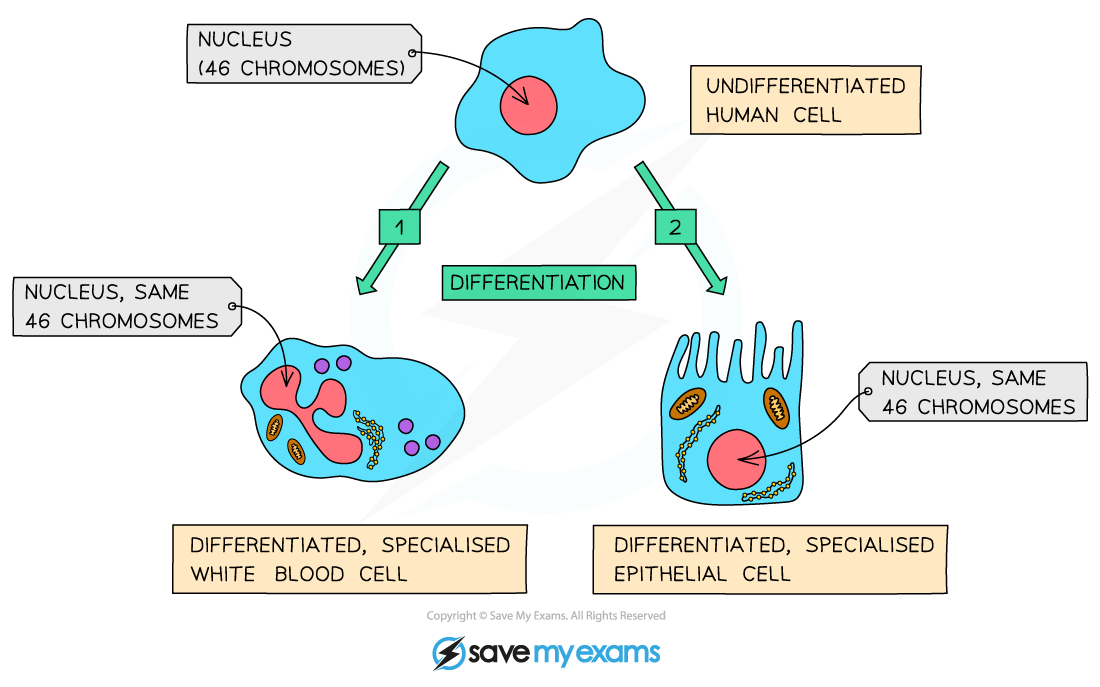
Diagram showing the possible differentiation of a human cell into two different cell types
Differentiation and development
- As a multicellular organism develops, its cells differentiate to form specialised cells
- In an animal, most cells differentiate at an?early stage?of development
- As a result, animal cells lose their ability to differentiate? early in the life of the organism
- Specific cells in various locations throughout the body of an animal?retain the ability?to differentiate throughout the life of the animal
- These undifferentiated cells are called?adult stem cells?and they are mainly involved in?replacing and repairing cells?(such as blood or skin cells)
- Plants differ from animals in that many types of plant cells retain the?ability to fully differentiate?throughout the life of a plant, not just in the early stages of development
Specialised cells in animals and plants
- Specialised cells are those which have?developed certain characteristics?in order to?perform particular functions. These differences are controlled by genes in the nucleus
- Cells specialise by undergoing?differentiation: this is a process by which cells develop the structure and characteristics needed to be able to carry out their functions
- Some examples of specialised animal and plant cells are shown in the table and images below
Examples of Specialised Cells in Animals Table
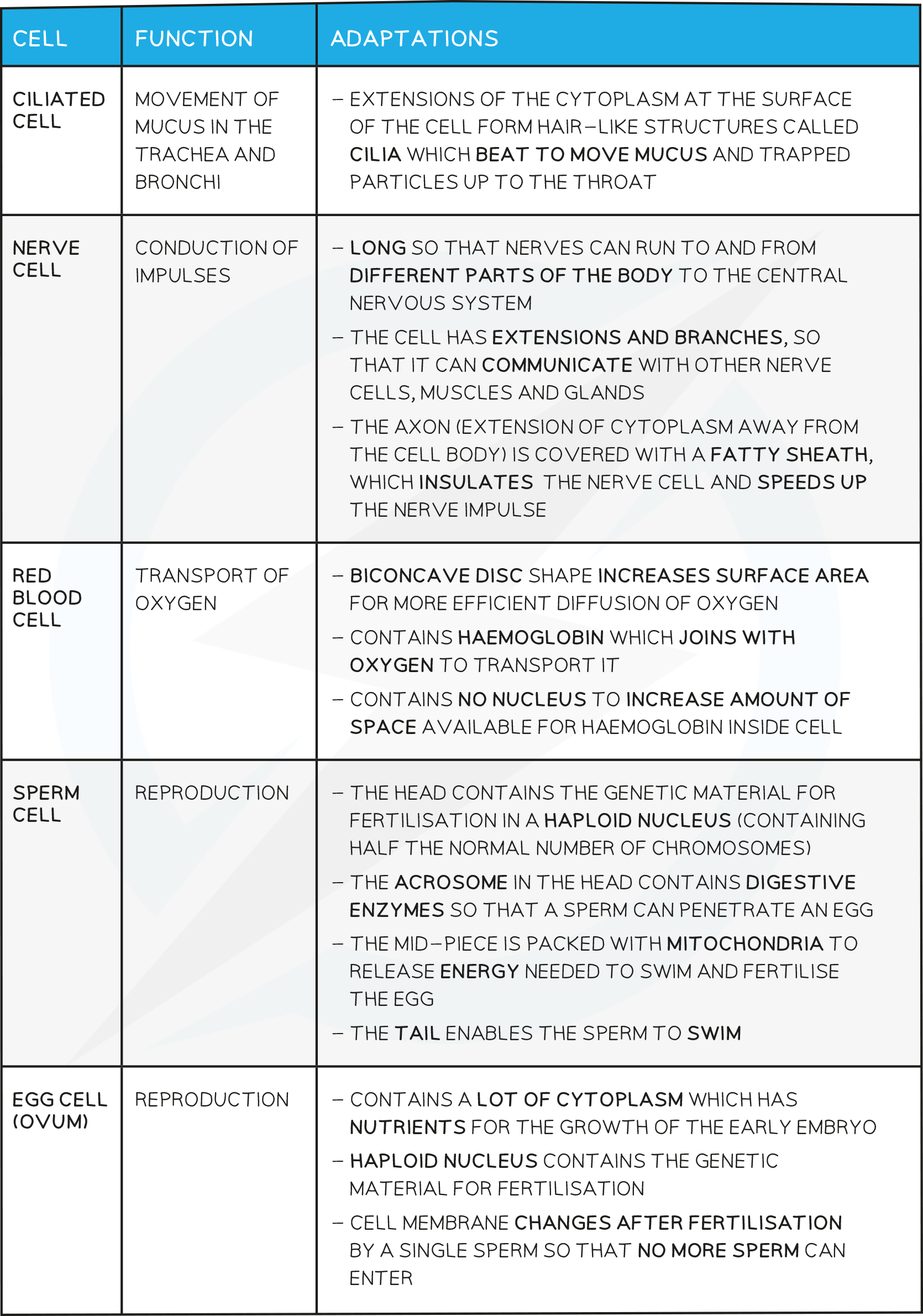
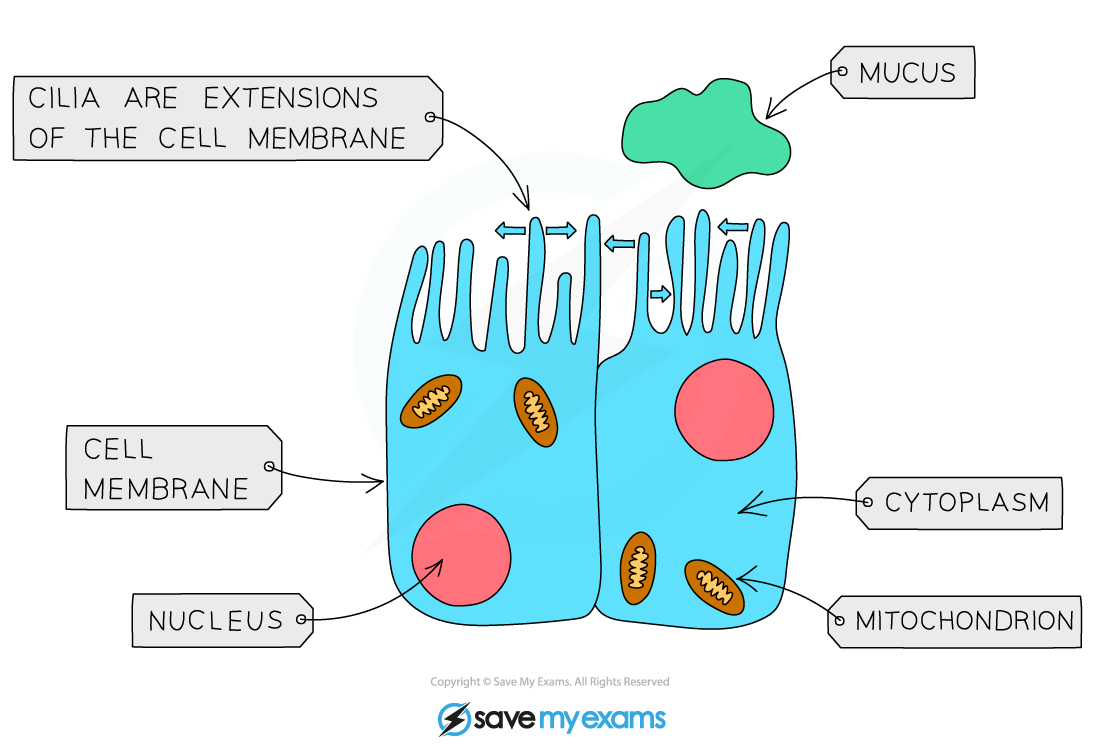
Ciliated epithelial cells
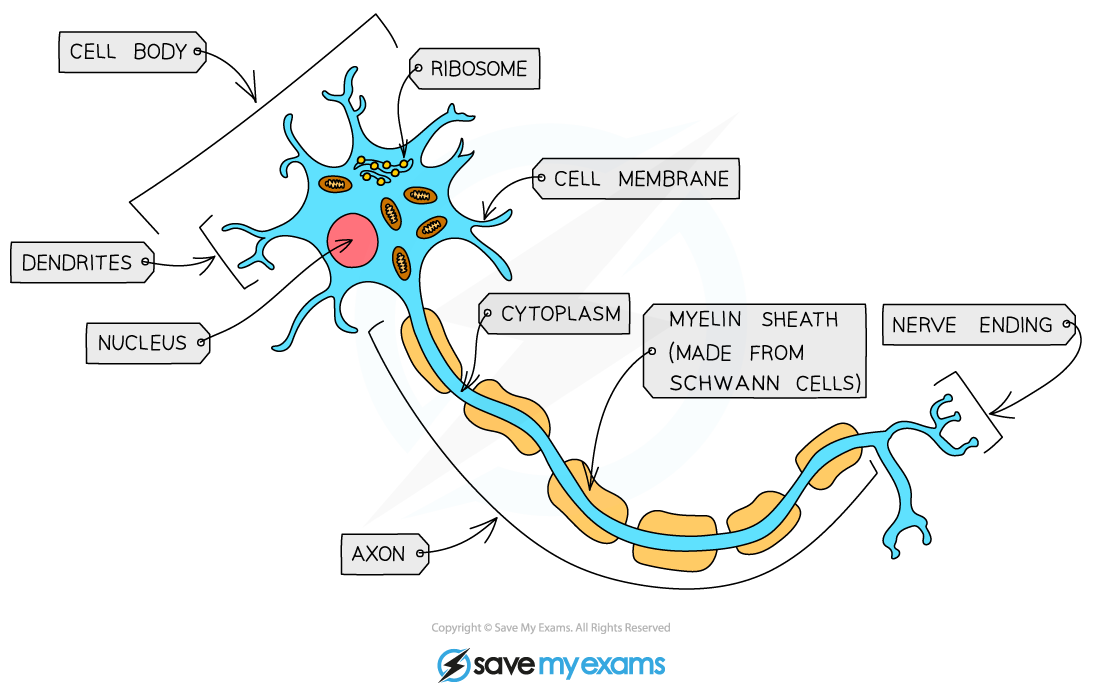
A nerve cell
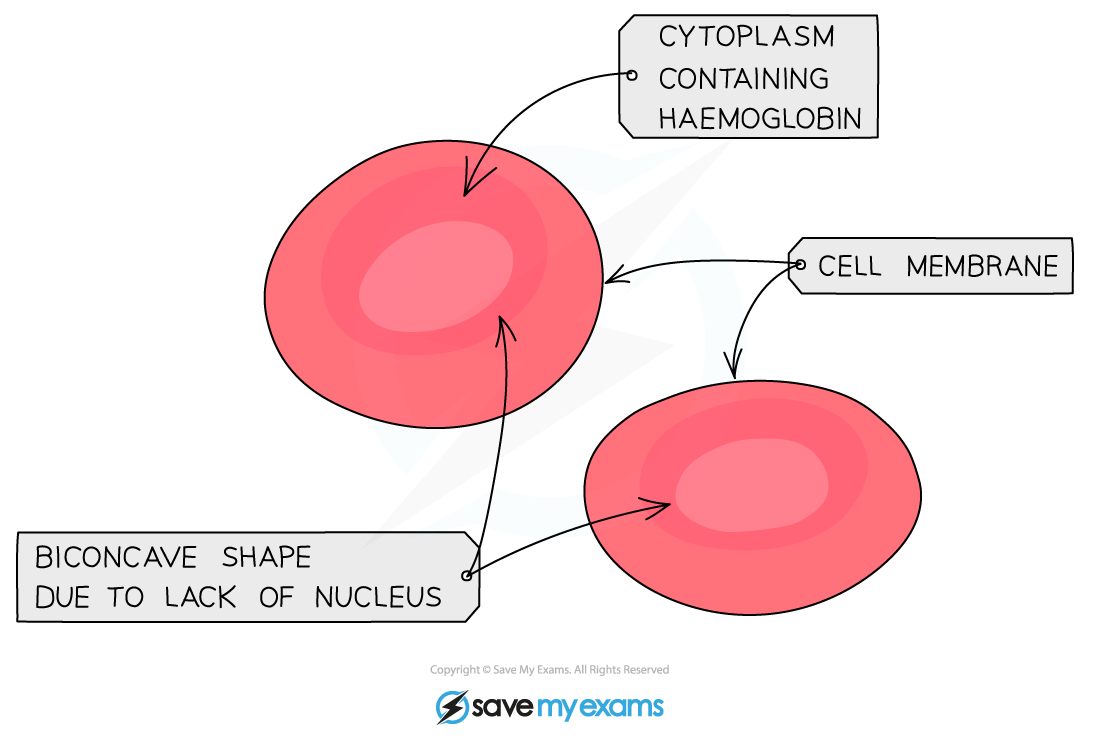
Red blood cells
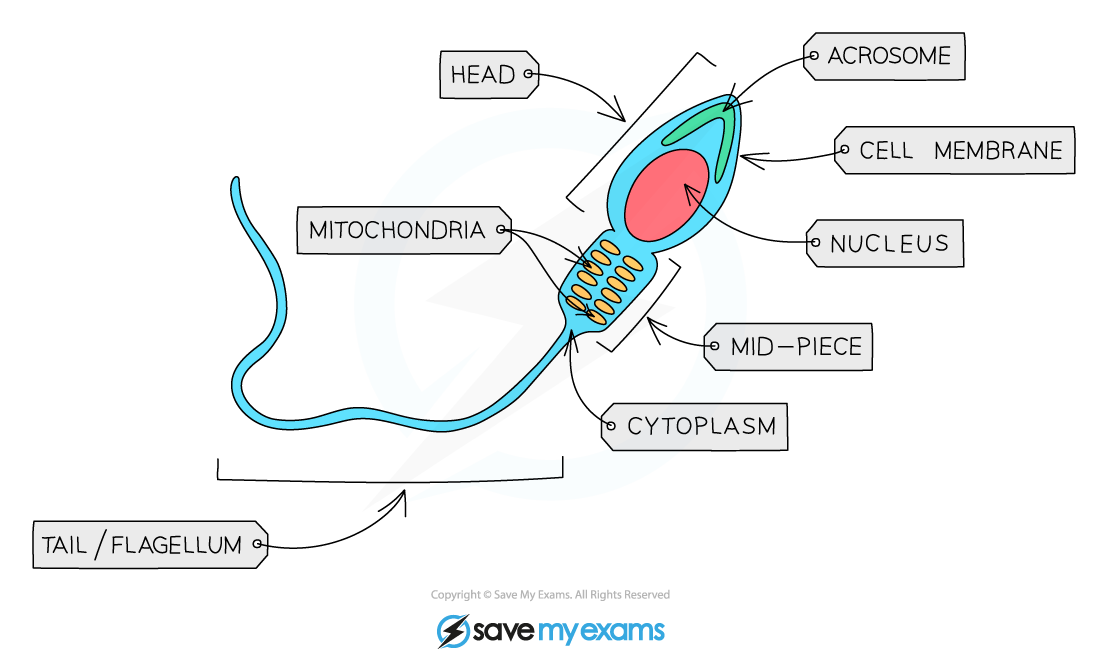
Sperm cell
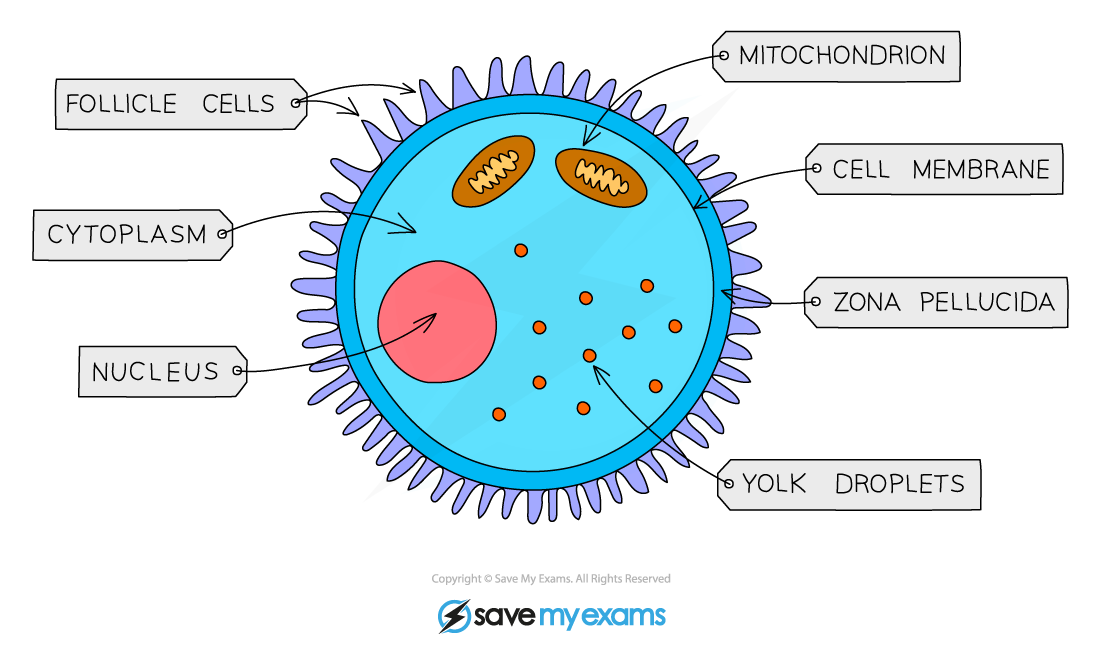
Egg cell
Examples of Specialised Cells in Plants Table
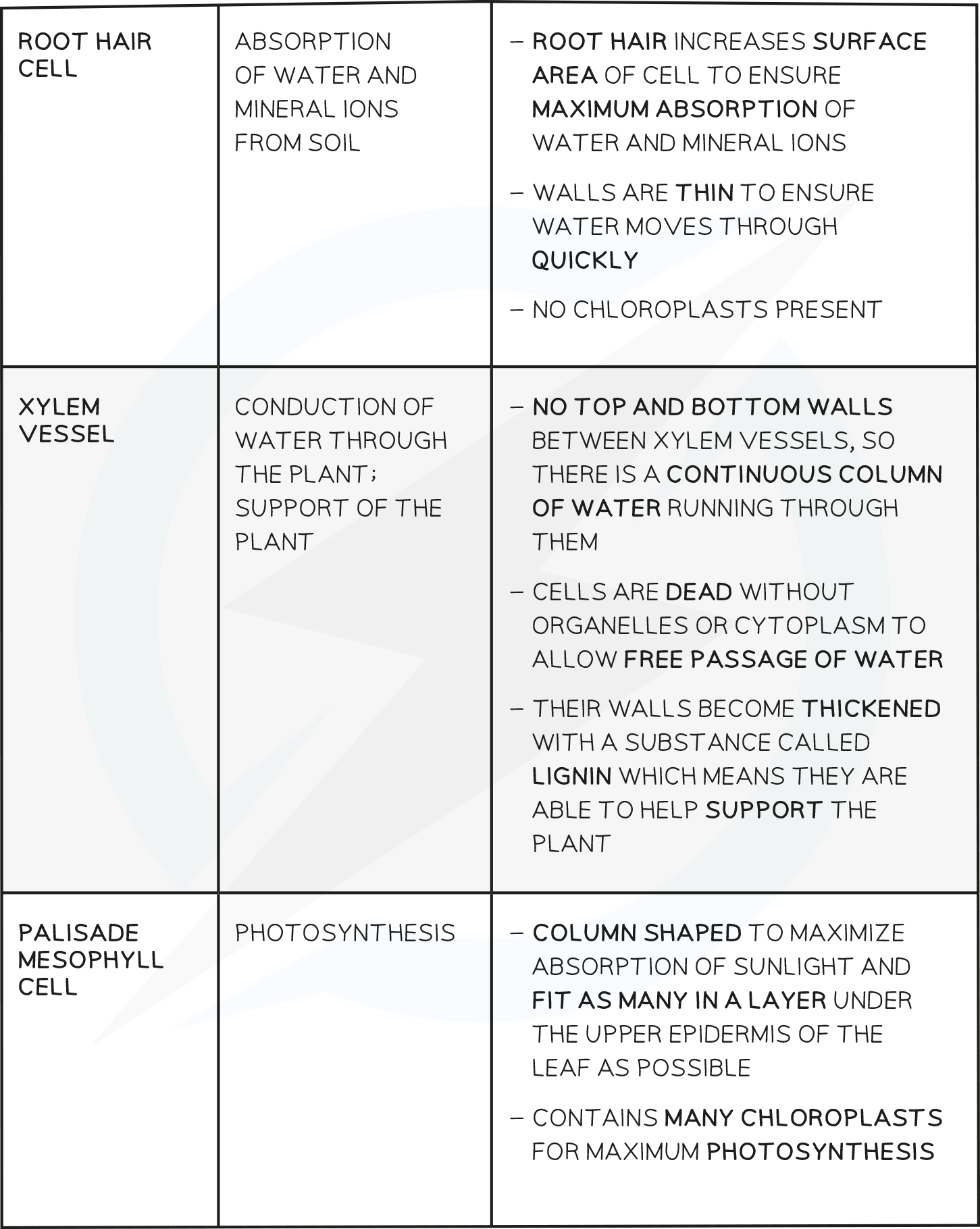
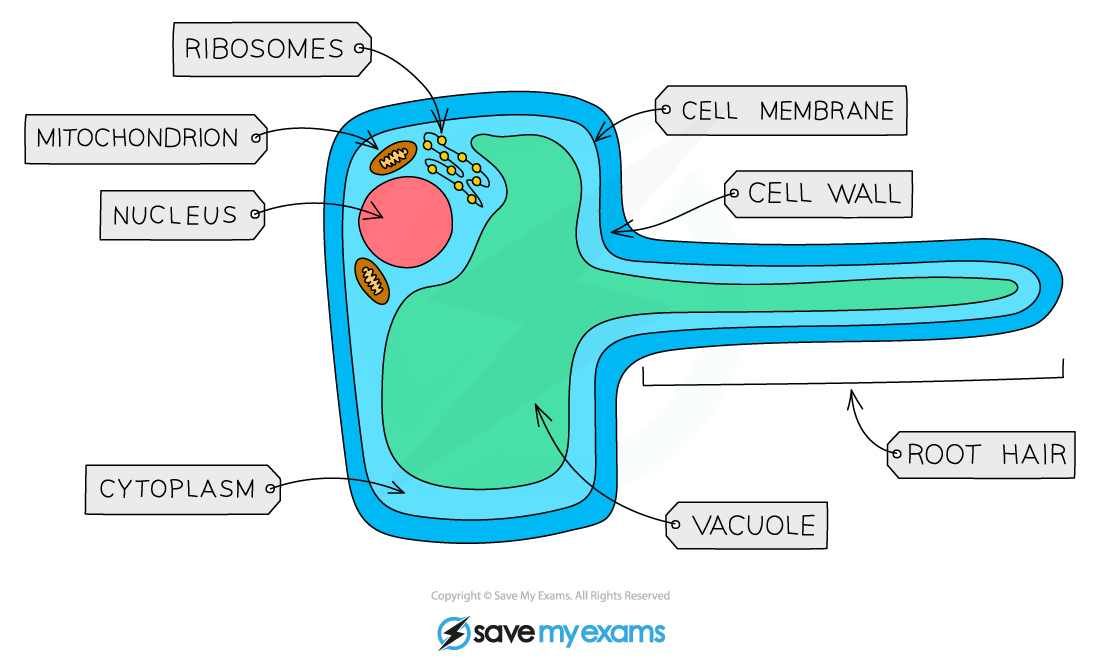
Root hair cell
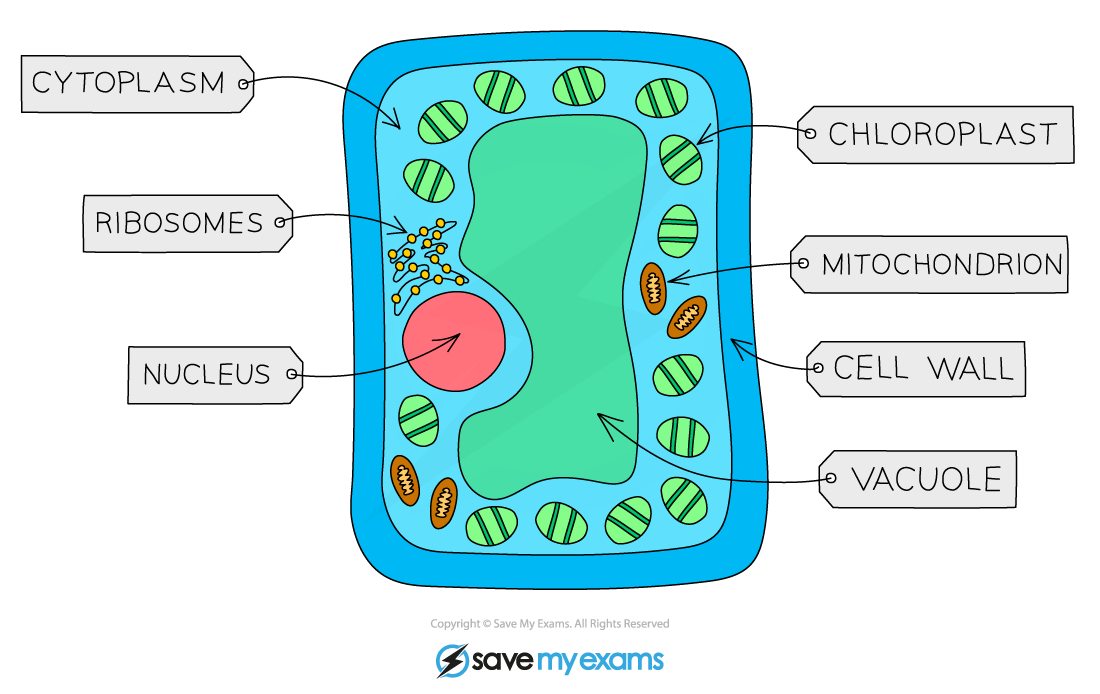
Palisade mesophyll cell
轉(zhuǎn)載自savemyexams
以上就是關(guān)于【Edexcel IGCSE Biology: Double Science 復(fù)習(xí)筆記 2.2.2 Specialised Cells】的解答,如需了解學(xué)校/賽事/課程動(dòng)態(tài),可至翰林教育官網(wǎng)獲取更多信息。
往期文章閱讀推薦:
翰林獨(dú)家 | 經(jīng)濟(jì)學(xué)競(jìng)賽核心精講,一冊(cè)打通NEC/IEO/USAEBO!
IGCSE全A*,A-Level階段卻崩了?別忽視IGCSE選課的重要性!


翰林AMC8視頻課重磅上線!

國(guó)際競(jìng)賽真題資源免費(fèi)領(lǐng)取






