That Day We Had Some Space To Reflect 那一天,我們有了一些反思的空間

By: Sherissa Wu,Class of ’22, Shanghai American School, Pudong Campus
作者:上海美國學校浦東校區九年級學生Sherissa Wu
The invisible people of the nearly invisible city wheel in a birthday cake larger than my head. Surprise! We remember. The first thing I notice is that the cake is undoubtedly American. Everything from its buttercream to the curving serif names written upon its surface carry a distinct quality. Western. The cake is creamy and sweet, a perfect replicate of its Western counterparts. The happy birthday song blasting from the intercoms is of course in English... we’re in China, what else would it be??
不顯眼的城市里默默無聞的人們推進來一個比我的頭還要大的生日蛋糕。生日快樂!我們沒有忘記你的生日。我首先注意到的是這個蛋糕毫無疑問是美式的。從奶油糖霜到上面的彎曲襯線字母,一切都具有鮮明的特點。西式。這個蛋糕散發著甜甜的奶油味,是西式蛋糕的完美復制。廣播里播放著英文版的生日快樂歌……我們是在中國,還有什么更西式的呢?
My hotel room has plush purple velvet headboards, gold accents, and upholstered chairs. The combined effect is reminiscent of a regal Victorian era royal bedroom. Western. Two oil paintings sporting engraved wooden frames hang in the bathroom. Western. The souvenir shop that sustains local families sells tacky key chains and the kind of tourist postcards you see in US gas stations. All Western. More Western. Only Western.
我的酒店房間提供了紫羅蘭色的天鵝絨床頭板、帶著金色的點綴以及軟墊椅子。整體效果讓人聯想起維多利亞時代的皇家臥室。西式。衛生間里掛著兩幅雕木邊框油畫。西式。維持當地家庭生活的紀念品商店擺滿了美國加油站常見的鑰匙鏈和旅游明信片。全是西式。都是西式。只有西式。
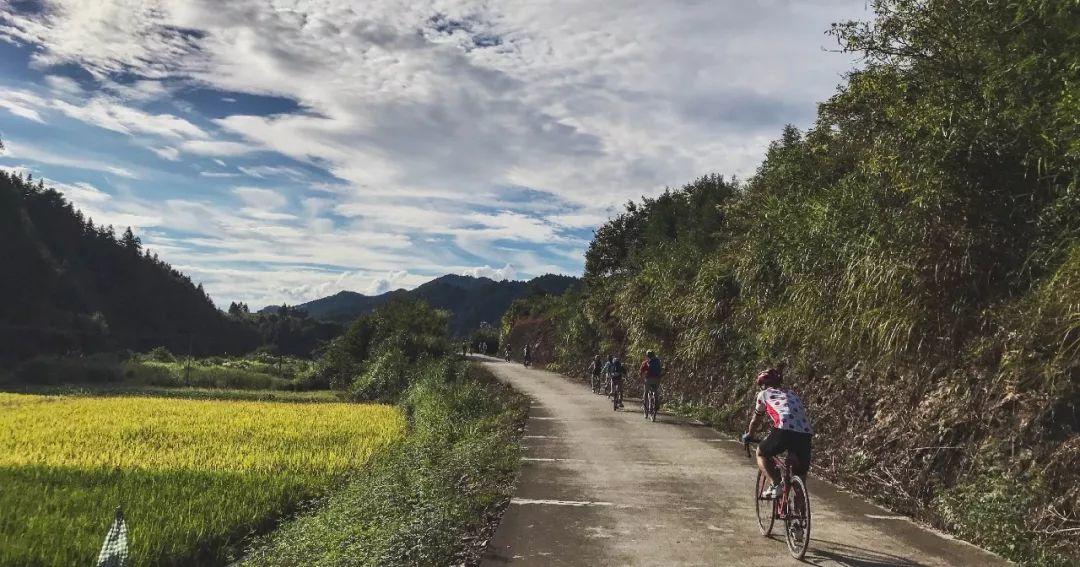
120 ninth graders and 15 teachers are in Wuyuan, a small city in the JiangXi Province. But if you hadn’t known any better, might have thought we were in the West.
上海美國學校120位九年級學生和15位老師來到了江西婺源這座小城。如果你不知道的話,你很可能以為我們是在西方的某座城市。
In September of 2018, the entire freshmen class of Shanghai American School Pudong campus embarked on a five-day long journey to immerse ourselves in culture and a world outside the limitations of our bubbled city. We were the first class experiencing TheNine. We were introduced to things we’d never seen or heard before: The Nuowu opera, the preserved Yu village that for hundreds of years maintained an architectural beauty, and the daily agricultural routines that lives were created around. But we were also met with tiny cultural norms that bore uncanny resemblance to the very culture and city we had just left.
2018年9月,上海美國學校浦東校區全體九年級新生參加了為期五天的校外活動,走出我們的氣泡城市,融入到外面的文化和世界中。作為參加TheNine項目的第一屆學生,我們體驗到了從未見到過或聽說過的事情:儺舞戲、幾百年來一直保持著建筑美感的俞村以及這里的人們賴以生存的農耕生活。但我們同樣見到了與我們剛剛離開的城市中非常相似的文化習俗。
One of the most unique activities we witnessed was the Nuowu opera. As 30 students and teachers sat in an arc around two elderly locals performing their tradition for us, their story of a slow but sure loss of their culture was heartbreaking to hear. The young men and women who usually would have been tasked with carrying on the legacy were in cities searching for work, or working at tourism sites. The old-fashioned crafts that they had grown up with were being forgotten for water raft rides and gaudy attractions. Was this the role we were meant to play, as ambassadors of the popular culture? A small portion of a larger group who come to places like these not to cherish the abundant culture, but to replace it? Through many nights of reflection time, the teachers provided us with many probing questions… should practices like the Nuowu opera even be preserved? Should we continue to care for villages like the Yu? At what point is culture’s own cost of culture too much to pay?
我們體驗到的最獨特的活動之一就是儺舞戲。三十位師生圍著當地兩位老人坐下,老人給我們表演了他們的傳統。文化傳統的緩慢流逝被娓娓道來,讓人心碎。本應接過傳承重任的年輕人紛紛進城打工或前往旅游景點工作。伴隨他們長大的傳統手藝逐漸被遺忘,取而代之的是水上漂流項目和花哨的景點。這是我們應當扮演的角色嗎,作為流行文化的大使?一小部分人來到這些地方,不去欣賞當地深厚的文化,而是試圖去取代它?在很多個晚上進行了自我反思之后,老師向我們提出了很多引人深思的問題……儺舞戲等傳統是否應當保留?我們是否應當繼續關注像俞村這樣的村落?什么時候文化自身的文化成本會被認為太高而難以維系?
Culture and progression cannot be defined easily. However, they can be represented in the abstract. A hike we went on in Wuyuan was scenic, and the views were pretty, but it can be used to illustrate a deeper truth. The weeds, the dirt, the stone, the ground, can all be tied back to this idea of culture, or more accurately, the loss of it -
很難輕松地對文化和發展下定義。但它們可以被抽象概括。我們在婺源進行了一次遠足,途中的風景優美、怡人,但它可以用來揭示更深層次的真相。雜草、泥土、石頭、地面,所有這些都可以與這種文化觀念或者說是文化的流失聯系起來-
The mountain hike was beautiful. Surrounding rice paddies, plump for harvest, were organized in tiers - a ripe green vastness that was only interrupted by the darker forests. The terrain was paved, but with unevenly cut stones and tiny flowers growing along them. Planted in neat rows, their vibrant succulence stood in stark contrast to the worn path. We came to see the flowers because we wanted to see a different world. We were met with weeds, a natural mirror, that showed us the truth. The weeds, much like the invading common culture, snake out of the common earth. They siphon resources from the soil, choke the traditional, and creep along the local carefully set stone path. The new culture weeds on, eroding the structural integrity of a story passed through generations.
登山遠足是一次美好的體驗。周圍的稻田錯落有致,稻粒飽滿,等待收割——一望無垠的綠色稻田被更加郁郁蔥蔥的森林隔斷。小道上鋪上了形狀各異的石頭,道路兩旁長滿了小花。這些小花排列整齊,富有生機,與磨損的路面形成了鮮明對比。我們是來看這些花的,因為我們希望看到一個不同的世界。迎接我們的卻是雜草,這是自然的明鏡,向我們展示了真相。就像入侵的大眾文化一樣,雜草從同一片土地上鉆出。它們從土壤中汲取養分,扼殺傳統,蔓延到當地精心鋪設的石頭路面上。新文化雜草叢生,侵蝕著世代相傳的故事結構的完整性。
These are the stories that make up our world. These are the narratives that really tell us how much we’re losing. It’s the story of the western birthday cake, it’s the story of the Victorian velvet headboards, and it’s the story of the weeds underfoot. These are the stories that tell of worlds of lost culture.
這些故事構成了我們的世界。這些敘述讓我們真正認識到自己正在失去什么。這是西式生日蛋糕的故事,是維多利亞時代天鵝絨床頭板的故事,是腳下雜草的故事。這些故事講述了失去文化的世界。
At the end of the Nuowu opera performance, we asked the locals what their hopes were. They said that they were happy to see us, because their goals were simple. Go back to Shanghai, they said. Spread the news of our tradition. Don’t let it die with us.
儺舞戲表演結束后,我們問當地人他們的愿望是什么。他們說很高興見到我們,因為他們的目標很簡單。他們希望我們回到上海后能夠將他們的傳統傳播出去,不要讓這個傳統在他們手上消失。
These lines particularly resonated with me, because that was what our teachers were trying to get at all along. From the moment we got on the train to see all this culture, the reason why we came was clear. The two elderly men asked us to spread the word. I know that with our stories and voices we will. We will spread the word, because the goal of TheNine is just that- to celebrate, to pass on, and to remember.
這些話特別能夠引起我的共鳴,因為這是老師們一直向我們傳達的。從我們登上火車前來體驗這一文化的那一刻起,我們就很清楚來到這里的原因。兩位老人希望我們幫他們宣傳這一文化。我知道,我們一定會的,通過我們的故事和我們的聲音。我們將幫助他們進行宣傳,因為這正是TheNine的目的——慶祝、傳承、銘記。
STORIES.EVERY DAY AT SAS.
故事。就在上海美國學校的每一天。
About Us 關于我們
Founded in 1912, Shanghai American School (SAS) is the largest and most established international school in China. In short, it's the kind of school you wish you would've attended when you were a kid.
創建于1912年,上海美國學校是中國最大的也是歷史最悠久的國際學校。簡而言之,如果你能回到小的時候,這會是一所你想要去的學校。
Follow Us 關注我們
以上就是關于【That Day We Had Some Space To Reflect 那一天,我們有了一些反思的空間】的解答,如需了解學校/賽事/課程動態,可至翰林教育官網獲取更多信息。
往期文章閱讀推薦:


翰林AMC8視頻課重磅上線!

國際競賽真題資源免費領取






