戲劇學(xué)習(xí)屬于六大學(xué)科的第六組藝術(shù),是繼視覺藝術(shù)之后又一門打開新視角的學(xué)科。學(xué)生們基本都是零起點開始,兩年之后就有著變身導(dǎo)演和編劇的感覺,這其中蘊(yùn)藏的挑戰(zhàn)和成就感不言而喻。Theatre at diploma level is a ‘stand-alone’ course, which can be studied without prior learning in the subject, therefore flexibility and differentiation will be key concepts throughout the course. However, it is not a ‘lonely’ course, which transforms people’s lives and links with Music in MP and UOI in PYP. Most importantly, it gives students freedom to explore, express and experiment.
在這段自我探索之旅中,學(xué)生修煉的主題其實是時間規(guī)劃和適應(yīng)能力。每年十二月呈現(xiàn)的合作戲劇項目就集中詮釋了學(xué)習(xí)的過程和結(jié)果。On thisself-exploration journey, the students try every possibility to cultivate their time-management skill and adaptation skill. The Collaborative Projects best demonstrate the learning process and outcomes.
什么是合作戲劇項目What is the Collaborative Project
它是戲劇學(xué)生的內(nèi)部評估,即由老師和學(xué)校主導(dǎo),在12年級第一學(xué)期完成,老師錄制并給予分?jǐn)?shù),IB進(jìn)行抽查。具體評估細(xì)則見下表。It is the Internal Assessment for the Theatre Studies students. It is usually accomplished at the 1stsemester in G12. Here are the assessment criteria.
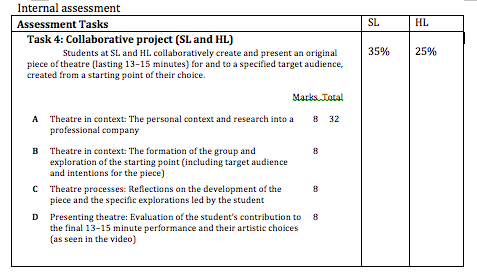
每個作品都是學(xué)生100%原創(chuàng),作品需要選定一個出發(fā)點,即具體或抽象的概念,比如變化,后現(xiàn)代主義等,并沿著它不斷探索和發(fā)展。同時,通過任務(wù)分工和藝術(shù)選擇,比如,服裝,道具,光聲,個性化,沖突交流,氛圍和意義等加深主題表達(dá),引起觀眾的共鳴和思考。Every collaborative theatre project is a 100% student driven. The collaborative creation of original theatre involves a group of theatre makers (creators, designers, directors and performers) who work together practically to examine and develop ideas in order to generate theatrical material that is then structured and organised into a piece of theatre.
There are three parts to this process
- Creating, generating and developing theatrical material.
- Organising and structuring the material into a piece of theatre.
- Preparing, rehearsing and presenting the piece for an audience.
挑戰(zhàn)來自于哪里What challenges are students facing
IB的戲劇課是學(xué)生為中心的, 把學(xué)生的學(xué)習(xí)體驗和探索放在最核心的位置。學(xué)生會學(xué)習(xí)創(chuàng)作話劇的技巧和方法,通過表演,報告,展示和寫作表述他們的發(fā)現(xiàn)。學(xué)習(xí)的方式涉及表演,項目策劃,工作坊,口頭匯報,肢體展示,視覺和寫作表達(dá)等。課程鼓勵學(xué)生在實踐中邊做邊研究。The Diploma Program theatre course is student-cantered and places student explorations at the heart of a holistic learning experience. Students focus on the techniques and methods of making theatre, and present these discoveriesin a variety of ways, through performance, presentations, demonstrationsand written expression. Students learn through action, staging, project planning, workshops, presentations, physical demonstrations, oral, visual and written expression. The course encourages students to research practically, through the body.”
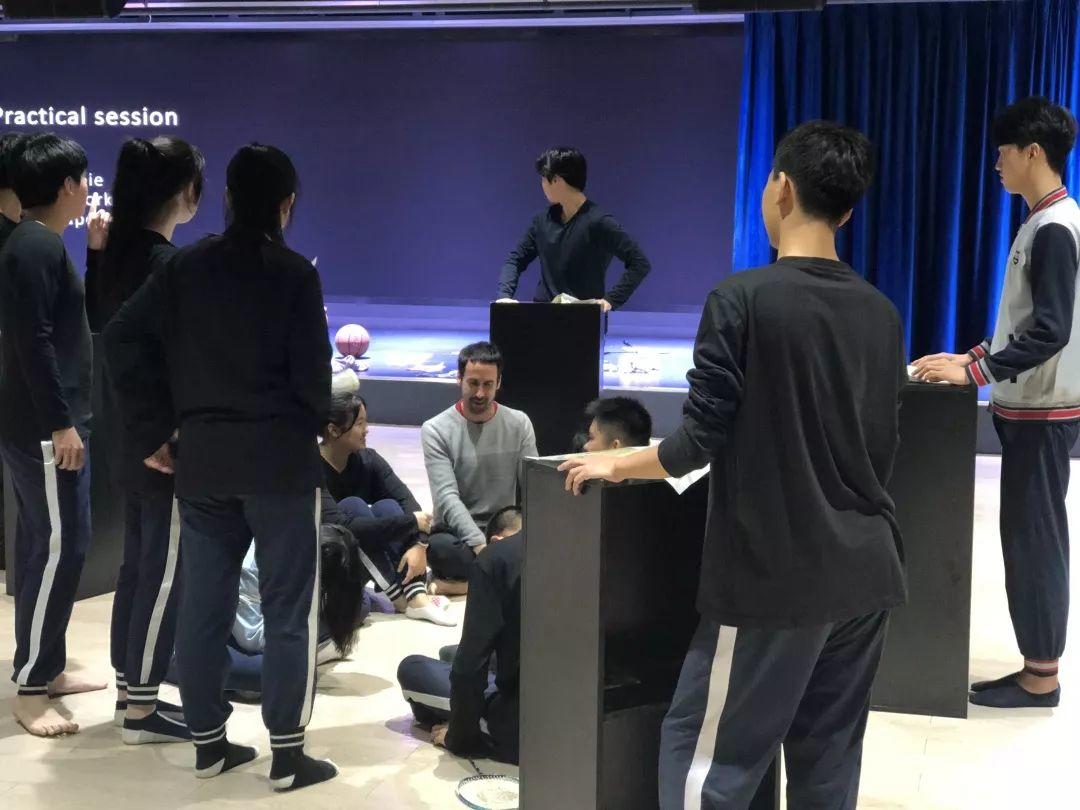
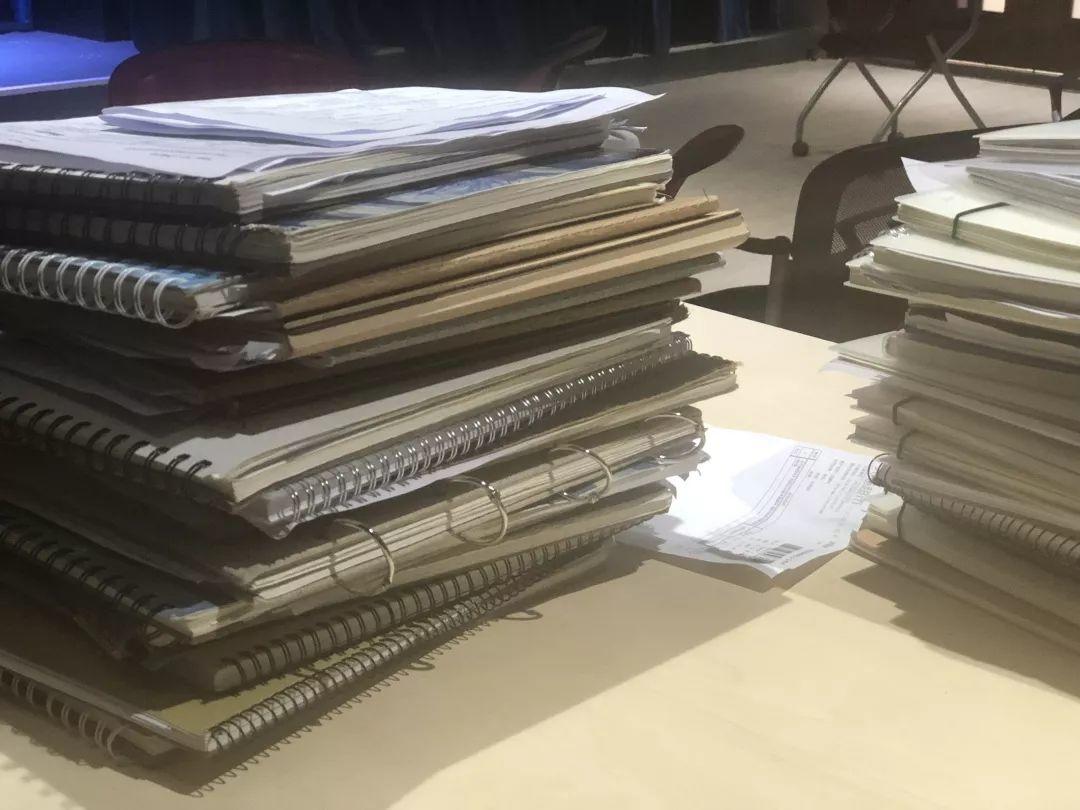
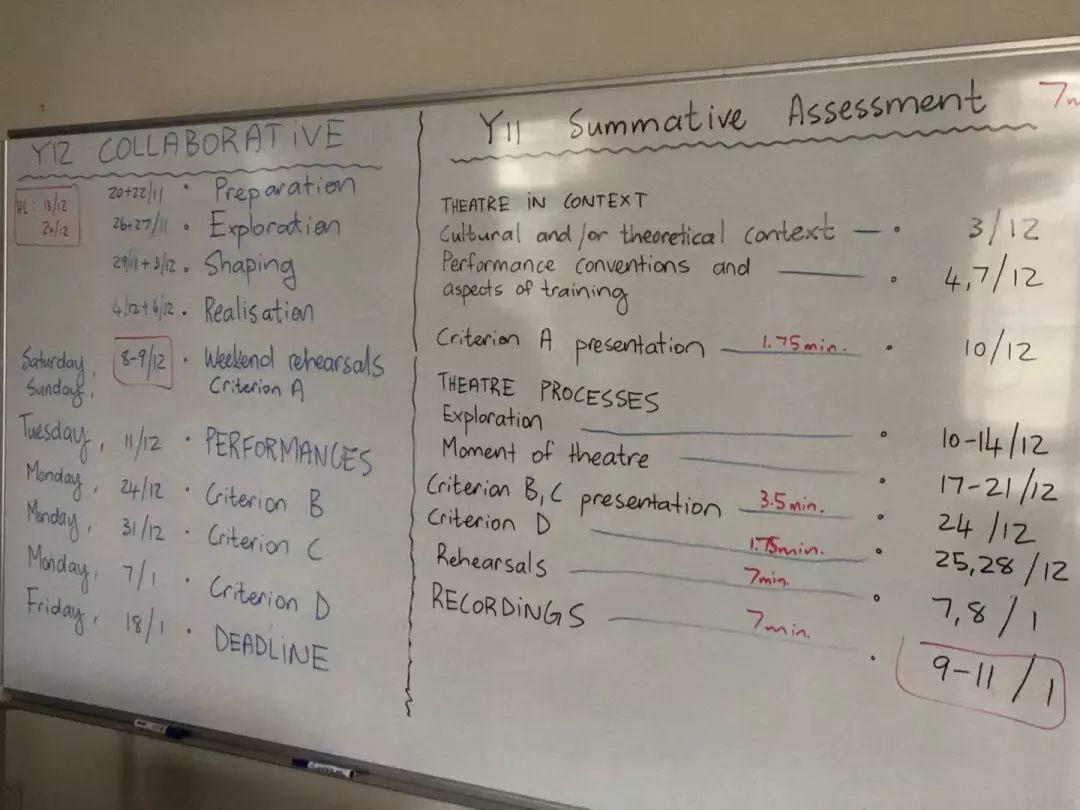
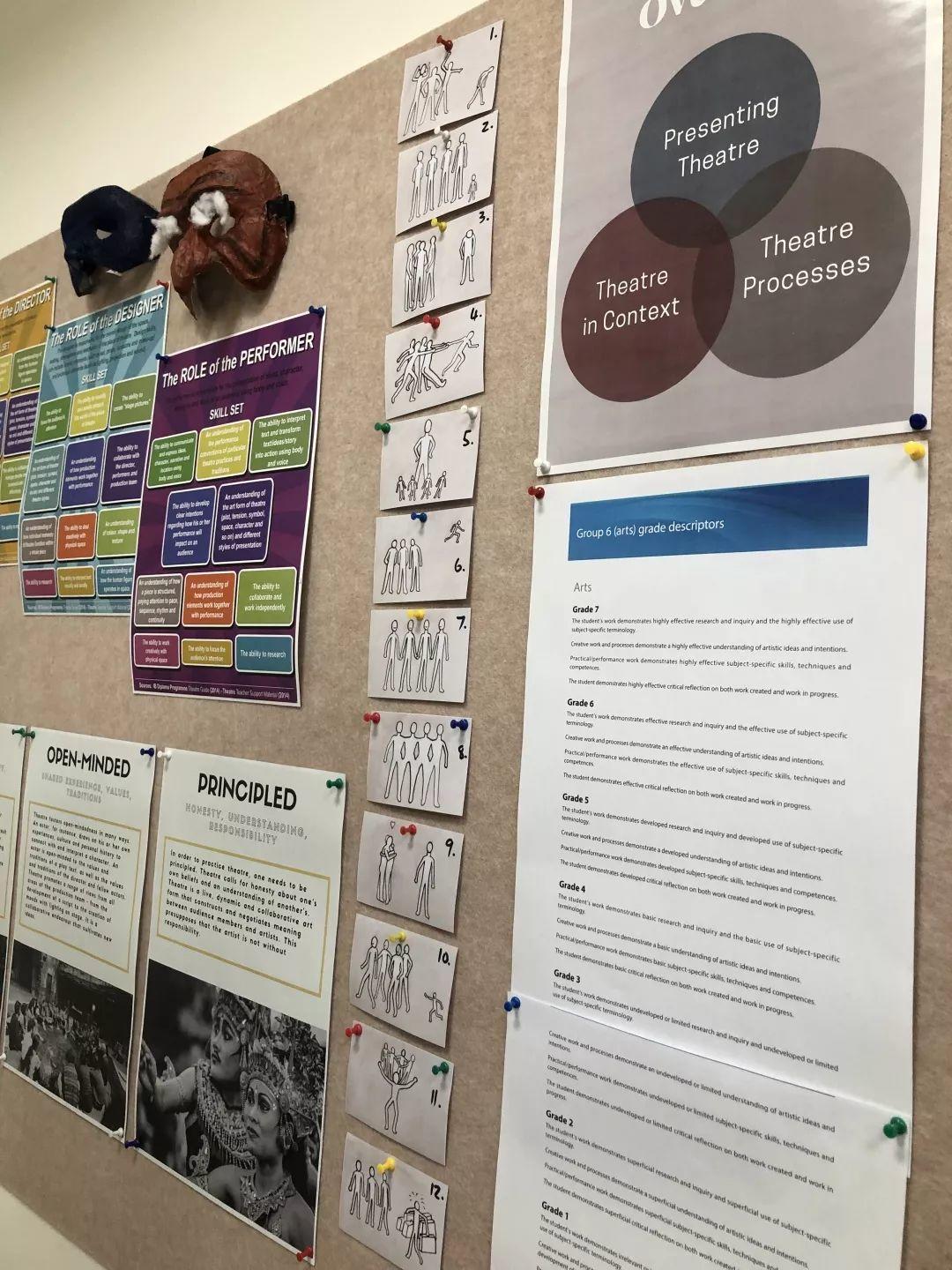
直白地說,戲劇學(xué)習(xí)不是我們一般人以為的戲劇表演課,表演的部分其實只占一小部分。核心內(nèi)容其實情境下的戲劇,戲劇產(chǎn)生過程以及戲劇表演。因此學(xué)習(xí)重點包括學(xué)科術(shù)語的運用,創(chuàng)意作品的產(chǎn)生,藝術(shù)家意圖的理解以及批判性反思。To cut it short, unlike most people think that theatre studies is about performing art, the cores are theatre in context, theatre processes, performing theatre. Therefore, the course relies heavily on the following aspects:
- Research and inquiry
- Use of subject-specific terminology
- Creative work and processes
- An understanding of artistic ideas and intentions
- Critical reflection
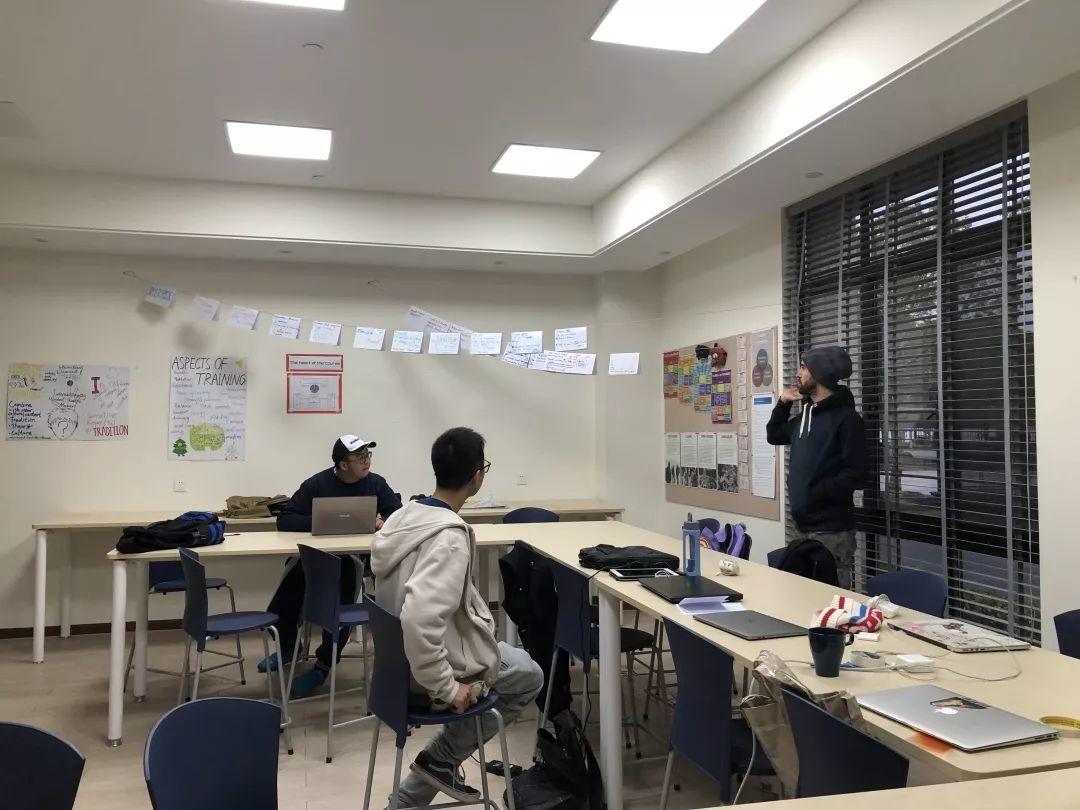
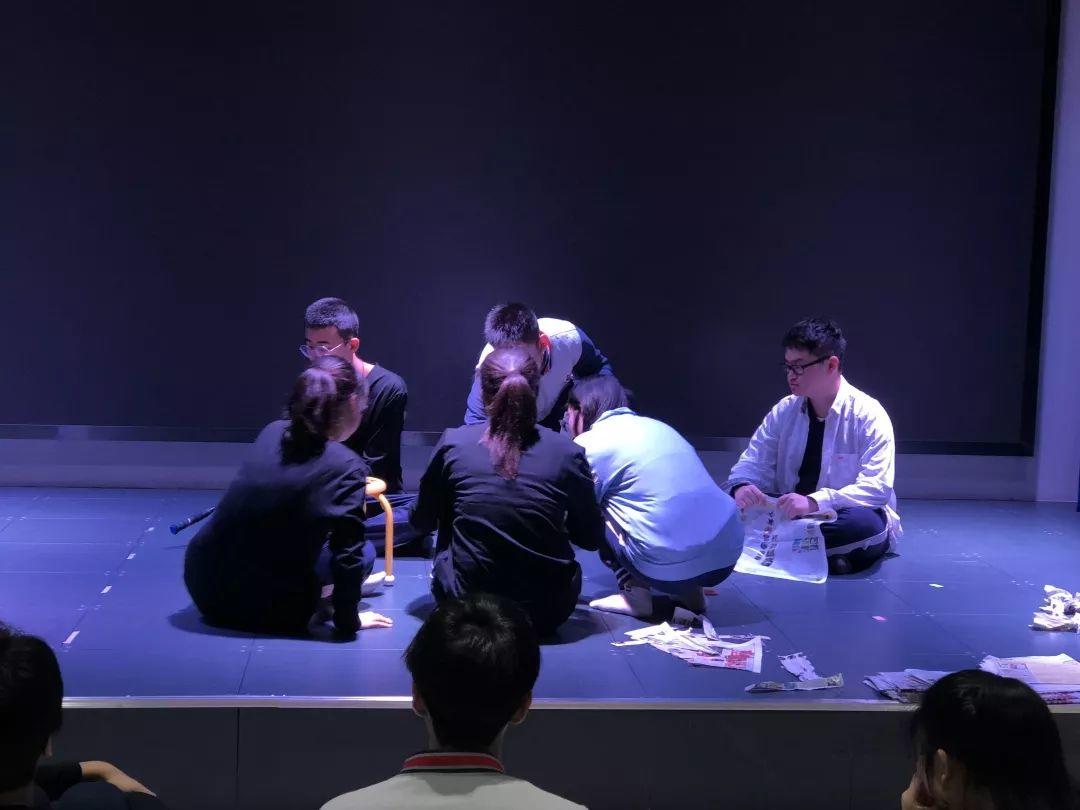
本屆學(xué)生作品回顧Review on collaborative theatre project from 2019 Cohort
第一組 出發(fā)點:鏡子 Group 1 Starting point-Mirror
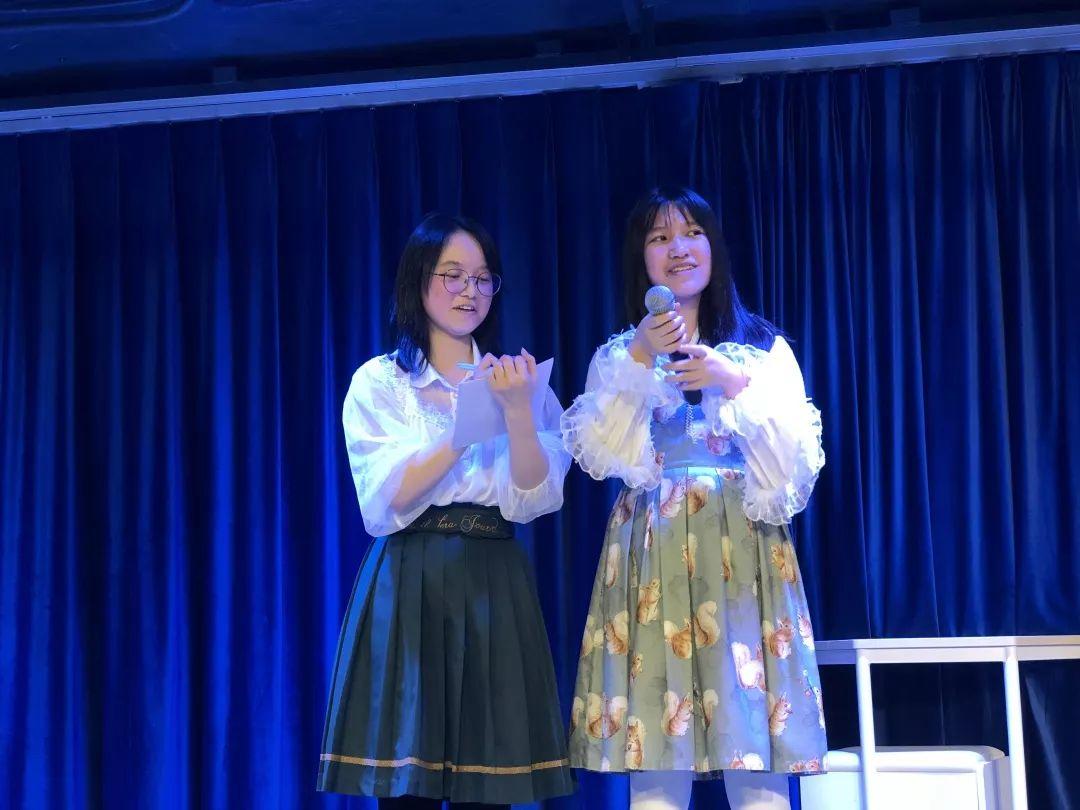
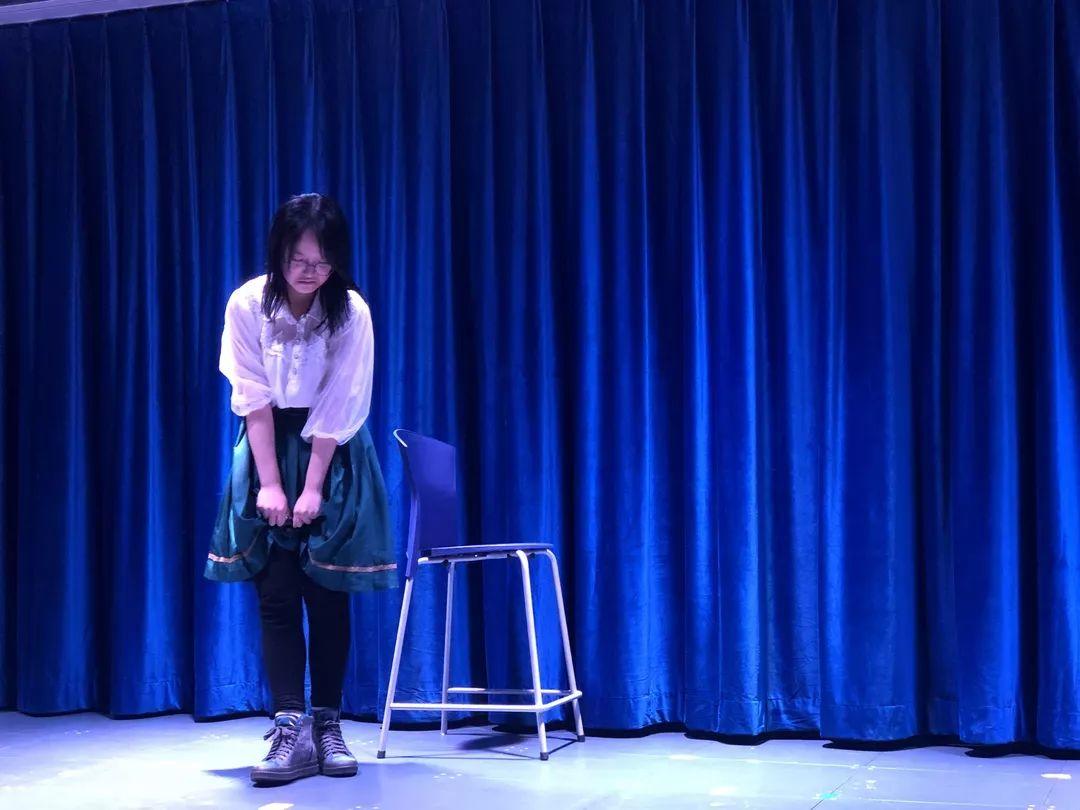
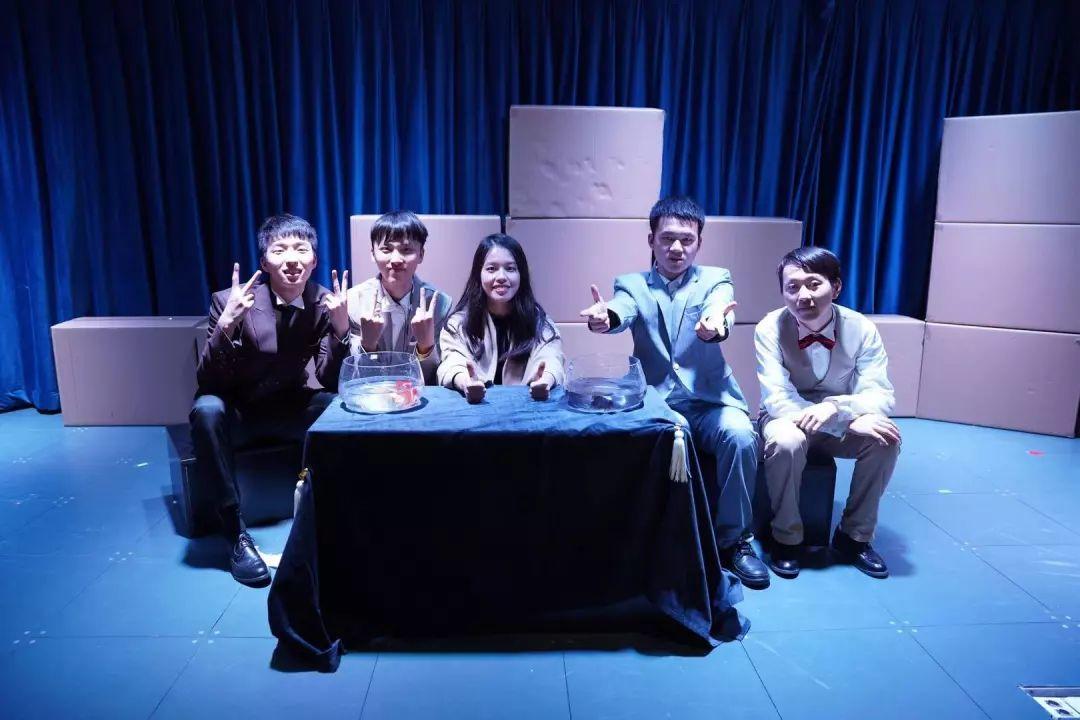
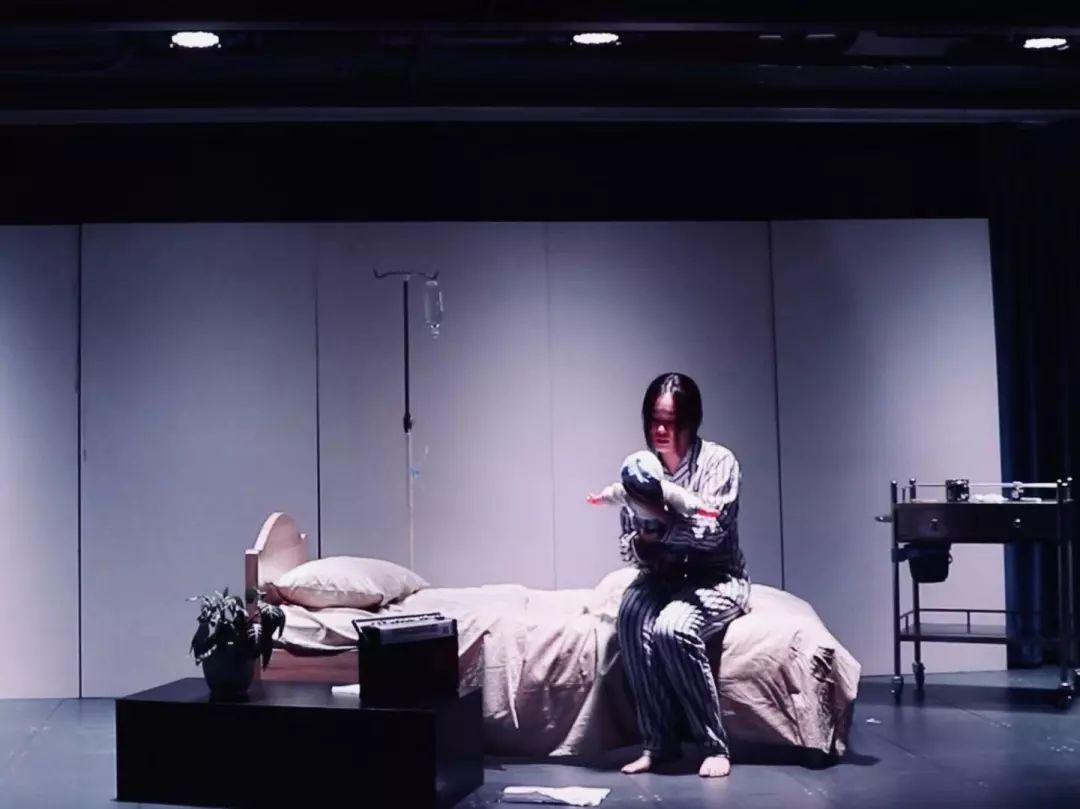
當(dāng)你照鏡子的時候,看到的是自己的影像,還是一個你想象中的影像?一個你虛構(gòu)的幫助你建立自信和活下去的那個人?兩個女生聚焦了長期被忽視和壓抑,導(dǎo)致心理疾病的那一小群青少年。通過戲劇表演把無形變成有形,讓壓抑最終爆發(fā)變成無法挽回的悲劇。其中的幾段舞蹈表演,具象了兩人的內(nèi)心戲,令人印象深刻。When you look into the mirror, do you see yourself or someone you created to make your life meaningful?
The first group focused on those who suffer from psychological disease owing to years of depression. The duo dance specified the thoughts and impressed the audience.
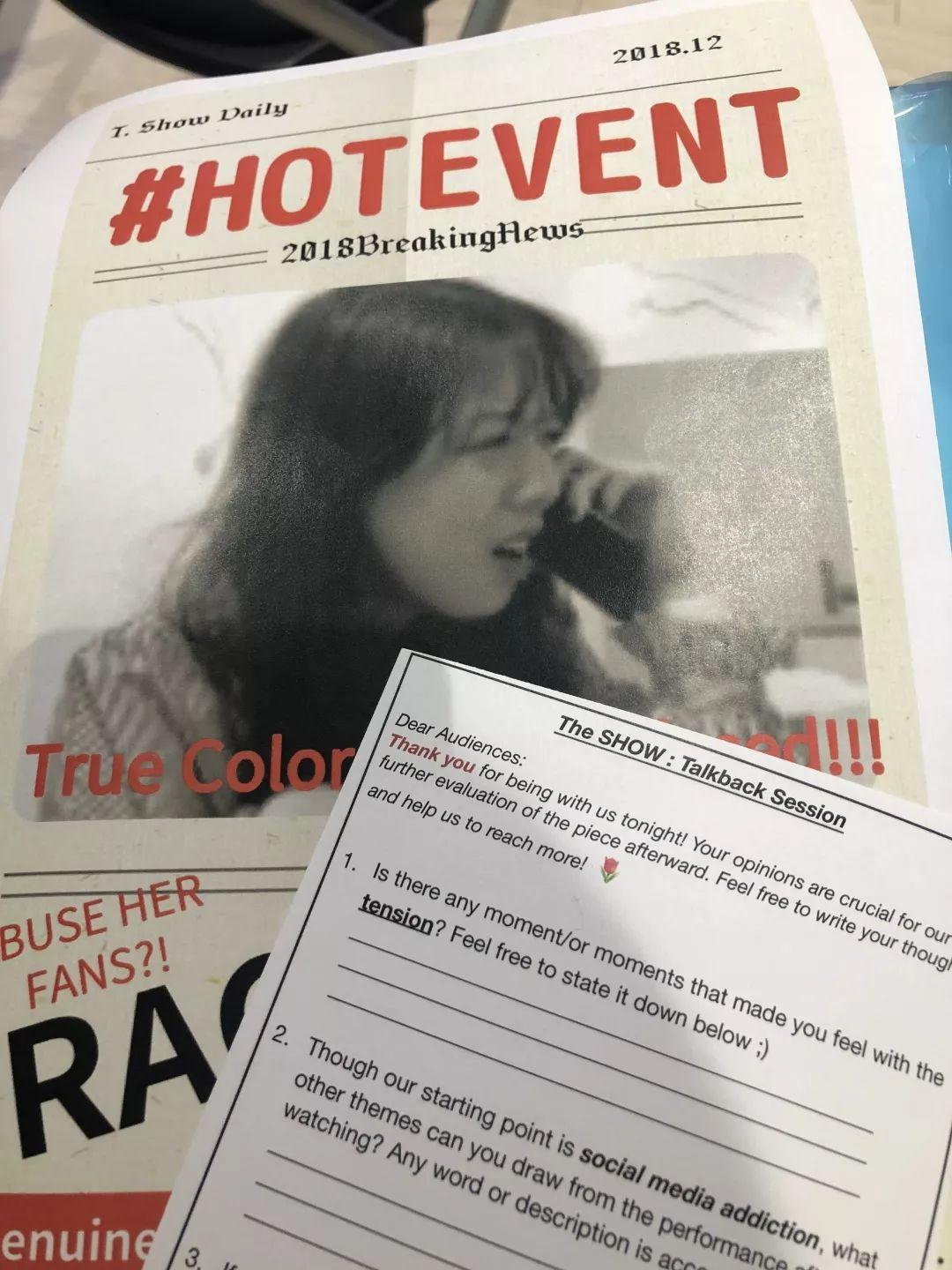
第二組 出發(fā)點:多媒體成癮Group 2 Starting point- Social media addiction
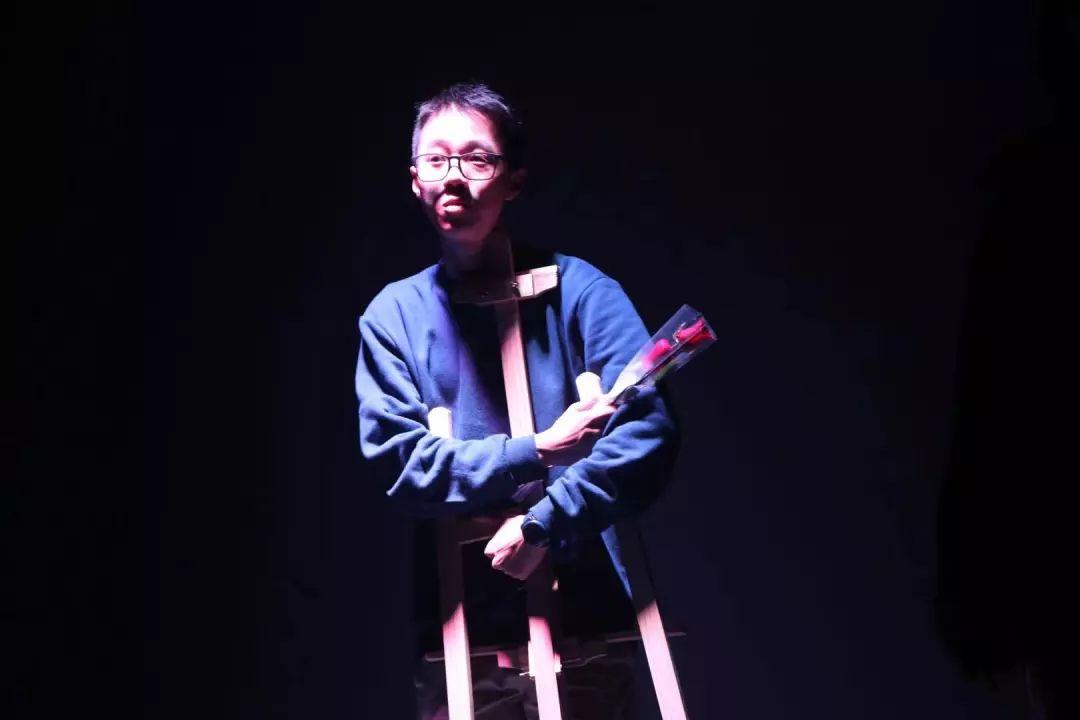
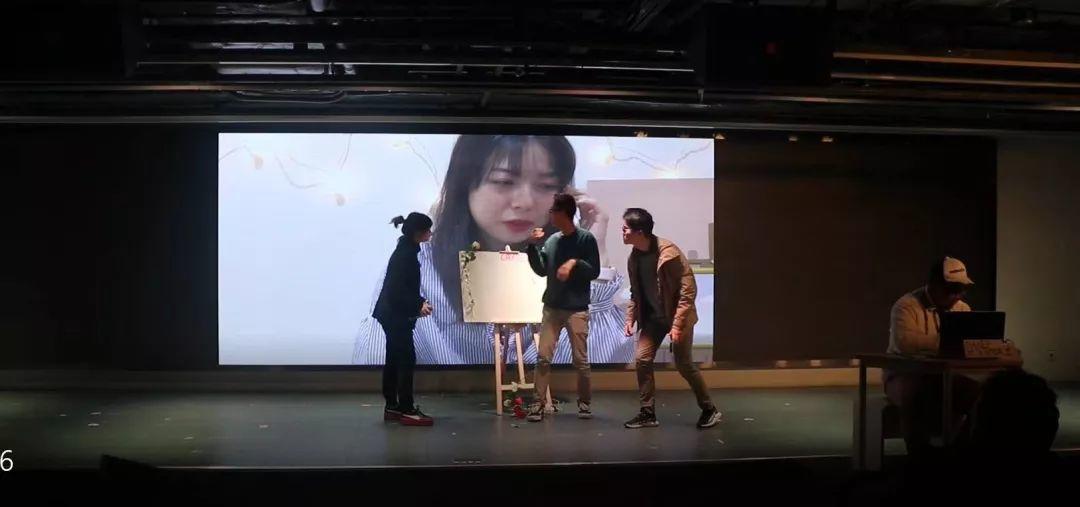
當(dāng)紅的網(wǎng)絡(luò)明星因為一時疏忽暴露了真實自我之后,大眾如何反應(yīng)?網(wǎng)紅本人如何應(yīng)對?這組學(xué)生將眾人熟知的現(xiàn)實情境搬上舞臺,立刻就增強(qiáng)了觀眾的代入感,也激發(fā)了熱烈的討論。When the internet celebrity exposes her real self, how will the public respond? What should the celebrity react? The students set up a familiar real-life-situation on the stage to engage the audience easily and to trigger the discussion quickly.
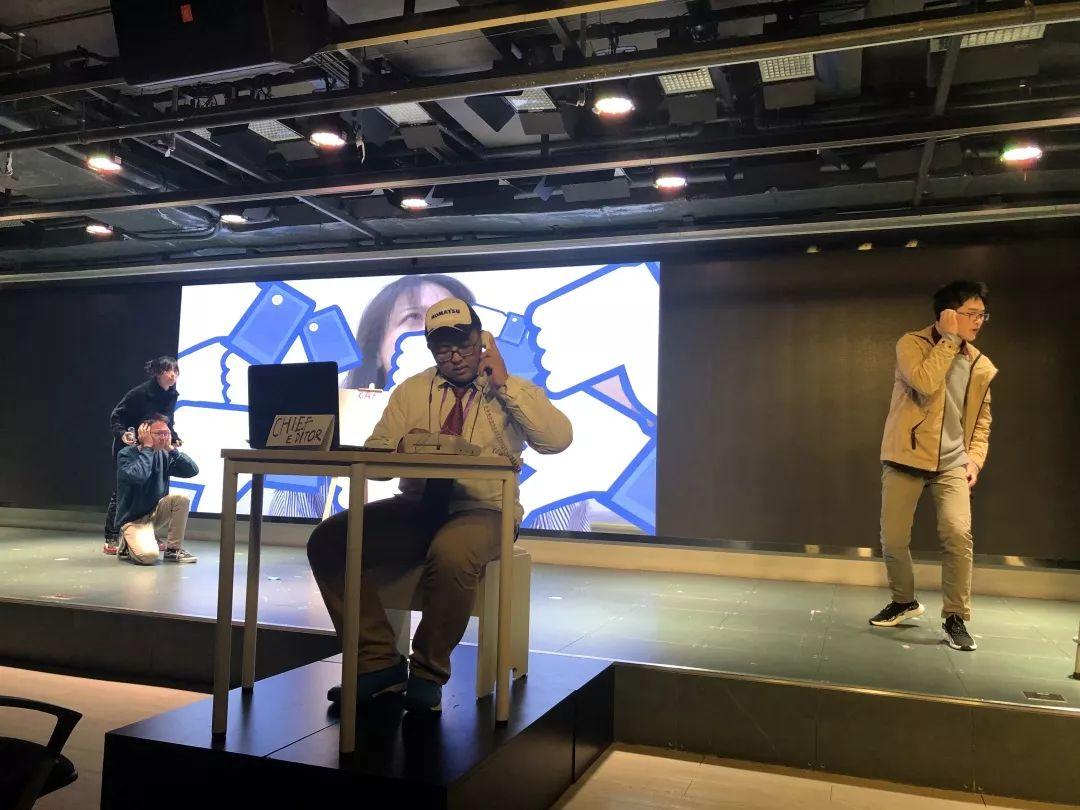
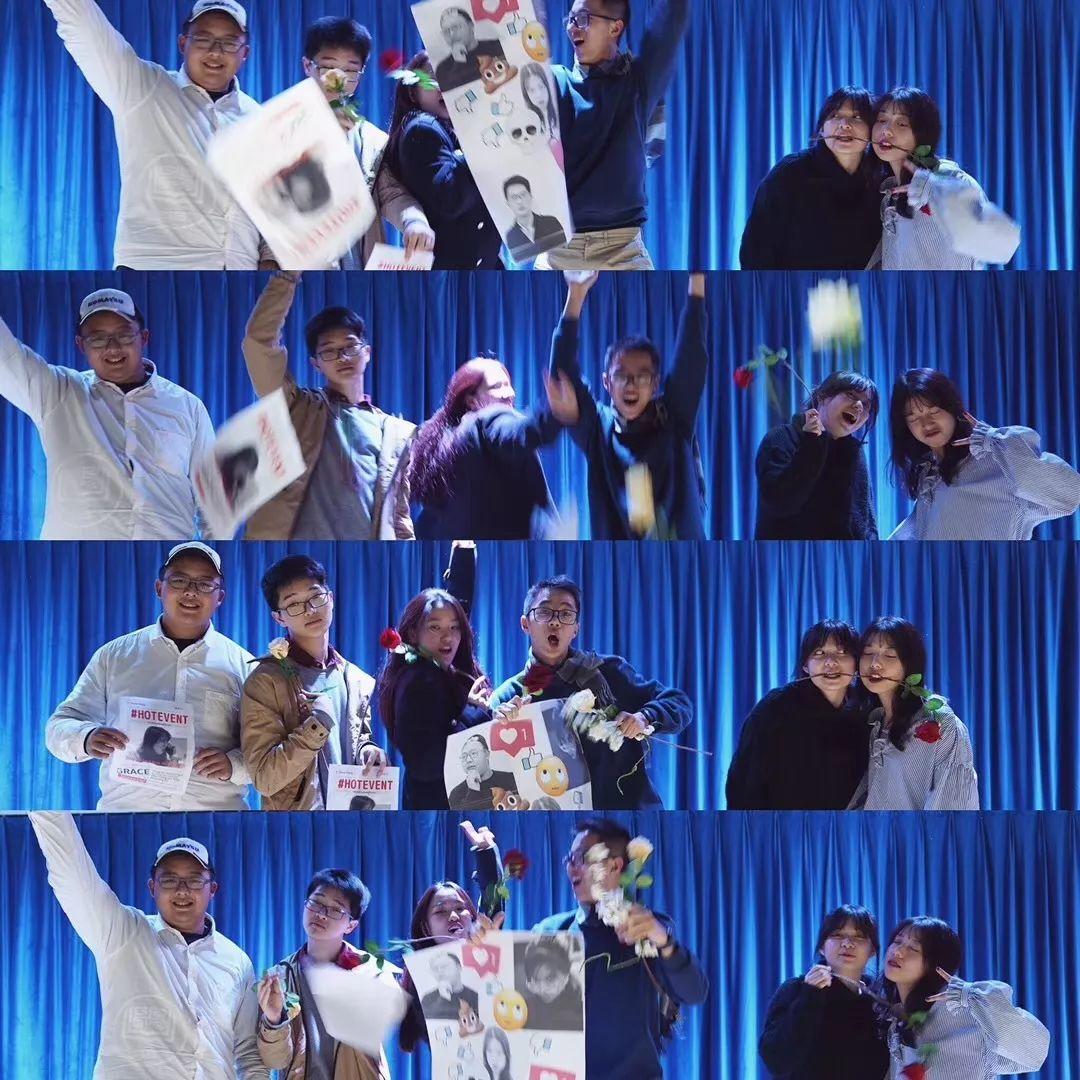

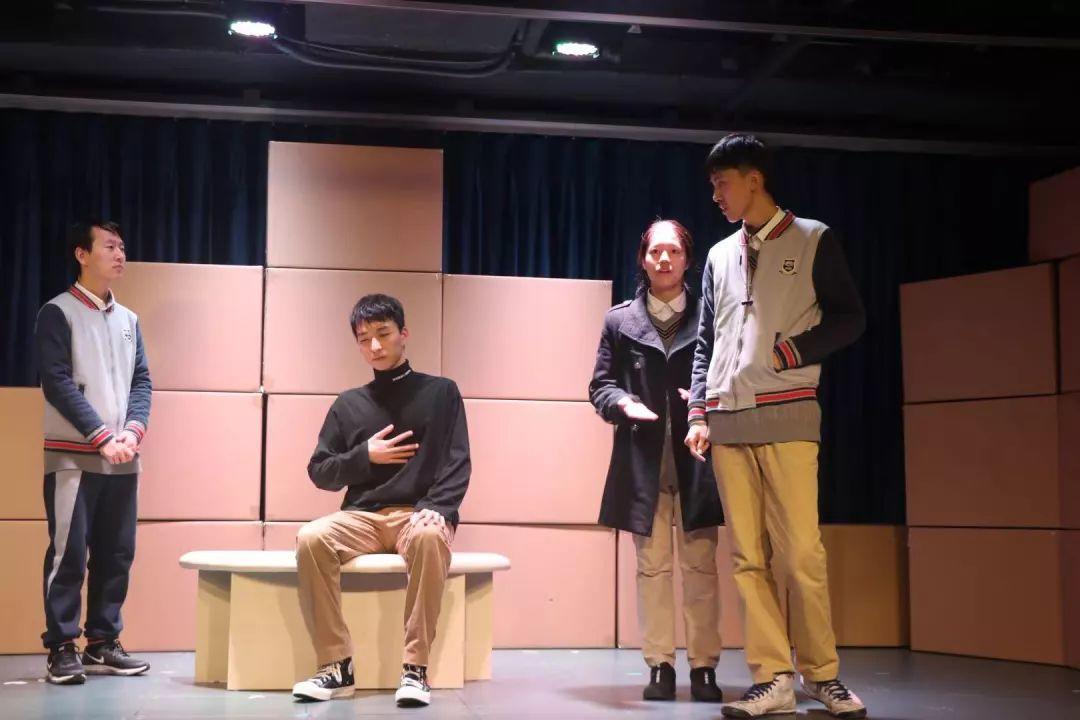
第三組 出發(fā)點:打印機(jī)Group 3 Starting point- Printer
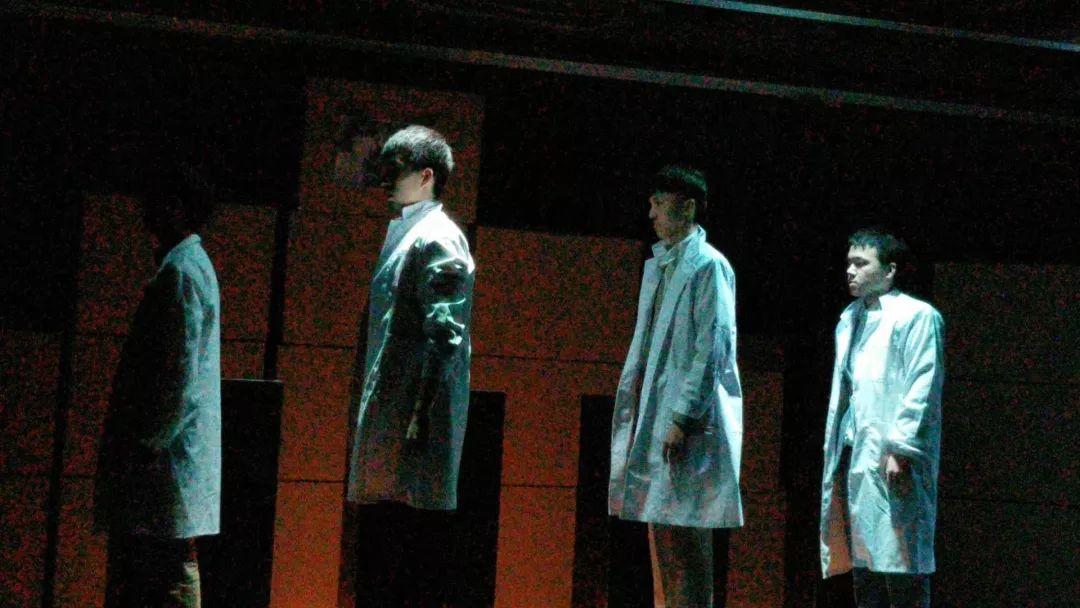
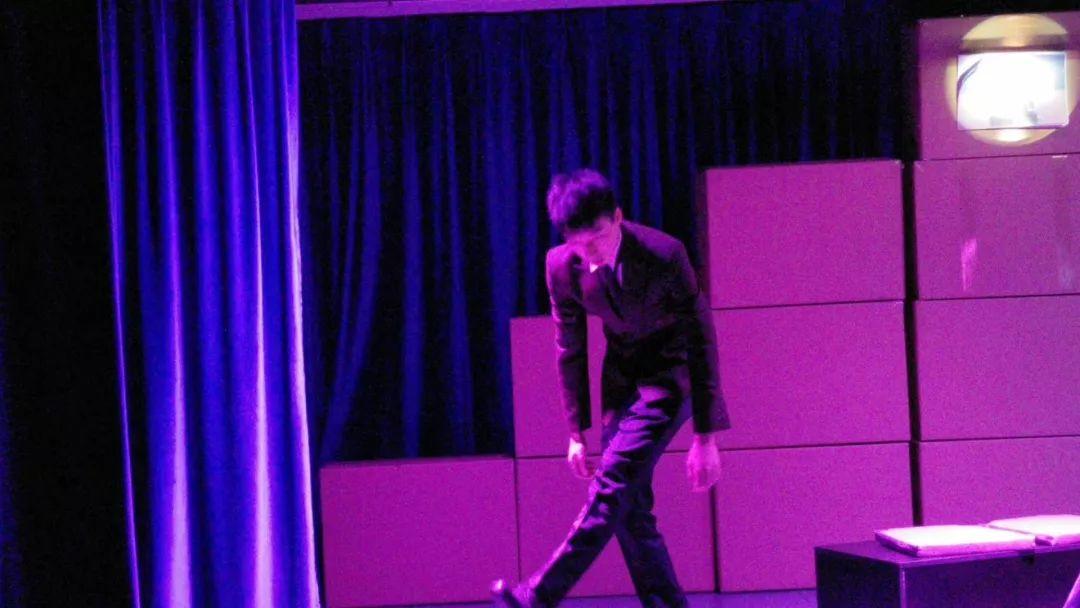
上流社會(統(tǒng)治階級)要鞏固的優(yōu)秀和習(xí)慣往往是以壓抑個體天性為代價的,哪怕是你至親至愛的孩子。這組學(xué)生在道具和服裝上下足了功夫,營造出了一個冰冷的讓人窒息的氛圍。尤其是那段叛逆的孩子被送去流水線,從崩潰到被同化后機(jī)器人一般的表演,觀眾的神經(jīng)隨著清脆的敲鈴聲顫抖著。The upper/ruling class realizes their governing through killing the creativity and individuality, which even applies to their families. This group set up a cold and stifling atmosphere through all possible details like the props, costume, music etc. The scene of the assembling line in the factory touched everyone’s nerve
創(chuàng)作者心路歷程Creator’s Words
兩個人的collaborative project做起來卻不如想象中那般輕松。雖然溝通方面即便有分歧,也能很快化解,但是在思考情節(jié)的過程中還是經(jīng)歷了諸多困境,不知道推翻了多少次,又重建了多少次。最后我們把自己的想法與心理學(xué)做了一次跨學(xué)科的嘗試,將imagery friend這個概念引入表演,希望觀眾能夠意識到逃避現(xiàn)實是行不通的,呼吁大家正視自我并選擇去接受和改變。——Yommi Huang
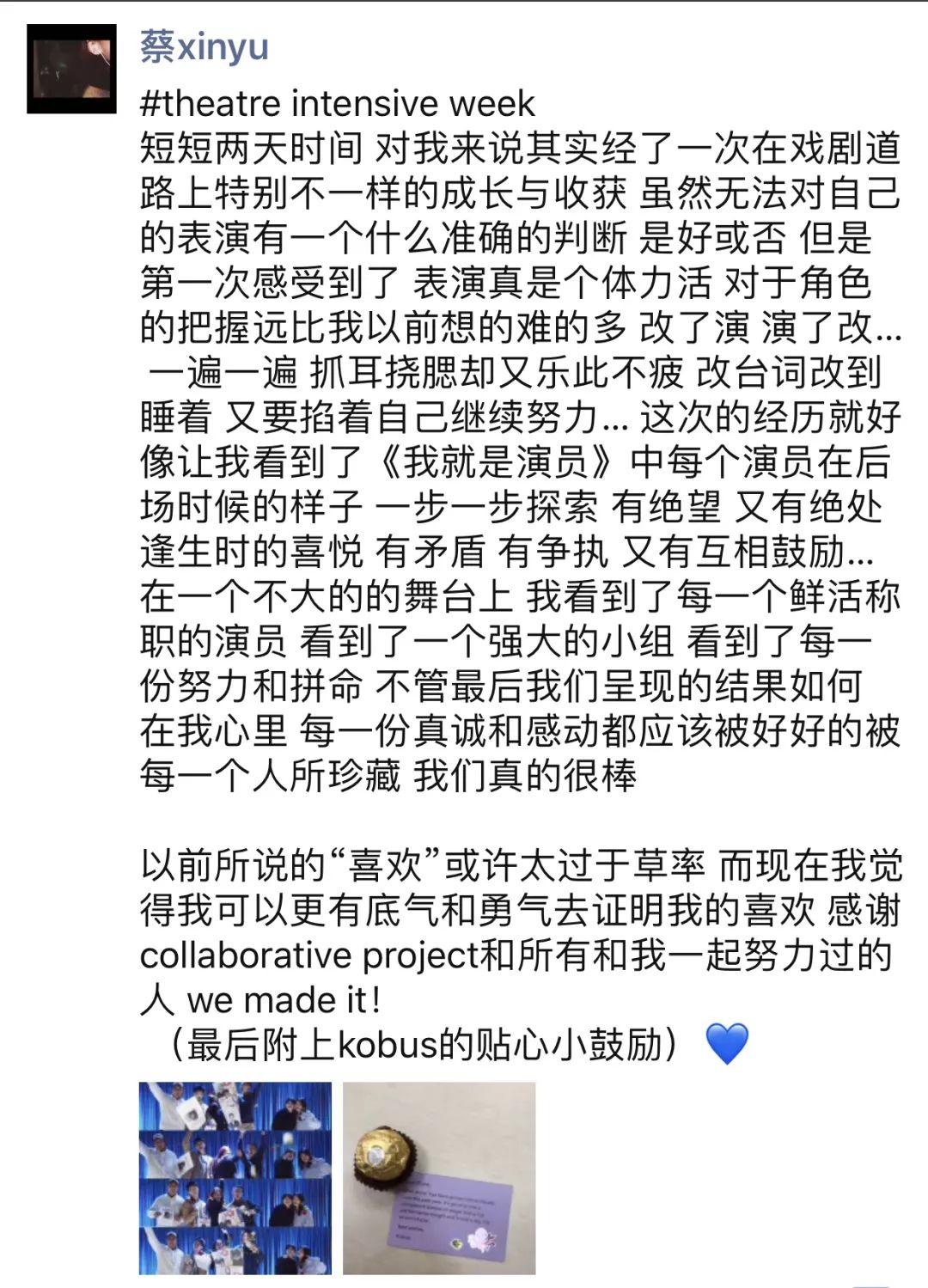
觀后感一瞥 Audience’s Words
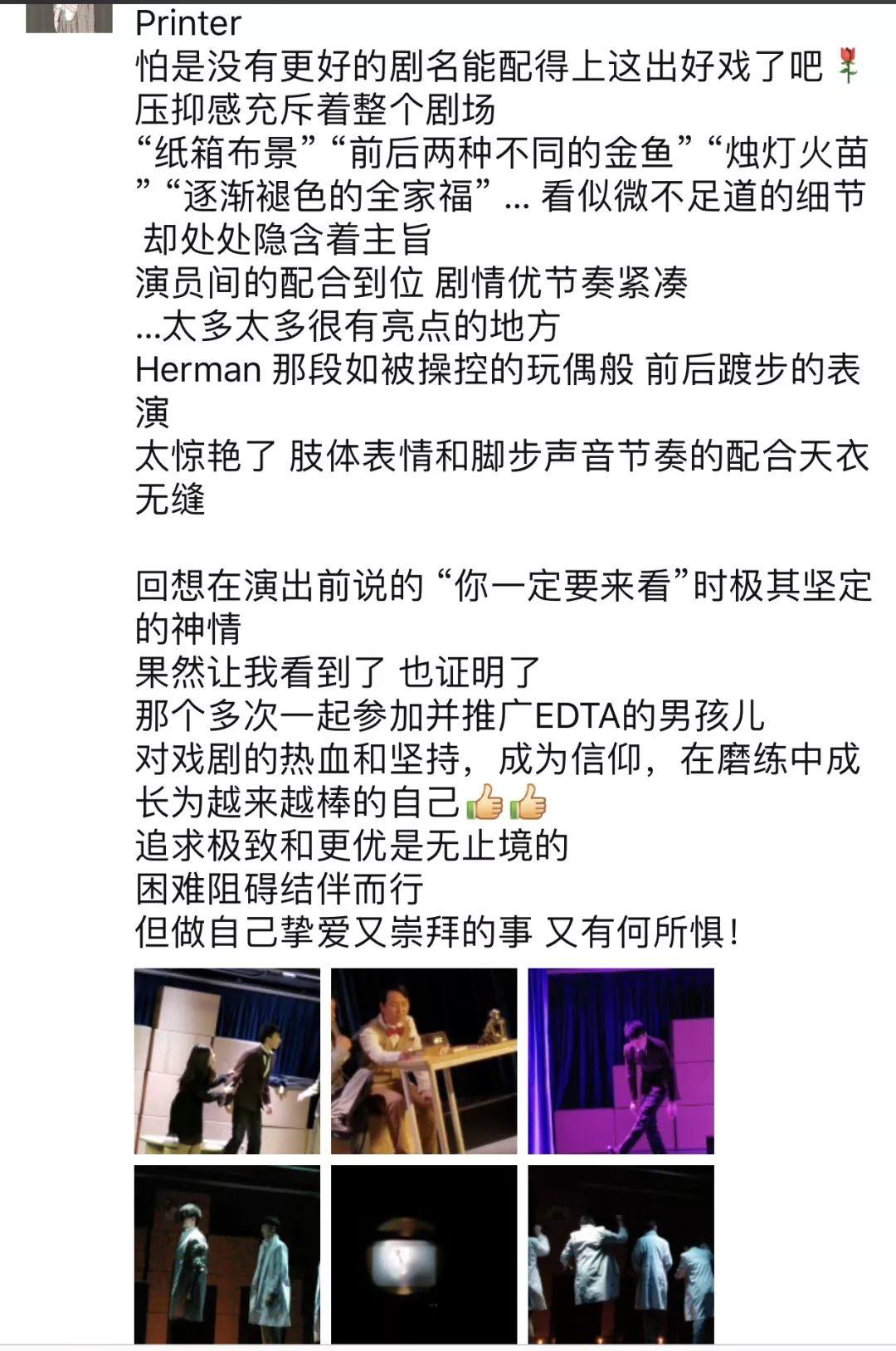
——Teacher Samantha
這是我第二次欣賞DP獨有的collaborativetheatre。對我來說,最有趣的就是看他們怎么把一個非常小的物體或者景象慢慢變成一個非常成熟完整的故事的過程。就如同這次12年級學(xué)長們從一個非常普通的鏡子衍生到一些當(dāng)今熱議的社會現(xiàn)象。同時,每個組員們的完美合作以及細(xì)心編排的劇本,讓我感受到他們對主題的認(rèn)同,以及內(nèi)心的呼吁。作為一名剛剛加入Theatre大家庭的成員,十分感謝學(xué)長們這次完美的示范,讓我更加堅定對DP Theatre的選擇。
——G11 計菲菲 Jessalyn
在表演過程中,學(xué)長學(xué)姐們出色的表演讓臺下所有觀眾都身臨其境,情緒被臺上的演員所帶動。看到他們表演中對語言和動作的把控,可以想象他們付出了多少努力。 相比而言,我們十年級的theater學(xué)生,在平時的練習(xí)中演技和肢體語言的掌握可謂遙不可及呢。看來我們得好好加油,爭取到了12年級能超越學(xué)長。
——10D王燁豐
學(xué)長寄語 Graduate Words
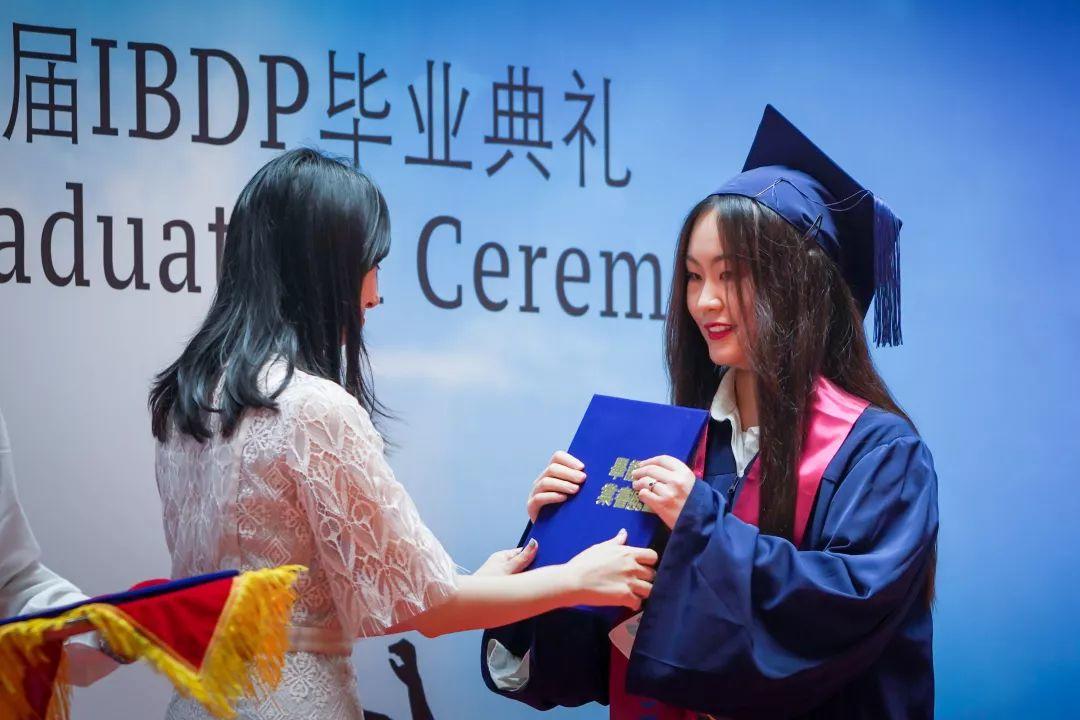
IB戲劇的學(xué)習(xí)收獲在大學(xué)得以延續(xù),之前看似痛苦的各類學(xué)術(shù)research在大學(xué)就是家常便飯。高中時期寫論文的基礎(chǔ)幫助我完美完成了高中到大學(xué)的過渡期。IB戲劇中輸入的許多知識也會在大學(xué)中有許多輸出的機(jī)會。和大學(xué)同學(xué)聊天時他們經(jīng)常會提到高中時期一起制作的音樂劇、話劇等經(jīng)歷,體現(xiàn)了美高在學(xué)生戲劇創(chuàng)造和藝術(shù)發(fā)展上的重視。戲劇不只是一門課程,更是一種文化。而IB戲劇得以讓我們提前從學(xué)術(shù)的角度走進(jìn)這些豐富的文化背景中。希望學(xué)弟學(xué)妹可以認(rèn)真跟著老師規(guī)定的時間節(jié)點走,完成一部分就寫一部分。否則到了最后階段,戲劇的學(xué)習(xí)就變成了沒有靈魂的瘋狂碼字經(jīng)歷。
——Doris Wang
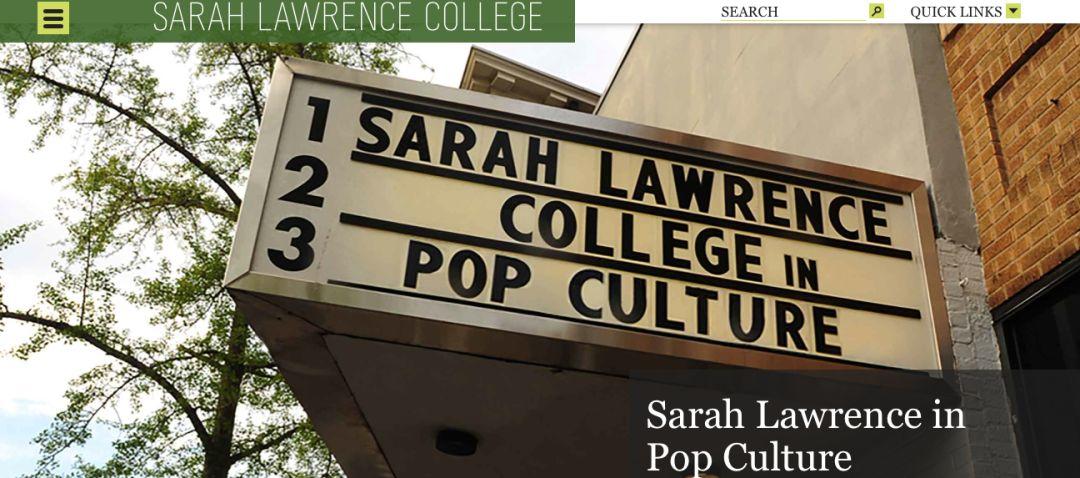
Learning Film, Theater and Literature
In Sarah Lawrence College (US)
老師敲黑板’s Export Words
The Collaborative Project is one of my favourite DP Theatre assessment tasks. Accomplishments in this task and in theatre in general show that students can handle a variety of responsibilities, jobs and pressures. This, along with the confidence needed to perform in front of others, will help them gain self-confidence. Through this project and theatre, students will have the opportunity to develop a growth mindset and the certainty that skills can be developed with patience, perseverance and practice.To me, theatre is life and life is theatre. It’s all about the different lenses that one can look through as a creator, an actor, a director and a designer. It’s not so much a question of what theatre is, but the possibilities of what it could be. Theatre as - an imitation of life, as practice for life, a place where anything is possible, thought provocation, catharsis, storey telling, escapism, an outlet. When students are afforded the opportunity to develop the skill set that theatre requires and to experience theatre for all its possibilities, their lives will be enriched, and they will be better equipped for the future.
Theater Teacher & Subject Leader Kobus