
作為國際生,不論是日常交流,還是知識拓展,乃至學術探討,都需要我們真正地打開全球視野,了解世界上正在發生的事,存在的社會現狀或者社會問題。
近期,TGH刊登了一條關于停火談判的國際新聞評論,講述了身處沖突中的人們正面臨的困境。具體詳情,我們一起了解一下~
Part 01
停火談判讓加沙人情緒復雜
“這是一種心理折磨,”拉法的一名男子說道。“這讓人無法忍受。我們今天被告知戰爭即將結束,明天卻被告知相反的情況。”
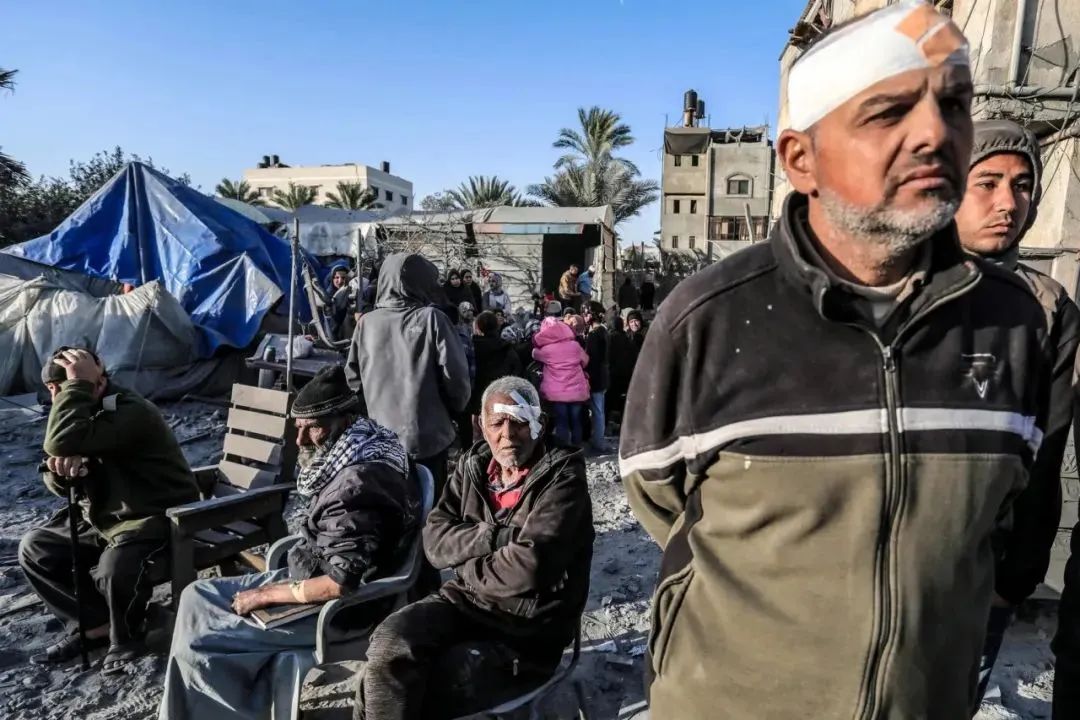
When President Biden suggested last week thata cease-fire was imminent, Khalil el-Halabi was elated.
Mr. Halabi, a 70-year-old retired U.N. official, paraded through a cluster of tents in the city of Rafah in southern Gaza, delivering the news to people displaced by the war, prompting cheers and claps. But the joy didn’t last: The next morning, reports that gaps remained between Israel and Hamas brought him back down to earth.
“It’s a form of psychological torture,” Mr. Halabi said. “It’s unbearable. We’re told one day that the war is ending and then the opposite the next day.”
Palestinians in Gaza, whose lives may depend on a cease-fire, have followed news of indirect talks between Israel and Hamas with rapt attention. But a stream of conflicting reports has sent them on an exhausting emotional roller-coaster as they huddle in crowded apartments, tent cities and shelters.
The tension is especially acute in Rafah, which is densely packed with more than one million displaced people. Israel has repeatedly threatened to invade the city as it tries to root out the leadership of Hamas.
Sign up for the Israel-Hamas War Briefing.The latest news about the conflict.Get it sent to your inbox.
The United States is pressing for a cease-fire to be negotiated ahead of Ramadan, the Muslim fasting month that begins in about a week. On Sunday, Vice President Kamala Harris said a deal was on the table for a cease-fire of at least six-weeks, one that would include the release of hostages held by militants in Gaza and the entry of a “significant” amount of aid. The U.S.-backed proposal is to exchange scores of Palestinian prisoners and detainees for 40 hostages in Gaza, officials say.
But the negotiations appear to be making little progress. Israel refused to send a delegation to talks in Cairo this week.
President Biden said Tuesday that cease-fire talks were “in the hands of Hamas right now,” and a Hamas leader in Lebanonappeared to publicly rejectthe deal, insisting that Israeli hostages would be released only after a cease-fire was in place and Israeli forces have withdrawn, a condition Israel has rejected. But the militant group signaled on Wednesday in a statement that it was still open to negotiations “until an agreement is reached that realizes our people’s interests and demands.”
Nidal Kuhail, 29, a resident of Gaza City who is sheltering in Rafah, said people were closely monitoring their phones and radios for updates on the negotiations, but were growing tired of waiting day after day without a breakthrough.
“We’re oscillating between being happy and then frustrated,” said Mr. Kuhail. “This seesawing in news reports has made the people incredibly confused.”
Those fluctuations have been going on for months, as a series of talks have led to no relief since a seven-day cease-fire in November.
In early February, when reports suggested that Hamas and Israel were nearing a deal, a celebration erupted in the Kuwait Specialty Hospital in Rafah, with people whistling and applauding, said Omar al-Najjar, a volunteer medical intern there.
“The atmosphere was upbeat,” said Mr. Najjar, 24. “People could finally see the light at the end of the tunnel.” But the next morning, newer reports showed that the parties will still far from overcoming their differences, casting a depressed mood across the hospital, he said.
Mr. Najjar said hopes for a cease-fire had been dashed so frequently that many were no longer paying attention to the news. “People have completely lost hope,” he said.
Over the past couple of days, the saga played out again. Arabic news outlets reported “significant progress” only to speak of “difficulties” a day later.
Hazem Surour, 20, originally from northern Gaza, said he had stopped letting news reports get his hopes up after months of Israel and Hamas failing to achieve a deal.
“We seriously need something real, not news reports,” he said. “We can only be patient and pray.”
*內容源自《紐約時報》的新聞報道,完整內容可以點擊原文鏈接了解:
https://www.nytimes.com/2024/03/06/world/middleeast/israel-hamas-gaza-talks-emotion.html
新聞概要
這篇報道,講述了關于加沙地帶的停火談判進展引發了當地民眾強烈的情緒波動。美國總統拜登提出的停火建議曾短暫給予加沙人希望,但隨著談判陷入僵局和媒體報道的反復,人們的希望被不斷粉碎,失望和沮喪情緒彌漫。
文章指出,加沙人因長期沖突和談判失敗而感到疲憊不堪,他們生活在持續的緊張與不確定性之中。國際社會正面臨挑戰,需要找到有效解決沖突的辦法,以減輕加沙人的痛苦并為該地區帶來穩定。
Part 02
TGH編者解析
The article discusses the emotional turmoil experienced by Palestinians in Gaza amid conflicting reports about how cease-fire negotiations have progressed between Israel and Hamas. Adam Rasgon writes about how President Biden's suggestion of an imminent cease-fire initially brought hope to Gazans, and how subsequent reports dashed these hopes, leading to frustration and confusion. The United States is pressing for a cease-fire ahead of Ramadan, proposing a deal that includes the release of hostages and the entry of aid. However, negotiations have made little progress, with Israel refusing to send a delegation to talks in Cairo.
Gazans,weary from months of failed talks, oscillate between hope and despair as they await concrete developments. The article highlights the psychological toll of the ongoing conflict on Gazans, particularly amid the uncertainty surrounding cease-fire negotiations. It underscores the precarious situation faced by Palestinians in Gaza who are living in crowded conditions and facing the threat of Israeli invasion. The repeated cycle of hope and disappointment has led to a sense of hopelessness among the population, with many expressing fatigue and disillusionment with the peace process. The article sheds light on the urgent need for a lasting resolution to the conflict to alleviate the suffering of Gazans and bring stability to the region.
*本段解析來自TGH編者。原文鏈接:
https://www.theglobalhorizon.press/news/details/for-gazanstruce-talks-bring-tangle-of-emotions
解析概要
文章討論了停火談判的進展和相互矛盾的現狀,強調了持續沖突對加沙人造成的心理影響。通過人們的心聲,描繪出了人們正面臨的情緒動蕩和艱難處境。
世界和平是人類永恒的話題,而身處困境的人們正在希望與失望的反復循環中,越來越絕望。
文章從多個角度闡明了迫切需要解決沖突的重要性,揭示了國際社會在解決沖突中所面臨的復雜性和困難性。
從這條新聞中,我們可以感受到社會事件實際充滿了不確定性與復雜性。在分析與探討社會問題時,亦是如此,一定不能用固定的思維模式,我們需要用發展的眼光去看待問題本身以及與之相關的影響因素。
關于TGH
從社會熱點新聞到網絡熱點話題,再到國際關系、教育、經濟等等各領域新趨勢,我們可以在The Global Horizon(TGH)國際青少年發表平臺上獲取更多資訊。了解正在發生的國際新鮮事,也可以從編者解析中,找到分析問題的更多視角與思路,啟發深入思考,鍛煉自身的批判性思維能力。
此外,TGH面向全球青少年,鼓勵學生積極思考、表達觀點,平臺支持多類型文章投稿,特別適合學生搭配課內外各類寫作課程及產出后投稿,是創意寫作/媒體寫作方向學生作為競賽預備鍛煉的不二之選。
探討社會相關話題,關注人文社科領域,那就不得不再次提到HIR《哈佛國際評論》學術挑戰賽,作為一個非常關注社會問題的一項國際文科賽事。
賽事鼓勵學生拓展全球視野,開放探索,勇敢表達,主題始終圍繞著“人類命運共同體”展開,正適合國際生參加討論。
HIR《哈佛國際評論》
夏季賽開始報名!
如果你想鍛煉寫作能力,拓寬全球視野
快來迎接挑戰吧!

更多信息可咨詢顧問
Part 03
關于HIR《哈佛國際評論》
HIR《哈佛國際評論》學術挑戰賽,是全球頂級社科學術期刊《哈佛國際評論》旗下,國際問題研究領域學術競賽標桿。

賽事致力于激發學生思考、探討各類人社科問題。
備戰HIR,與拓寬全球視野,二者恰好相輔相成。都需要大家著眼于世界上發生的事,關注社會現狀與問題,并試著深入分析思考背后的問題。
在多年的備賽經驗中,我們發現很多同學在前期構思的話題時,經常會選用國際上熱門主流事件進行開題,雖然事件很有吸引力,但不排除容易與常規思路雷同的問題,并且與HIR要為少數人發聲的定位不符。
要想脫穎而出,可以嘗試從更小眾的視角著手,由淺入深,去思辨、分析,反映更有深度的問題,而這,也是我們為大家分享各類國際新聞的初衷。
01、賽事特點
賽事一年3次評選。賽方為大家提供了15+領域,自由度高,可選性非常廣泛,是一個非常適合國際生鍛煉寫作能力、培養批判性思維的的文社科寫作競賽。
02、參賽資格
全球9-12年級學生均可參賽
03、2024年度賽事主題
●Theme A:
Inequalities in a VUCA World
●Theme B:
Global Challenges and Collective Actions
想全面了解HIR賽事?想知道怎么備賽?
想要沖刺獎項?
......
有以上問題的同學
可以掃描下方二維碼咨詢顧問老師哦~
我要咨詢HIR夏季賽
更多信息可咨詢顧問









