2024年John Locke論文競(jìng)賽題目公布!約翰洛克論文競(jìng)賽詳情介紹

最近,備受備受關(guān)注的John Locke論文競(jìng)賽終于公布了2024年的題目,讓今年的選手們瞬間緊張起來(lái)。John Locke Essay Competition(約翰·洛克論文競(jìng)賽)是備受"爬藤"學(xué)生關(guān)注的熱門(mén)競(jìng)賽之一,其比賽結(jié)果備受美國(guó)名校認(rèn)可,是含金量非常高的寫(xiě)作競(jìng)賽。每年暑期,該競(jìng)賽吸引了全球最擅長(zhǎng)思考和寫(xiě)作的中學(xué)生參賽,獲獎(jiǎng)選手不乏被哈佛、耶魯、普林斯頓、斯坦福、牛津、劍橋等名校錄取的成功案例。
對(duì)于文科學(xué)生來(lái)說(shuō),該競(jìng)賽是展示寫(xiě)作能力的絕佳平臺(tái);對(duì)于理科學(xué)生來(lái)說(shuō),也能體現(xiàn)文理兼修的一面,因此都具有參加的價(jià)值。John Locke Essay Competition是完美留學(xué)導(dǎo)師們比較推薦的一個(gè)文科類(lèi)競(jìng)賽。去年被耶魯錄取的學(xué)員參加了JL的哲學(xué)和心理學(xué)競(jìng)賽,并獲得了獎(jiǎng)項(xiàng);今年獲得芝加哥全獎(jiǎng)錄取的學(xué)員也獲得了JL神學(xué)全球一等獎(jiǎng)。
該比賽引領(lǐng)學(xué)生去探索七個(gè)學(xué)科分類(lèi)的問(wèn)題,包括哲學(xué)、政治學(xué)、經(jīng)濟(jì)學(xué)、歷史、心理學(xué)、神學(xué)、法律和Junior組別。這為學(xué)生提供了廣泛的學(xué)科選擇,讓他們可以在自己感興趣的領(lǐng)域展開(kāi)探索和寫(xiě)作。
一、參賽要求和關(guān)鍵時(shí)間節(jié)點(diǎn)
1、參賽資格:
所有國(guó)家18歲以下的學(xué)生都可以參與。
高年級(jí)組:截止2024年6月30日,年齡在18歲及以下的學(xué)生;低年級(jí)組:截止2024年6月30日,年齡不超過(guò)15歲的學(xué)生。
2、報(bào)名費(fèi)用:
免費(fèi)(逾期報(bào)名需支付20美元)。
John Locke報(bào)名投稿中【翰林提供報(bào)名服務(wù)】

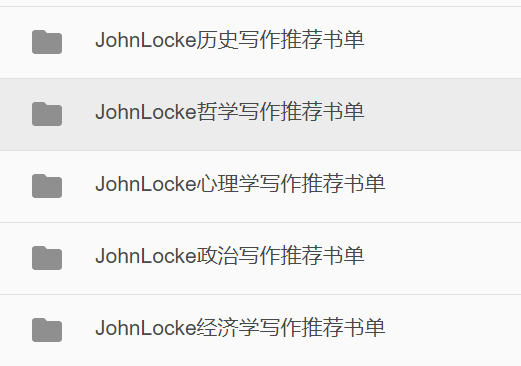
福利:John Locke 推薦書(shū)單(電子書(shū))
3、論文要求:
每個(gè)學(xué)生只能報(bào)名每個(gè)類(lèi)別中的一個(gè)題目,但可以報(bào)多個(gè)類(lèi)別。需要提交不超過(guò)2000的論文(不包括圖表,數(shù)據(jù)表,腳注,參考書(shū)目或作者聲明)。
注意:參賽選手的pdf 文件名必須采用以下格式:FirstName-LastName-Category-QuestionNumber.pdf,例如,Alexander Popham 將使用以下文件名提交他對(duì)心理學(xué)類(lèi)別中問(wèn)題 2 的回答:Alexander-Popham-Psychology-2.pdf,文件名不符合此格式的論文將被拒絕。
4、關(guān)鍵時(shí)間:
開(kāi)始報(bào)名時(shí)間:2024年4月1日(比去年略晚)報(bào)名截止時(shí)間:2024年5月31日23點(diǎn)59分(英國(guó)時(shí)間)提交截止日期:2024年6月30日逾期報(bào)名截止日期:2024年7月10日(逾期參賽將收取20.00美元的費(fèi)用,于7月1日前支付。)入圍通知時(shí)間:2024年7月31日學(xué)術(shù)會(huì)議:2024年9月20-22日頒獎(jiǎng)晚宴:2024年9月21日
5、獎(jiǎng)項(xiàng):
入圍(short-listed):所有入圍選手都可以獲得電子證書(shū);
每個(gè)領(lǐng)域都會(huì)評(píng)出一二三等獎(jiǎng)(各一名),一名世界冠軍,并在每個(gè)領(lǐng)域中選出最佳作品獎(jiǎng)獲得2000美元獎(jiǎng)學(xué)金,可覆蓋John Locke學(xué)院任意課程的學(xué)費(fèi),還會(huì)邀請(qǐng)到牛津參加頒獎(jiǎng)典禮;
所有論文會(huì)評(píng)出一名世界冠軍并獲得10,000美元青年榮譽(yù)獎(jiǎng)學(xué)金,可用于支付參加學(xué)院一個(gè)或多個(gè)夏季學(xué)校或訪問(wèn)學(xué)者項(xiàng)目。
需要注意的是:今年所有參賽選手可能被要求與約翰·洛克研究所的教員討論他們的參賽作品。官方會(huì)用各種手段來(lái)識(shí)別抄襲,欺騙、人工智能的使用和其他形式的欺詐行為。
二、論文題目
1、Philosophy 哲學(xué)
Q1. Do we have any good reasons to trust our moral intuition?
Q2. Do girls have a right to compete in sporting contests that exclude boys?
Q3. Should I be held responsible for what I believe?
2、Politics政治
Q1. Is there such a thing as too much democracy?
Q2. Is peace in the West Bank and the Gaza Strip possible?
Q3. When is compliance complicity?
3、Economics經(jīng)濟(jì)學(xué)
Q1. What is the optimal global population?
Q2. Accurate news reporting is a public good. Does it follow that news agencies should be funded from taxation?
Q3. Do successful business people benefit others when making their money, when spending it, both, or neither?
4、History歷史
Q1. Why was sustained economic growth so rare before the later 18th century and why did this change?
Q2. Has music ever significantly changed the course of history?
Q3. Why do civilisations collapse? Is our civilisation in danger?
5、Psychology心理學(xué)
Q1. According to a study by four British universities, for each 16-point increase in IQ, the likelihood of getting married increases by 35% for a man but decreases by 40% for a woman. Why?
Q2. There is an unprecedented epidemic of depression and anxiety among young people. Can we fix this? How?
Q3. What is the difference between a psychiatric illness and a character flaw?
6、Theology神學(xué)
Q1. “I am not religious, but I am spiritual.” What could the speaker mean by “spiritual”?
Q2. Is it reasonable to thank God for protection from some natural harm if He is responsible for causing the harm?
Q3. Does God reward those who believe in him? If so, why?
7、Law法律
Q1. When, if ever, should a company be permitted to refuse to do business with a person because of that person’s public statements?
Q2. In the last five years British police have arrested several thousand people for things they posted on social media. Is the UK becoming a police state?
Q3. Your parents say that 11pm is your bedtime. But they don’t punish you if you don’t go to bed by 11pm. Is 11pm really your bedtime?
8、JUNIOR prize
Q1. Does winning a free and fair election automatically confer a mandate for governing?
Q2. Has the anti-racism movement reduced racism?
Q3. Is there life after death?
Q4. How did it happen that governments came to own and run most high schools, while leaving food production to private enterprise?
Q5. When will advancing technology make most of us unemployable? What should we do about this?
Q6. Should we trust fourteen-year-olds to make decisions about their own bodies?
以上就是關(guān)于【2024年John Locke論文競(jìng)賽題目公布!約翰洛克論文競(jìng)賽詳情介紹】的解答,如需了解學(xué)校/賽事/課程動(dòng)態(tài),可至翰林教育官網(wǎng)獲取更多信息。
往期文章閱讀推薦:
藤校認(rèn)可度拉滿(mǎn)!2027國(guó)家歷史日(NHD)新賽季時(shí)間線(xiàn)公布!歷史學(xué) / 社會(huì)學(xué)爬藤黨必沖!
直播預(yù)告 | AMC官方教練/NEC金牌導(dǎo)師 助力沖刺新賽季!


翰林AMC8視頻課重磅上線(xiàn)!

國(guó)際競(jìng)賽真題資源免費(fèi)領(lǐng)取






