紐約時報2023社論競賽如何參賽?附往屆優秀作品

如果你積極探索世界,關注社會時事熱點,也期望能在學術活動中提升自己的寫作能力,來了解一下這個能讓文理科生“爬藤”的賽事,抓緊時間準備作品吧!《紐約時報》寫作學術活動系列絕對是含金量非常高的項目。而且還被許多家長熟知。這包括STEM寫作學術活動、文書學術活動、個人陳述寫作學術活動等,歷年都不乏獲獎者被藤校錄取。
今天將著重介紹社論寫作學術活動。
紐約時報的社論寫作學術活動(New York Times Editorial Contest)今年是第十屆舉辦,邀請全球學生對各類社會話題進行思考,寫出正式、簡短、以論據為基礎的說服性文章,類似紐約時報發表的社論。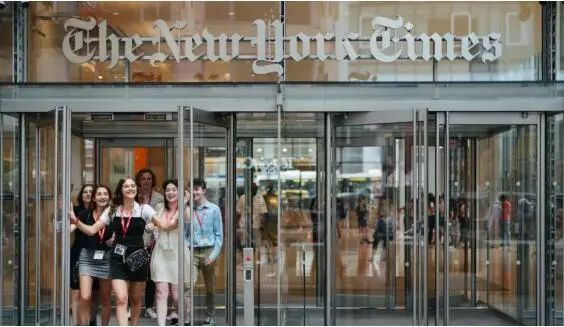 話題可大可小,從國際局勢、種族歧視、氣候變化、校園槍擊,到電玩文化、網絡用語、為什么菠蘿pizza更好吃等等,都可以成為你文章的主題。
通常歷年獲獎作品,不僅有強有力的論據,更重要的是思考深度和感召力。
學術活動優勢
- 議論文長期以來一直是高中教育的主要內容,但是基于證據的議論文寫作卻更是大學的核心。該學術活動可以幫助學生們練習如何搜集對自己的論點有力的證據,這在大學的寫作中是非常重要的。
- 由全球知名媒體《紐約時報》主辦
- 獲獎者的文章將會被The Learning Network發表在印刷版的紐約時報上
適合對象
全球11-19歲對文學評論寫作感興趣的中學生們均可參加,可個人提交作品,也可以團隊名義提交作品(紐約時報工作人員子女不能參加)。
比賽時間
2023年3月15日 - 2023年4月12日
參賽方式
想要參與該學術活動的學生們需要按照規則提交表格。
美國和英國13-19歲的中學生和世界其他任何地方的16-19歲的學生可以自行提交參賽作品:
https://nytimes-learningnetwork.secure-platform.com/a/solicitations/login/49?returnUrl=https%3A%2F%2Fnytimes-learningnetwork.secure-platform.com%2Fa%2Fsolicitations%2F49%2Fhome
成人可以代表 11-19 歲的任何初中或高中學生提交作品
https://nytimes-learningnetwork.secure-platform.com/a/solicitations/login/49?returnUrl=https%3A%2F%2Fnytimes-learningnetwork.secure-platform.com%2Fa%2Fsolicitations%2F49%2Fhome(單個學生)
https://nytimes-learningnetwork.secure-platform.com/a/solicitations/login/50?returnUrl=https%3A%2F%2Fnytimes-learningnetwork.secure-platform.com%2Fa%2Fsolicitations%2F50%2Fhome(多個學生)
學術活動指南
1、選擇一個你關心的話題,并提出一個能說服讀者也關心這個話題的論點。
2、社論不能超過450字,所以要確保論點足夠集中。
3、研究并收集證據來支持你的論點。
獎項設置
冠軍Winners
亞軍Runnerup
榮譽提名獎Honorable mention
最后三輪入圍者(Round 3 Finalists)
獎項會在比賽結束后兩個月內公布。優秀的參賽作品將會被發表于紐約時報的“學與教”專欄(The Learning Network: Teaching and Learning With The New York Times),也有機會在《紐約時報》紙質報紙上發表。
獲獎概率
以2018年的數據為參考,全球有9,275名學生參加比賽,共有132名學生入圍決賽,包括:· 冠軍(Winners):共9名。
自2018年5月24日起,紐約時報將于每個上學日在帖子中發表一篇獲獎的社論;· 亞軍(Runners-Up):共26名。
在發表完所有的冠軍作品后,紐約時報將會把所有的亞軍作品發表在一個帖子中;· 榮譽獎(Honorable Mentions):共38名。Round 3入圍獎(Round 3 Finalists):共59名。
掃碼添加翰林顧問老師咨詢更多紐約時報比賽信息
還能【免費領取】往屆獲獎作品哦!
往屆優秀作品
 We Cannot Fight Anti-Asian Hate Without Dismantling Asian Stereotypes
We are honoring each of the Top 10 winners of our Student Editorial Contest by publishing their essays. This one is by Madison Xu, age 16.
Women at a memorial outside the Gold Spa in Atlanta, where three Korean women were shot and killed on March 16. Related Opinion EssayCredit...Chang W. Lee/The New York Times
By The Learning Network
Published June 15, 2021Updated Oct. 26, 2021
This essay, by Madison Xu, age 16, from Horace Mann School in the Bronx, N.Y., is one of the Top 10 winners of The Learning Network’s Eighth Annual Student Editorial Contest, for which we received 11,202 entries.
We Cannot Fight Anti-Asian Hate Without Dismantling Asian Stereotypes
A few weeks ago, my aunt decided to close the nail salon she had been running for years. Early on in the pandemic, her business was hit hard, regulars refusing to return and associating her salon with the spread of Covid. Now, she fears for the safety of her salon employees — most of them Asian and Asian-American women.
The New York Times has documented a surge of anti-Asian hate crimes during the coronavirus pandemic, including the deaths of six Asian women during the recent mass shooting in Atlanta. These incidents have rightly sparked protests and outrage, yet there can be no effective response unless we look beyond easy explanations. Talk of the former president’s xenophobic rhetoric, or the shooter’s “sex addiction,” only serves to distract from the underlying issue: America’s history of stereotyping, fetishizing and oppressing Asians and Asian-Americans — especially women.
By the 20th century, mainstream media and popular culture had already categorized Asian women into tropes still resonant today, from the hypersexual “Dragon Lady” to the docile “Lotus Flower.” Predating the Chinese Exclusion Act, the Page Act of 1875 made it unlawful for East Asian women to enter the United States without proof that they were “virtuous.” That Asian women were painted as a “moral contagion” becomes even more chilling when juxtaposed with the Atlanta shooter’s claim that the massage parlors were, “a temptation for him that he wanted to eliminate.” Objects of desire easily become objects of hatred. The key: both are things for the dominant class to fetishize, feel entitled to — or dispose of.
By now, many Americans understand how negative stereotypes of Black and Latinx people in the United States have enabled police brutality, anti-immigrant hysteria and violence. However, we tend to react differently to Asian stereotypes. While there are plenty of derogatory tropes (think bad drivers who eat dogs), Asians in this country are often viewed as smart and industrious — a “model minority.” But the truth is, all stereotypes are ultimately dehumanizing, stripping people of their individuality and objectifying them in ways that can lead to shameful violations like the internment of Japanese-Americans during World War II.
Perhaps most dangerously, stereotypes like the submissive “Oriental” serving girl create artificial roles that women are forced to play, or to be punished for “not knowing their place.” When the dominant class feels threatened, even model minorities suddenly become invading Others, the alien “them” displacing “us” and threatening what is rightfully “ours.”
Until we stop regarding Asian stereotypes and the fetishization of Asian women as innocuous, Asians and Asian-Americans will continue to face the threat of racist violence. Recognizing that anti-Asian prejudice is deeply rooted in American history is the first step toward dismantling those dangerous stereotypes.
Works Cited
Jeong, May. “The Deep American Roots of the Atlanta Shootings.” The New York Times, 19 March 2021.
Lang, Cady and Paulina Cachero. “How a Long History of Intertwined Racism and Misogyny Leaves Asian Women in America Vulnerable to Violence.” Time, 7 April 2021.
以上就是關于【紐約時報2023社論競賽如何參賽?附往屆優秀作品】的解答,如需了解學校/賽事/課程動態,可至翰林教育官網獲取更多信息。
往期文章閱讀推薦:
AMC/BPhO/UKChO…下半年20+賽事集中開考!抓住競賽"黃金備賽期"!
藤校認可度拉滿!2027國家歷史日(NHD)新賽季時間線公布!歷史學 / 社會學爬藤黨必沖!


翰林AMC8視頻課重磅上線!

國際競賽真題資源免費領取






