IB DP Chemistry: HL復習筆記7.1.3 Equilibrium Constant Relationships

Equilibrium Constant Relationships
In the previous section we saw that the concentrations of the substances are raised to the?power of the coefficients?from the balanced equation
This means the?Kc?expression?is dependent on a specific equation
For example, take the reaction between nitrogen and hydrogen to make ammonia
?N2(g)??? +??? 1?H2(g)? ?? ? ?NH3(g)
The?Kc?expression for this reaction is:

If you double the stoichiometry the equation becomes
N2(g)??? +??? 3H2(g)? ? 2NH3(g)
The new?Kc?expression for this reaction is then:

What is the relationship between these two?Kc?values? You can probably see that when we double the coefficient the new?Kc is the square of the original value:

If we reverse the equation:
2NH3(g)?? N2(g)??? +??? 3H2(g)
Kc? becomes the reciprocal of the original Kc?value:

Test your understanding in the following example:
Worked Example
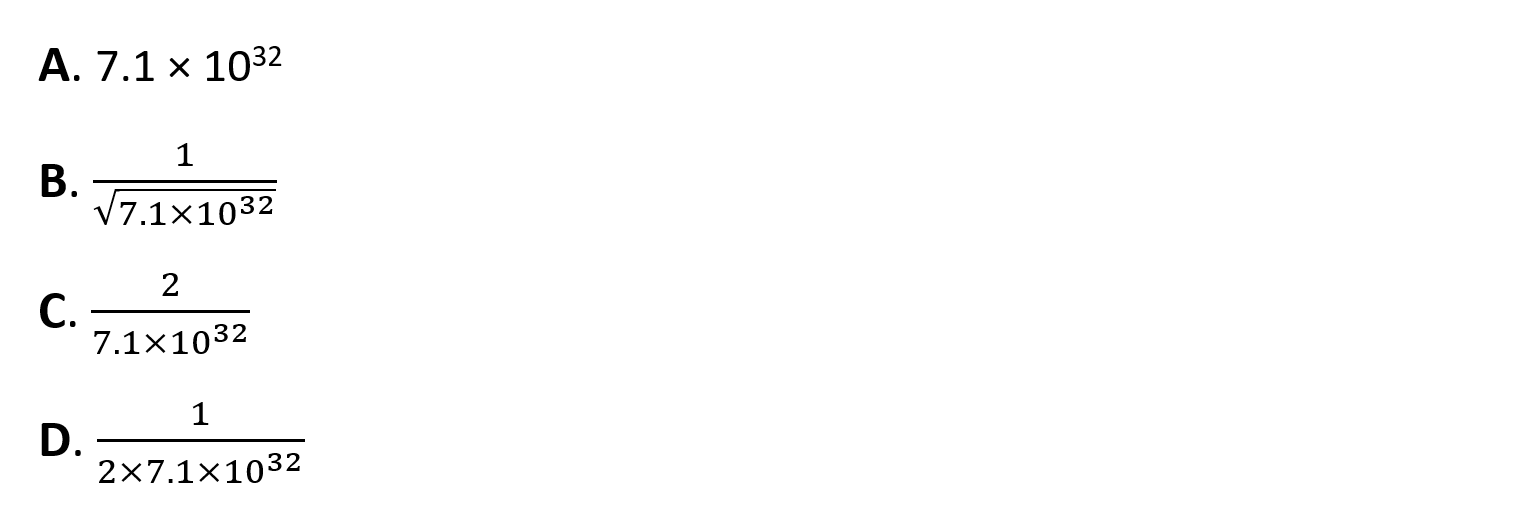
Kc?for 2NO2?(g) + F2?(g) ? 2NO2F (g) is 7.1 × 1032What is?Kc?for the following reaction, at the same temperature?
NO2F (g) ?? NO2?(g) + ?F2 (g)
Answer:
The correct option is?B.
The original equation has been reversed and halved, so the?Kc?value must be square rooted and inverted to obtain the reciprocal
Exam Tip
You must use square brackets in equilibrium constant expressions as they have a specific meaning, representing concentrations. In an exam answer you would lose the mark if you used round brackets
轉載自savemyexams
以上就是關于【IB DP Chemistry: HL復習筆記7.1.3 Equilibrium Constant Relationships】的解答,如需了解學校/賽事/課程動態,可至翰林教育官網獲取更多信息。
往期文章閱讀推薦:
翰林獨家 | 經濟學競賽核心精講,一冊打通NEC/IEO/USAEBO!
2026 AMC10/12美國數學競賽新賽季!【翰林教育 × 清華大學出版社】獨家教材全面發售!


翰林AMC8視頻課重磅上線!

國際競賽真題資源免費領取






