國際學校生物課也可以這么好玩!

◆ 6月10日,《Science》子刊發布了關于細胞在面臨癌變危險時如何向身體發出警報的新見解,為尋找可能的治療方法打開新的大門。英國劍橋癌癥研究所名譽顧問、臨床科學家Matthew Hoare博士說:“生命科學的發展永無止境,21世紀是生命科學發展的黃金時代。”可以說,未來人類社會的發展就是生命科學的發展。
On 10th June 2019, the Science series published new insights into how cells can alert our body when faced with cancerization, marking the new chance to the possible treatment for cancer. Dr Matthew Hoare, Clinician Scientist and Honorary Consultant of CRUK Cambridge Institute says that the development of Bioscience is an ongoing process, and the 21st century is the golden age for its development. That is to say, the development of our future society is the development of Bioscience.
科學探究社
the Scientific Research Club
為了不斷激發更多青少年的科學熱情,培養探索精神,蘇州外國語學校相城校區國際高中部成立了科學探究社。
In order to inspire teenagers’ passion about science learning, and foster their spirit of inquiry at a younger age, the Scientific Research Club of the SCFLS Senior High School is thus established for our students.
科學探究成果展示
Scientific research
科學探究,是學生積極主動地獲取知識、認識和解決問題的重要實踐活動。它涉及提出問題、猜想與假設、制訂計劃、進行實驗、收集證據、解釋與結論、反思與評價、表達與交流等要素。
蘇州外國語學校相城校區國際高中部科學探究社給學生制造了一個思考科學問題和解決科學問題的空間。
接下來,讓我們走進科學實驗室,看看他們的科學探究成果吧!
Scientific research is an important practice for students to initiatively acquire knowledge, identify and solve problems. This process involves the key elements such as “Defining Problem and Research, Hypothesis, Develop the Instrumentation Plan, Collect Data, Analyze and Draw Conclusions, Reflection and Evaluation, Expression and Communication”. Our Scientific Research Club allows the students to think about and solve some scientific problems. So now, let’s walk into the Science Laboratory to see how their research is going!
問題1:如何用簡單的方法收集氧氣?
Question 1: How to collect Oxygen in a simple way?
早在17世紀,科學家們就發現了光合作用的存在,而氧氣便是光合作用的產物之一。剛剛學習過光合作用的同學們很快便想到了通過綠色葉片來獲取氧氣,但如何收集呢?起初這個問題難倒了好多同學,在經歷了一次次的討論和改進之后,他們終于如愿收集到滿滿一試管的氧氣。
Early in the 17th century, the scientists have already discovered the existence of photosynthesis. Oxygen is one of the products of photosynthesis. The students have just learned about this unit, so they easily came up with the idea to produce oxygen by using green leaves, but how to collect it? Many students were stuck on this problem at the very beginning, but after several rounds of discussion and trials, they finally succeeded to collect a full test-tube of oxygen.
問題2:花粉粒的結構?
Question 2: What’s the structure of pollen grain
春天的時候,萬物復蘇,很多花都會逐漸開放,這個時候是人最容易過敏的時候,許多人也都有過花粉過敏的經歷。帶著對花粉的好奇,同學們走進實驗室,將花苞解剖,取出花粉,在40倍顯微鏡下一步步揭開了花粉粒的神秘面紗。
Spring is the time when people can easily catch hay fever because of the blossom. In order to disclose the mystery behind pollen, the students walked into the laboratory, dissected the bud, extracted the pollen and observed the structure under the 40x microscope.
問題3:如何提取葉綠素?
Question 3: How to extract chlorophyll?
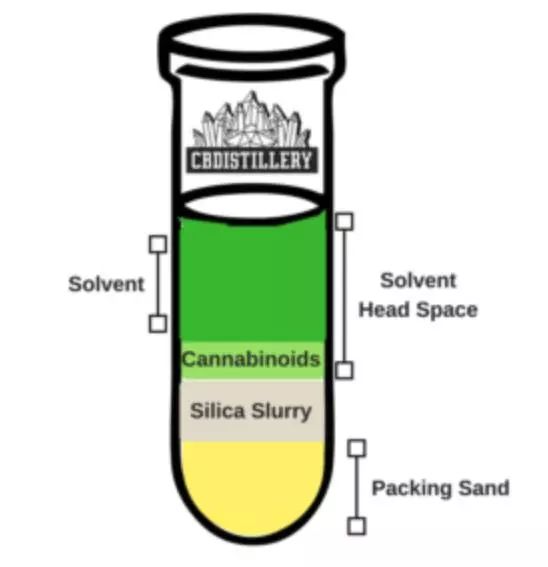
大量的研究報告指出,幾乎所有的合成色素都不能向人體提供營養物質,某些合成色素甚至會危害人體健康,近年來,天然色素越來越受到人們的青睞。葉綠素作為最常見的天然色素之一,自然成了實驗室提取色素的首選材料。同學們親自取材,碾磨,抽提,最后通過靜置分層可以清晰的看到葉綠素的四種成分。
A large number of reports have pointed out that almost all the synthetic pigment cannot provide nutrition to our body. Some of them may even endanger our health. In recent years, the natural pigment has won a large popularity. As one of the most common natural pigment, chlorophyll is the most preferred material in laboratories. Our students could clearly see the four ingredients of chlorophyll by the following steps: picking, grinding, extracting and static layering.
學生通過親身經歷和體驗科學探究活動,不僅可以激發學習的興趣,增進對科學的情感,同時也可以學習科學探究的基本方法,初步形成科學探究的基本能力。
By experiencing the scientific research activities in person, students’ interest in learning science can be greatly inspired. Meanwhile, they could also learn some basic approaches of carrying out scientific research, thus preliminarily forming their scientific research abilities.
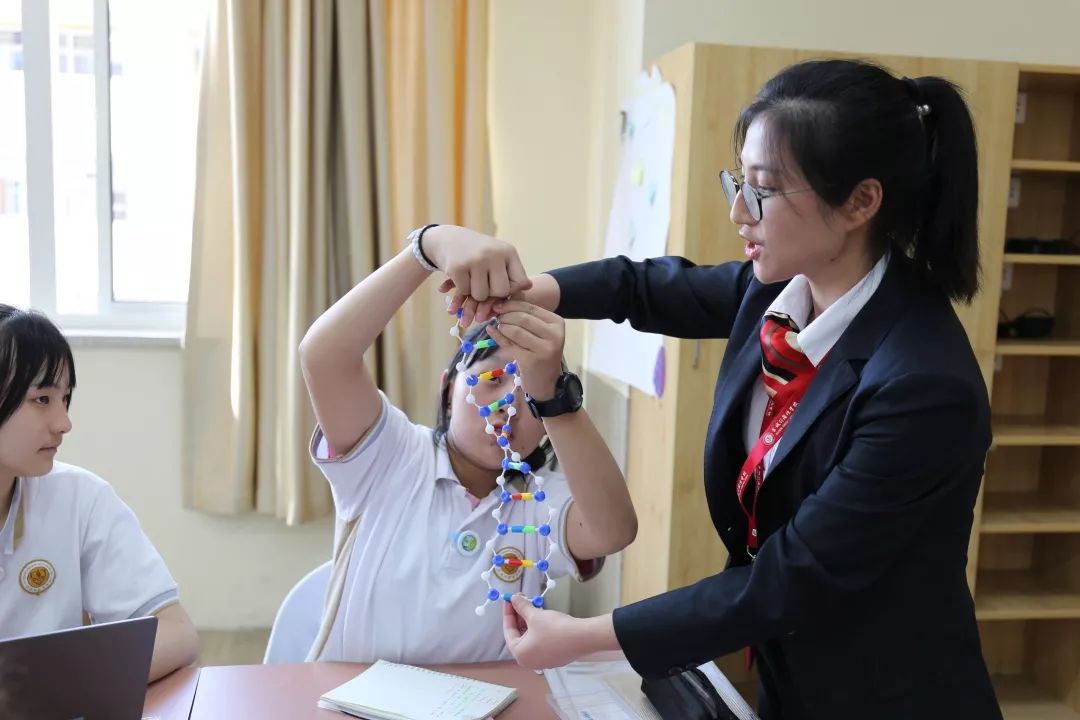
科學探究社的導師Raina,有8年的科研經歷,是一名DP生物雙語教師。她認為:“科學探究活動對發展學生的科學素養具有不可替代的作用。
With eight years of scientific research experience, Ms. Raina, tutor of the Scientific Research Club and a bilingual DP Biology teacher, firmly believes that scientific research plays an indispensible role in developing students’ scientific attainments.
下面,跟著Raina老師一起來了解下DP生物這門課吧!
通過學習DP生物這門課,學生可以了解科學家如何相互工作和交流。科學研究的方法多種多樣,但通過實驗證實方法的有效性是科學的特征。教師為學生提供設計調查,收集數據,開發技能,分析結果,與同伴協作以及評估和交流的機會。
DP生物學課程的目標是使學生能夠
1.通過激發自我挑戰,在全球范圍內感知科學研究和創造力;
2.獲得一系列科學和技術特征的知識,方法和技巧;
3.應用和使用一系列科學和技術特征的知識,方法和技巧;
4.培養分析、評估和整合科學信息的能力;
5.培養對科學活動期間有效合作和溝通的必要性和價值的認識;
6.開發實驗和調查科學技能,包括使用現有技術;
7.在科學研究中發展和應用21世紀的溝通技巧;
8.作為全球公民,對使用科學和技術的倫理影響具有批判意識;
9.了解科學技術的可能性和局限性;
10.了解科學學科之間的關系及其對其他知識領域的影響。
By studying biology in the DP, students should become aware of how scientists work and communicate with each other. While the scientific method may take on a wide variety of forms, it is the emphasis on a practical approach through experimental work that characterizes the sciences. Teachers provide students with opportunities to design investigations, collect data, develop manipulative skills, analyse results, collaborate with peers and evaluate and communicate their findings. Through the overarching theme of the nature of science, the aims of the DP biology course are to enable students to:
1. appreciate scientific study and creativity within a global context through stimulating and challenging opportunities
2. acquire a body of knowledge, methods and techniques that characterize science and technology
3. apply and use a body of knowledge, methods and techniques that characterize science and technology
4. develop an ability to analyse, evaluate and synthesize scientific information
5. develop a critical awareness of the need for, and the value of, effective collaboration and communication during scientific activities
6. develop experimental and investigative scientific skills including the use of current technologies
7. develop and apply 21st century communication skills in the study of science
8. become critically aware, as global citizens, of the ethical implications of using science and technology
9. develop an appreciation of the possibilities and limitations of science and technology 10.develop an understanding of the relationships between scientific disciplines and their influence on other areas of knowledge.
評估模式
Assessment model
本課程的目的是讓學生能夠實現以下評估目標
1.展示對以下方面的知識和理解:
?事實,概念和術語
?方法和技術
?傳播科學信息
2.申請:
?事實,概念和術語
?方法和技術
?傳播科學信息的方法。
3.制定,分析和評估:
?假設,研究問題和預測
?方法和技術
?主要和次要數據
?科學解釋。
4.展示進行富有洞察力和道德調查所需的適當研究,實驗和個人技能。
It is the intention of this course that students are able to fulfill the following assessment objectives:
1. Demonstrate knowledge and understanding of:
? facts, concepts, and terminology
? methodologies and techniques
? communicating scientific information.
2. Apply:
? facts, concepts, and terminology
? methodologies and techniques
? methods of communicating scientific information.
3. Formulate, analyse and evaluate:
?? hypotheses, research questions and predictions
?? methodologies and techniques
?? primary and secondary data
?? scientific explanations.
4.Demonstrate the appropriate research, experimental, and personal skills necessary to carry out insightful and ethical investigations.
Assessment at a glance
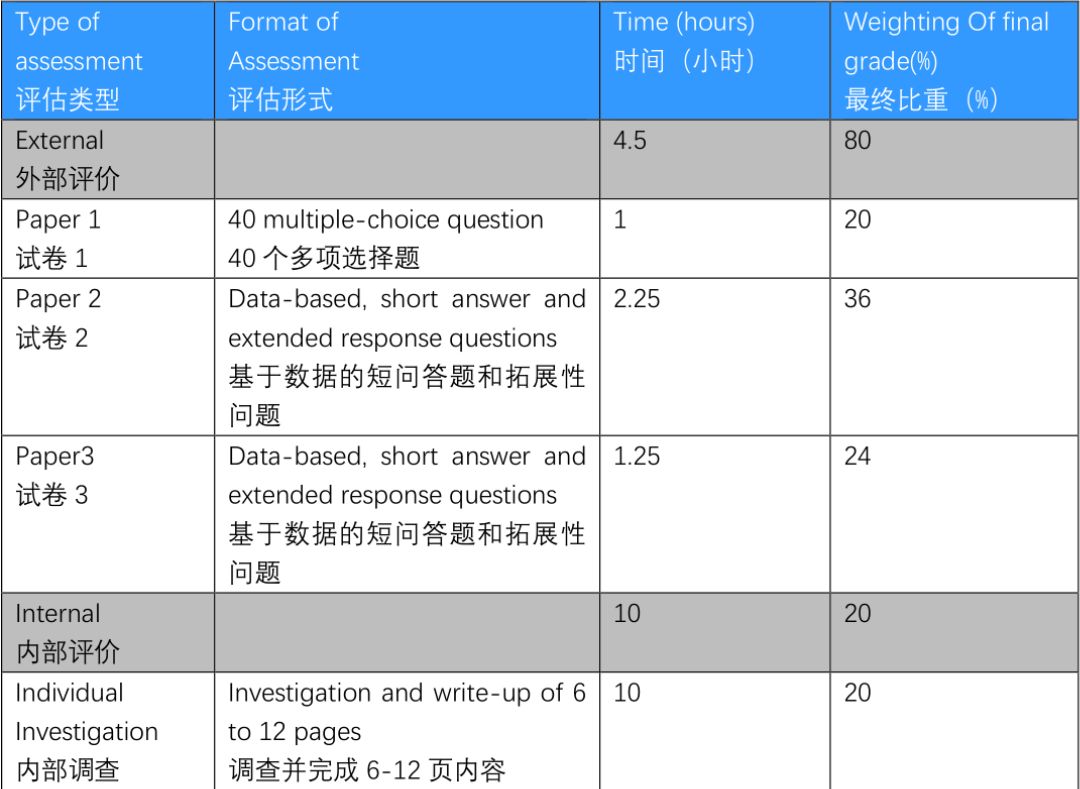
以上就是關于【國際學校生物課也可以這么好玩!】的解答,如需了解學校/賽事/課程動態,可至翰林教育官網獲取更多信息。
往期文章閱讀推薦:


翰林AMC8視頻課重磅上線!

國際競賽真題資源免費領取






