做孩子的知心導師 | 清華附中國際部第十五期家長學校回顧

講座概況
Summary
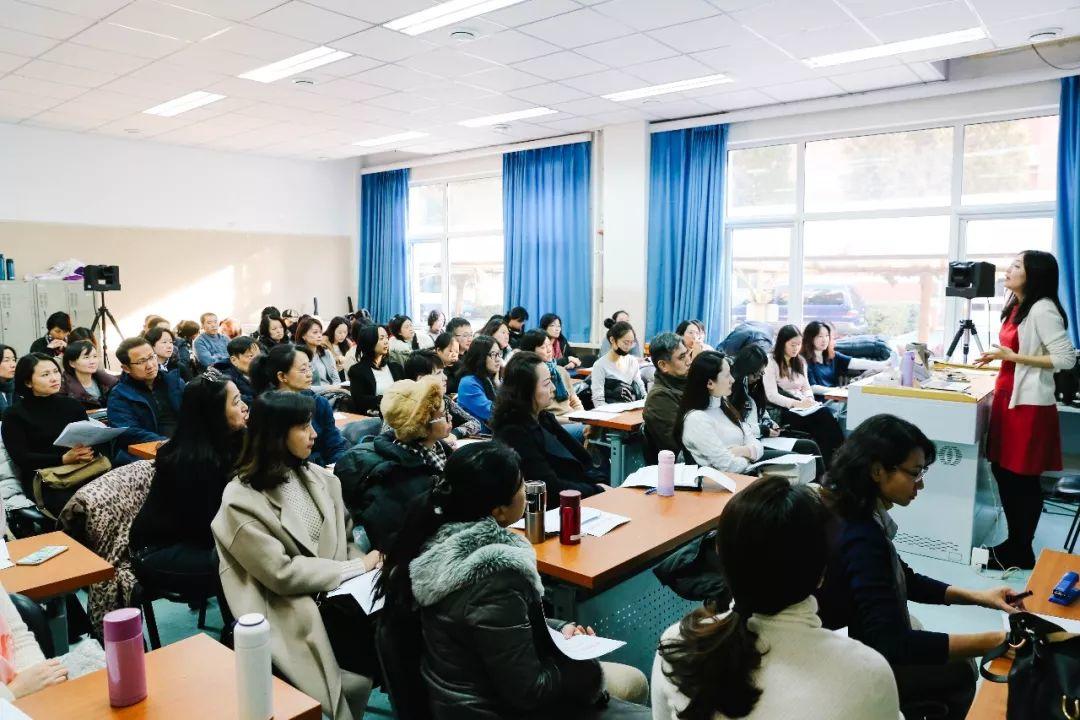
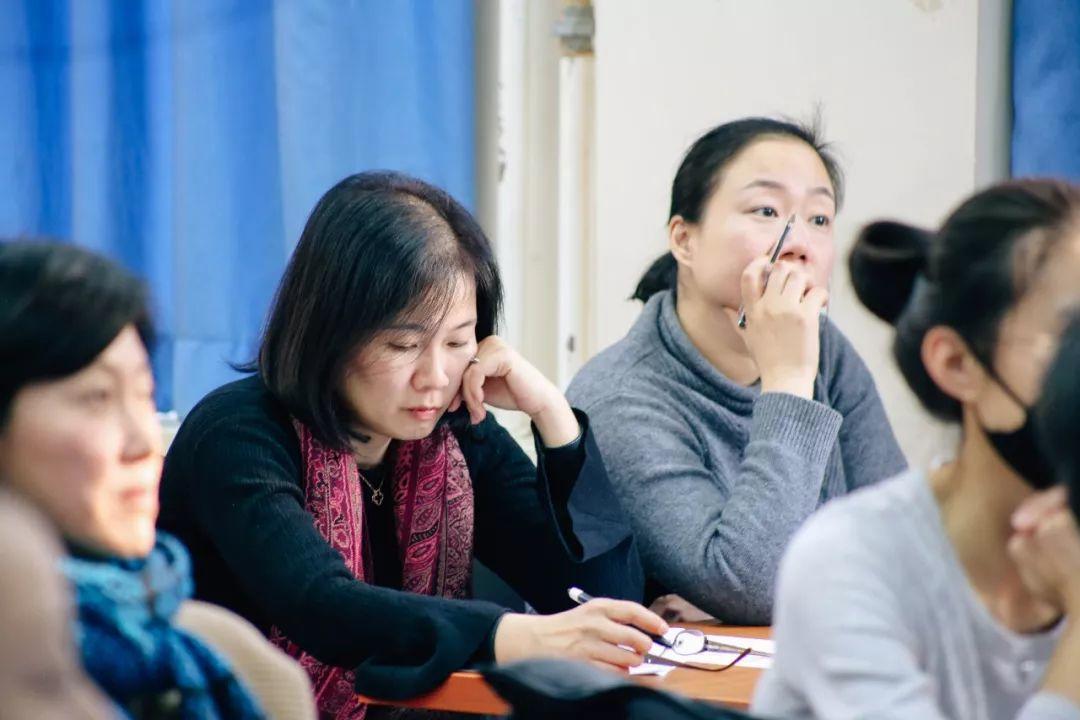
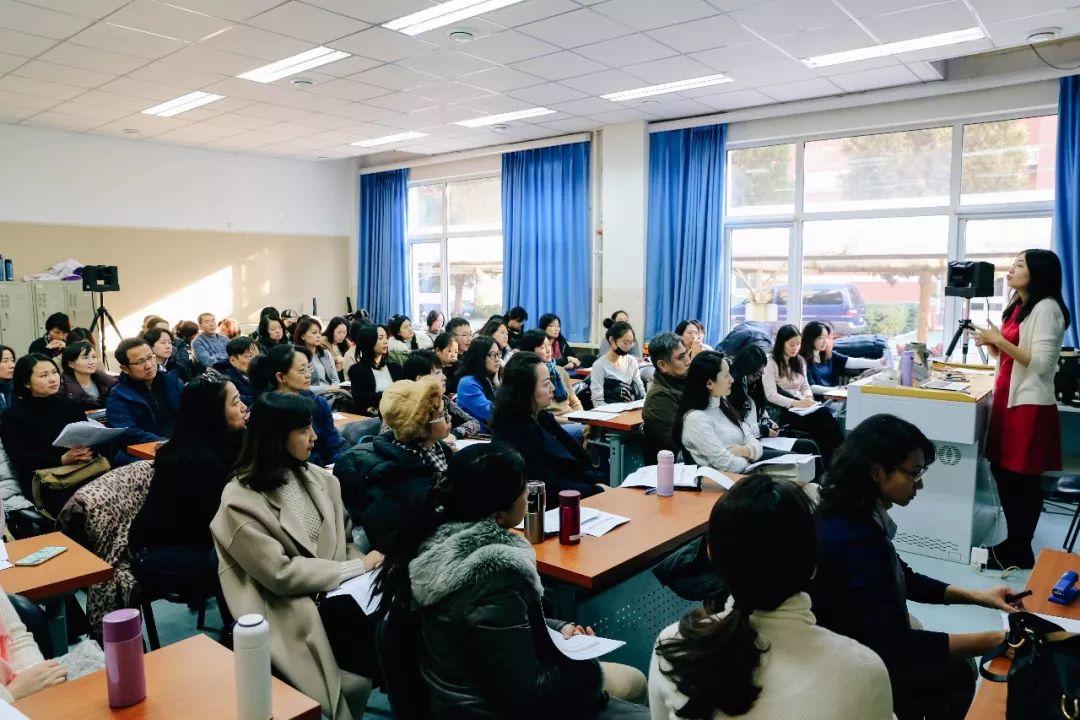
2019年12月6日,清華附中國際部第十五期家長學校如期開講。繼前兩次陳開航老師主講的家長學校后,家長們更加感受到學習的饑渴和迫切,行政樓104房間座無虛席,過道里都加滿座位。本期講座的主題是《做孩子的知心導師》。開航老師演講的內容都來自于孩子和家長們日常面對的挑戰,其中包括:如何幫助孩子處理情緒、如何與孩子建立親密的親子關系、如何幫助孩子進行時間管理、如果孩子在學校被欺負了家長該怎么辦、如何建立孩子的自尊和自信。
On December 6, 2019, the fifteenth lecture of THIS Parent School was held as scheduled. After the last two Parent School lectures which were delivered by Ms. Chen, the parents were eager to learn more- all the seats in 104 were full! The theme of this lecture was to “How to be a Good Mentor for Children.” Subtopics were as follows: daily challenges faced by children and parents, how to help children deal with emotions, how to establish closer parent-child relationships, how to help children with time management, what to do if children are bullied at school, how to build children's self-esteem and self-confidence.
講座紀實
Lecture Record
主題一 | 情緒處理
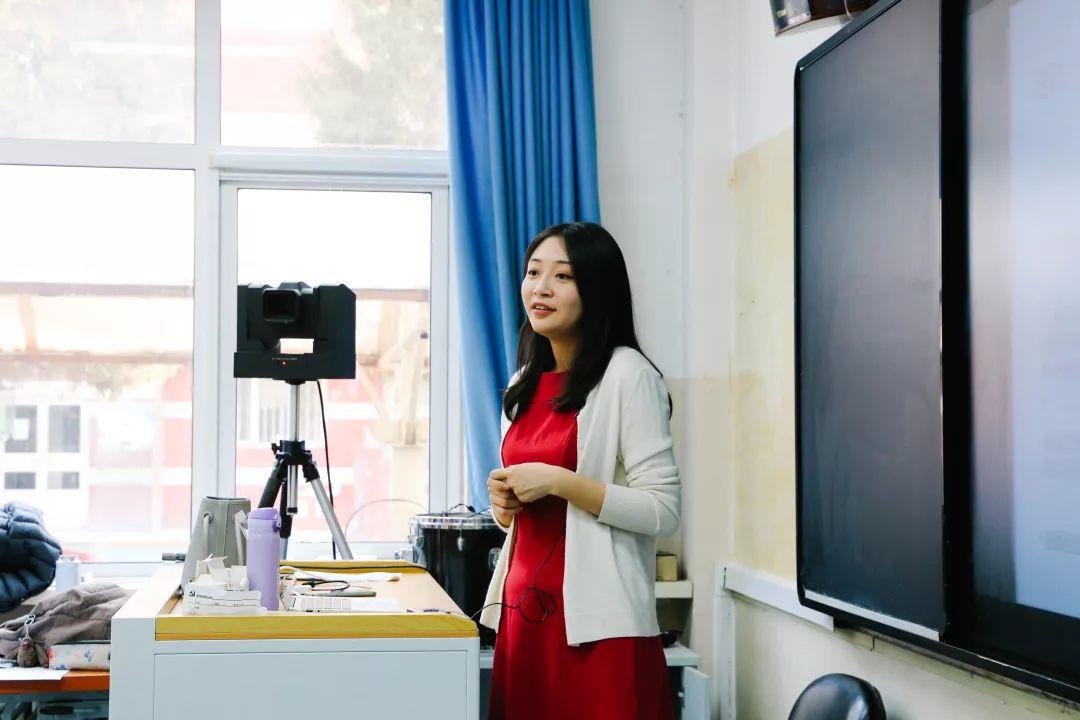
在情緒處理這個主題,開航老師首先復習之前講過的“反映性回應技術”,針對家長回家后的實操情況進行點評。指出這個技術旨在“看到、看懂”孩子,使用陳述句回應(比如:你看起來很難過;你現在真的很生我的氣,而不是對孩子進行提問)能夠讓孩子感到被理解,有助于拉近親子關系。接著,開航老師為家長們解讀如何區分和應對孩子的兩種情緒狀況--發脾氣和情緒崩潰。發脾氣是一種比較“通常”的情緒失控狀況,家長在家中就能夠很好的應對和管理。崩潰則是孩子情緒非正常的一種表現,需要更加專業的幫助。發脾氣是孩子想要通過情緒來達到某種目的,家長不應被孩子激怒,而是平靜的陪伴孩子,溫和且堅定的堅持之前與孩子一起確定好的界限,讓孩子承擔起自己的責任。比如:孩子因為不滿意手機的使用規則而發脾氣,哭鬧不肯上學。這時,家長能做的是冷靜下來,讓孩子自己應對上學遲到帶來的麻煩。
Ms. Chen first introduced the idea of "reflective response skills" as a way to address emotional management. She pointed out that this skill aims to "see and understand" children. The use of declarative sentences (for example: you look sad; you are really angry with me now, rather than asking questions) can help make children feel understood. Then, Ms. Chen explained how to distinguish and deal with the two emotional situations of children: losing temper and emotional breakdown. Children lose their temper when their needs are not satisfied or they feel hopeless or misunderstood. Under this circumstance, parents should not respond with anger but instead, stay firm and gentle, adhere to the boundaries they created, and let children bear their own responsibilities. For example, if a child is angry and refuses to go to school because the mobile phone usage rules are not satisfactory, don't worry, accompany the child and let him deal with the trouble of being late for school.
主題二 | 建立親密的親子關系
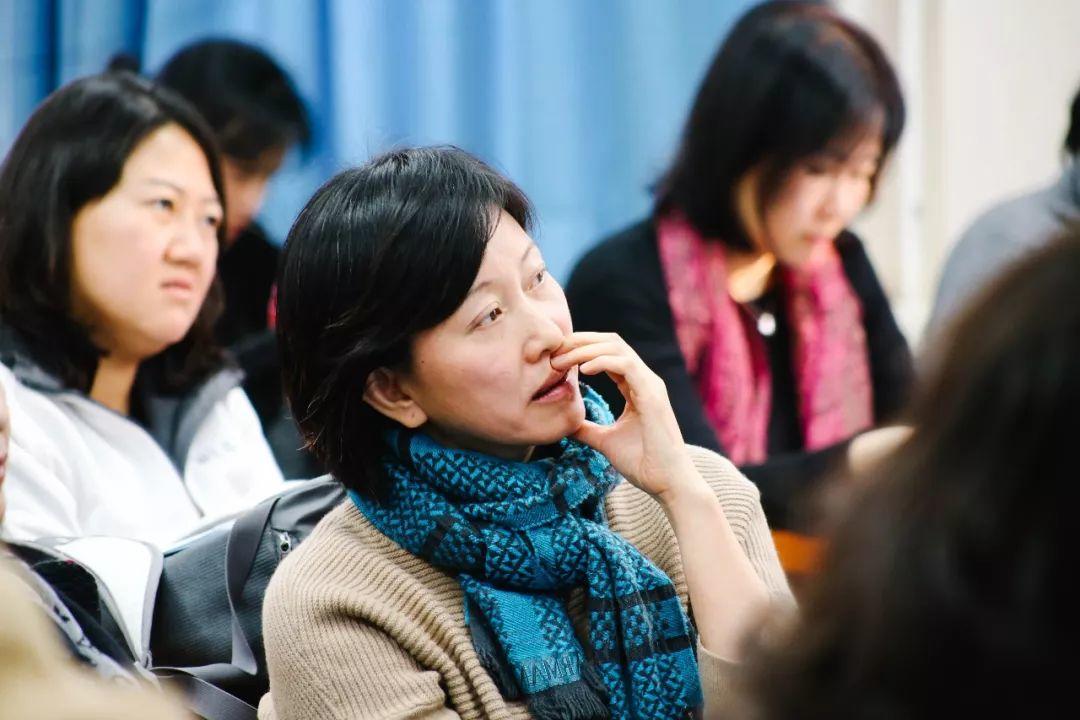
與情緒管理密切相關的話題是如何建立親密的親子關系。開航老師表示,當孩子向家長宣泄煩心事時,正是家長走進他們內心的良機,但一定要注意以下幾點:Ms. Chen provided many useful tips on establishing intimate parent-child relationships, a topic that is closely related to emotional management. When children vent their anger to parents can rely on some of the following rules:
1不要著急提建議!(重要的事情說三遍)Don't rush to make suggestions.
2對孩子而言,比父母說了什么更重要的是父母的態度。
For children, parents’ attitude is more important than their response.
3“你為什么這樣覺得”不是一個好回應。
"Why do you think so" is not a good response.
4“反映性回應” 可以讓孩子感到被理解,幫助他們疏解情緒。
"Reflective response" can make children feel understood and their emotions can be well relieved.
5支持孩子的感受和需要,哪怕家長不支持他的行為。
Support child's feelings and needs, even if parents don't support his/her behavior.
此外,開航老師拿出了“四大法寶”幫助家長更好的拉近親子關系:
The following procedures given by Ms. Chen can turn out to be magic weapons when building the parent-child relationship.
1全神貫注地傾聽
Listen attentively.
2用“嗯”“這樣啊”來回應孩子的感受
Respond to the children's feelings with "um" and "ah like this".
3肯定并說出孩子的感受“這件事讓你很難過”Affirm the children's feelings. ("it's very sad for you.")
4用“做白日夢”的方式實現他們的愿望“要是中文老師不留那么多作業該多好啊”。
Realize their wishes with "daydream" method. ("if the Chinese teacher doesn't leave so many homework.")

主題三 | 時間管理
在如何幫助孩子進行時間管理、提高學習效率這個主題中,開航老師講授了番茄時間管理法。當孩子有多項作業時,先幫助孩子列出作業任務清單;預估每項任務需要的時間(每半小時叫做一個“番茄時間”,其中包含25分鐘專注學習和5分鐘休息);畫出需要的番茄個數;學習結束后用顏色標注出已經完成的“番茄”。通過預估時間,將任務和時間單位化,孩子可以逐漸培養起時間意識和成就感;比較預估的番茄數和實際使用的番茄數,孩子的學習效率變得一目了然。
Ms. Chen then introduced the tomato time management method to help kids with problems organizing and managing their time. When the child faces multiple assignments, parents can help them make a task list. Then, estimate the time required by each task (every half an hour is called a "tomato time", which includes 25 minutes of focused learning and 5 minutes of rest) and then draw the estimated number of tomatoes. After finishing all the tasks, mark the completed "tomato" with color. By estimating time, dividing tasks and time into small units, this method can cultivate a child’s time awareness and a sense of achievement. Besides, after comparing the estimated number of tomatoes with the actual number of tomatoes used, parents can also keep track of what is actually happening/ what tasks are being completed.
主題四 | 預防霸凌
如果孩子在學校被欺負了家長該怎么辦?欺負和沖突是兩件事,要分別對待。如果孩子真的受到欺負(欺凌),成年人需要介入和幫助。不要告訴孩子被欺負是成長中的挫折訓練(有些欺負不會自動復原,也不會讓人更堅強)。對于如何預防校園欺凌的出現,開航老師給出以下建議:What should parents do if their children are bullied at school? Bullying and conflict are two things that need to be treated separately. If a child is bullied, adults need to step in and help. Don't tell your child that being bullied is a setback in growth. Bullying can cause long term difficulties and it is not something that makes our children stronger. Ms. Chen gave some practical ways to manage bullying:
1教導孩子以平等、相互尊重、允許差異、不追求贏者為王的價值觀相處(校園欺凌中容易受傷的孩子是那些在意別人看法的孩子)。
to cultivate the values of equality, mutual respect, allowing differences, not pursuing the winner as the king.
2多了解孩子的交友情況,提升孩子的交友能力。
to learn more about children's friendships and improve their ability to make friends.
3與孩子談談怎么做才是真正的強者,如何面對比自己強的人。
to talk with children about how to be a real strong person, and what can be done when others are better than themselves.
4與孩子談談什么是校園欺凌并表明家長的態度,與孩子討論應對校園欺凌的方法。
to talk with children about what is bullying on campus and the ways and attitudes to deal with it.
主題五| 建立自尊與自信
開航老師在講座中給出如下方法,幫助孩子建立自信和自尊:How to help children build self-confidence and self-esteem?1使用選擇給予法(又稱邏輯后果法),培養孩子負責任和做決定的能力。家長需要提供適合孩子生理和心理發展階段的選擇,大孩子大選擇,小孩子小選擇。給孩子做選擇的空間和自由,因為自由帶來責任,責任帶來責任感。
to cultivate in children the ability to be responsible and make decisions by using the method of Choice Giving (also known as the Logical Consequence method). Parents should provide choices that suit children’s physical and psychological age. The choices need to be accepted by both two parties since children are more likely to follow the decisions they make themselves. Give children the space and freedom to choose. Freedom brings responsibility, responsibility brings commitment.
1幫助孩子發展出積極的“自我”感,不僅要給孩子無條件的愛和接納,還要讓孩子通過嘗試獲得勝任感,永遠不要代替孩子做他們力所能及的事情。
to help children develop a positive "self" image. Parents not only need to give children unconditional love and acceptance, but also to help children gain a sense of success by allowing them to try things on their own.
2家長可以給孩子做一個積極品質海報,識別和贊賞孩子身上的閃光點。
to make a positive quality poster for children, identifying and appreciating the good traits of their children.
家長提問摘要
Summary of Q&A
Q:孩子十年級了,沒有什么話愿意和媽媽講,總是想早點離開家,媽媽該怎么辦?My child is currently in the tenth grade. He has nothing to say to me and repeatedly said that he wants to leave home. What should I do?
A:繼續多陪伴孩子,建立關系。和孩子閑聊就好,避免帶目的性的聊天。To spend more time with him and build relationship. It's good to chat with you child and avoid purposeful conversations.
Q:孩子10歲,近期表現出很大的情緒波動,有時放學路上突然生氣不理媽媽,自己就先沖回家去了,到家后又沒有事了,這是什么原因,媽媽該怎么辦?
My child (10 years old) has shown great mood fluctuation recently. Sometimes when I picked him up at school, he suddenly becomes angry and rush home alone. But afterwards, he becomes OK. What's the reason? What should I do?
A:孩子接近青春期情緒變化大很正常。首先兩件事讓家長很欣慰,孩子有自我控制(他走回家而不是去別的地方)另外他的情緒能夠自行平復下來。這種情況家長做好心理準備就好,孩子的情緒起伏不一定是針對大人,父母給孩子情緒上的認同(反映性回應)孩子就能得到支持和幫助。
It's common for children to experience mood change when they are approaching puberty. There are two things about which parents should feel grateful. First, the child has self-control (he walks home instead of going to other places). Secondly, he can calm his mood. Children's emotional ups and downs are not necessarily aimed at adults. A reflective response to their emotions can be of great help.
本學期的三場家長學校講座圓滿結束,家長們普遍反映開航老師的講座深入淺出、干貨滿滿。國際部也會在下個學期繼續為家長提供學習和交流的平臺,與家長一道呵護孩子的成長。
The three Parent School lectures of this semester came to a successful end. Parents gave positive feedback on both solid principles taught by Ms. Chen and practical ways to deal with different problems. THIS will continue to establish platforms for communication and provide quality lectures for parents.
以上就是關于【做孩子的知心導師 | 清華附中國際部第十五期家長學校回顧】的解答,如需了解學校/賽事/課程動態,可至翰林教育官網獲取更多信息。
往期文章閱讀推薦:
2026年上海萬源城協和雙語學校秋招時間、考情與開放日活動全覽
2026年WLSA上海秋招時間、流程與備考一文全!點擊立看!


翰林AMC8視頻課重磅上線!

國際競賽真題資源免費領取






