收緊留學簽證真是餿主意!中國留學生更愿助力美國創新

“美國當局考慮進一步收緊中國留學生簽證審批。真是個餿主意!”
——美國達特茅斯學院的校長和該校塔克商學院院長援引多項研究的數據,力證中國留學生有助美國創新。
達特茅斯學院校友會微信群就美國政府可能限制中國公民赴美留學的消息展開了激烈討論。這樣的限令將損害美國高等教育。更重要的是,這可能削弱整個美國的經濟創新能力。
海外學生之所以選擇赴美留學,常常是希望在美國世界一流的院校學到知識,提升自己,并在美國開創一番事業。考夫曼基金會(The Kauffman Foundation)的一項研究表明,2006年至2012年期間成立的全新高科技公司中,由移民創建的公司占比達到25%。截至2008年,移民在美國企業家總人數中的占比已經從1995年的16.7%升至27.1%。自2001年以來,來自中國的移民是對這一增長趨勢貢獻最大的人群之一。研究表明,與擁有相似教育背景的本土美國人或其他類型的移民相比,持學生簽證來到美國的移民創辦企業的可能性更高。學生簽證移民的工資收入更高、獲得的專利數量更多,商業化的發明創造數量也更多。
中國留學生在美國創新領域發揮的重要作用在科學、技術、工程和數學界 (STEM)愈發明顯。在美國的STEM項目中,中國留學生往往比其他國家的留學生更能出成果。針對美國161個化學院系的1.6萬名在讀博士生的一項研究發現,中國留學生的論文數量和質量均高于其他國家留學生——與他們獲得了赫赫有名的美國國家科學基金會獎學金的美國同學不相上下。
大多數中國STEM專業的畢業生不想將自己的技術帶回國。2012年至2015年期間,在美國獲得理工科博士學位的中國留學生中,有83%的人表示計劃留在美國。這一比率幾乎高于其他任何國家。例如,只有約一半的德國籍博士學位獲得者希望留在美國。
在獲得STEM學位之后數年,中國學生留在美國的概率也遠高于其他國家。2005年在美國獲得理工科博士學位的外國留學生中,有90%的中國留學生10年后仍然留在美國,為所有國家中比率最高的。歐洲和南美的這一比率分別為65%和50%。2015年在美國擁有理工科博士學位的46.4萬名海外出生留學生中,中國學生占比達到22.4%,高于其他任何國家。
如果美國決定將其拒之門外,這些海外學生并不會停止成為創新者,只不過他們將不會成為美國的創新者。這將是美國在新理念、新企業和新就業等方面的損失,但卻會令世界其他國家受益。為什么用人之際要向如此大量的出色創新人才關上大門呢?
The Dartmouth alumni WeChat group is buzzing with the recent news that the U.S. government may ban Chinese citizens from attending American colleges. Such a ban would damage American higher education. More important, it would dampen the country’s capacity for economic innovation.
Foreign students often choose to study in the U.S. because they aim to apply here what they learn at our world-class schools. A Kauffman Foundation study found that immigrants accounted for 25% of all new high-tech companies founded from 2006 through 2012. The immigrant share of all U.S. entrepreneurs rose from 16.7% in 1995 to 27.1% in 2008. Since 2001, immigrants from China have played one of the largest roles in this increase. Research has shown that immigrants who come on a student visa are likelier to start a company than either native-born Americans with similar education or other immigrants. Student-visa immigrants earn higher wages, receive more patents and commercialize more inventions.
The outsize and growing role of Chinese students in American innovation is especially evident in science, technology, engineering and mathematics. Chinese students in U.S. STEM programs are often more productive than students from other countries. One study of 16,000 doctoral candidates in 161 U.S. chemistry departments found that Chinese students wrote more and better papers than other international students—on par with their U.S. classmates who had been awarded prestigious National Science Foundation fellowships.
Most Chinese STEM graduates don’t want to take their skills back. Between 2012 and 2015, 83% of Chinese students who completed doctorates in science or engineering in the U.S. reported plans to stay in the country. That’s a much higher rate than from almost any other country. Only about half of German doctorate recipients, for instance, want to stay.
In the years beyond earning their STEM degrees, Chinese students are much likelier to remain. Among foreign-born students who received science and engineering doctorates in America in 2005, 90% of those from China were still in the U.S. a decade later, the highest rate of any country. The figures for Europe and South America were 65% and 50%, respectively. And of the 464,000 foreign-born holders of science and engineering doctorates in the U.S. in 2015, China accounted for 22.4%, more than any other country.
Foreign-born students won’t stop being innovators if the U.S. decides to keep them out. They will stop being innovators in America. America’s loss—of new ideas, new companies, new jobs—would be the rest of the world’s gain. Why close the door to so many great innovators when we need them?
Mr. Hanlon is president of Dartmouth College. Mr. Slaughter is dean of its Tuck School of Business.
律師支招:有條件的家長在送孩子出國前,請預先考慮一個問題:無論花費多少錢,還是上名校,讀“牛”專業……針對美國而言,國際學生(F1簽證)最終會在走與留之間徘徊。給孩子多一條選擇,更為自己多一個環境。最終讓孩子拿著綠卡去上學,而非“留學”。移民不移國,何樂而不為?
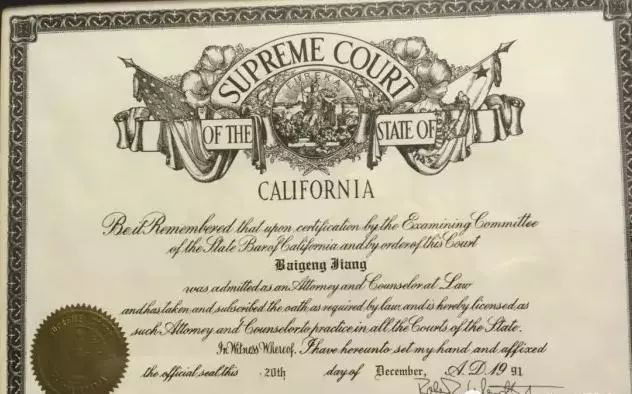
美國蔣百庚律師事務所中美兩國首創EB1全家拿美國永久綠卡,先成功后付費。無風險開啟國人全家赴美拿綠卡新篇章。擔心自己的能力得不到美國的認可,總是自我設限,拿自己跟“張藝謀,姚明……”等杰出人才做對比,擔心無法通過移民資格I-140,其實大可不必擔心。EB-1的移民申請方式具有個性化、人性化的特征,只要符合一定的條件,就可以申請,切莫盲目“聽說”與自我設限。
以上就是關于【收緊留學簽證真是餿主意!中國留學生更愿助力美國創新】的解答,如需了解學校/賽事/課程動態,可至翰林教育官網獲取更多信息。
往期文章閱讀推薦:
免雅思!免GPA換算!在線美高身份成澳洲申請“外掛”?錄取率竟比陸高20%!


翰林AMC8視頻課重磅上線!

國際競賽真題資源免費領取






