JHU公開5篇2030屆錄取文書范文!招生官點評+作者寫作心得!

2025-2026申請季的文書題目陸續揭曉,你的寫作思路定型了嗎?
還沒靈感的寶子先別慌!小林給大家挖到了一個真·寶藏——JHU約翰霍普金斯大學官網公布了5篇2030屆錄取新生的優秀范文,每一篇都附有招生官的逐篇點評,告訴你"為什么這篇能打動我們"。
圖源:JHU官網
一起來拆解這些優秀文書
找找屬于你的靈感吧
JHU 2030屆錄取新生優秀文書&點評
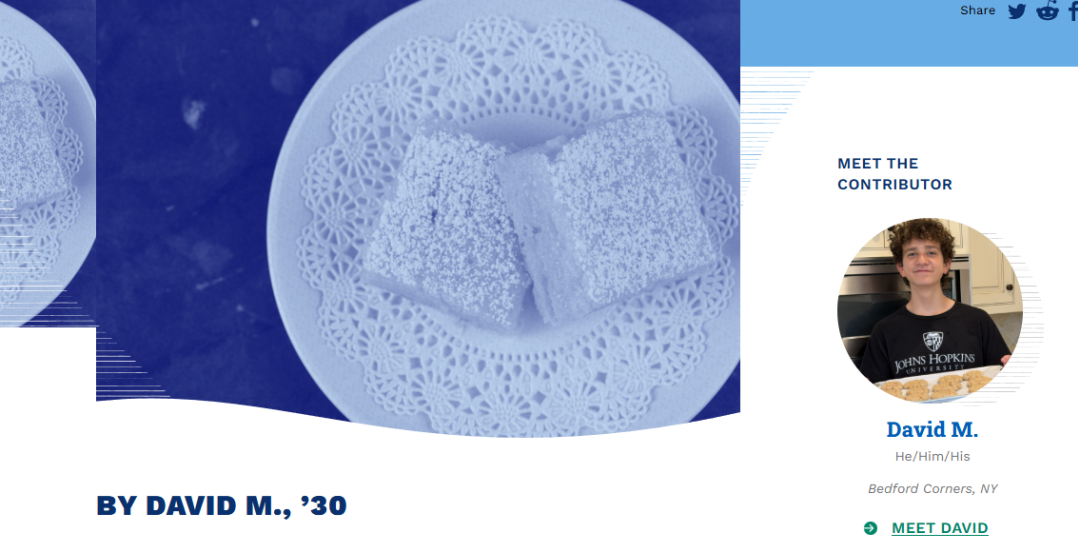
The Secret Ingredient is Connection
By David M.
An authoritative voice bellows my name in the crowded school cafeteria: “MATZ!” My freshman year track coach advances towards me, each stride squashing surrounding chatter and closing the distance between us. I know exactly what awaits me.
“Remember,” he says, standing in front of me with eyes fixed on mine, “the lemon squares.” He adds with a grin,“And could you put a smiley face on top?”
Wanting his birthday treat to be memorable, I make a note to pick up raspberry jam for drawing the image.
I am known as “The Baker” by countless teachers and peers. Throughout high school, I have shared hundreds of my homemade delights for special days and ordinary days, individuals and groups, and friends and strangers. Baking is incredibly meaningful to me as a way to strengthen my relationships with myself, others, and cultures around the world.
In the kitchen, I transform from student into both chemical engineer and principal investigator. Each creation involves a dance of chemistry on a macro and micro scale; I pour in a bit of extra flour and knead, knowing it will strengthen the dough, and I ponder the reactions that will caramelize its sugars. Following recipes suffices, for it allows me to practice technique. It is winter, so I am making a classic: sugar cookies. I want my cookies to be homogenous, so I beat the butter and sugar vigorously. But my curiosity often takes over. An enthusiast of using creativity, innovation, and sugar in equal parts, I decide to close the recipe book. I form the dough into large, rectangular sheets and do some trigonometry in my head to determine their measurements. Once the cookies emerge from the oven, I arrange them meticulously into a 3D structure using icing as glue. After adding Hershey’s chocolate bar windows and powdered sugar snow, the sugar cookie house is complete and sure to wow at the school holiday bake-off!
However, not all my experiments turn out this way. I chuckle as I recall failed explorations of yore: granulated sugar icing that tasted like sand and improperly leavened sourdough that required a saw to slice. Successful or not, each hour spent as a scientist provides fun and new knowledge.
From my experience, I can ascertain that there is a strong, positive correlation between the promise of a baked surprise and club meeting attendance. Thus, after removing cornbread from the oven, I note on the agenda for tomorrow’s Tri-M Music Honor Society meeting: “Treats!” However, my baking is far from over. I find a clean whisk and start on a second batch, although this time, it is vegan. Butter and oil trade places. Eggs give way to their flaxy brethren. The batch is smaller—I know my dietary demographics—but rich in care. Though not fortune cookies, I intend for each sweet to contain a message: Welcome. Join us. I made these for you.
In every mixing bowl lies a ticket to faraway lands. Seizing this opportunity, a friend and I chart a voyage around the globe. We first travel two thousand miles to Mexico where he shows me how to make polvorones, a traditional cookie served during weddings and holidays. Feeling inspired, I fly us across the Atlantic Ocean to Israel. There, I teach him how to braid babka, forming beautiful, overlapping connections between lengths of dough and between my Jewish heritage and me. When ready to return home, we simply leave the kitchen.
I knock on the classroom door, my smile mirroring the one made of jam on the lemony surprise I hold in my hands. My former track coach invites me in, grabbing a couple of chairs and happily accepting his birthday gift. Even sweeter than the lemon squares is the opportunity they provide; together, we reminisce about the past and discuss future plans, catching up after all this time.
The secret ingredient in each baked good I make is connection.
Admissions Committee Comments
David’s essay uses the lens of baking to highlight his commitment to excellence, community-building, and a solutions-oriented mindset. This essay is strong because it shows the admissions committee how David incorporates his passion into his extracurricular activities and connects with others.
David discusses what it looks like for him to try something new by abandoning a recipe and turning to his own sense of innovation to make the perfect dessert to share with his team. By connecting both the art and science of baking with his personal life, activities, and core values, David’s essay paints a picture of what’s important to him. This allowed us to envision him as a key member of our campus community.
譯文(僅供參考)
David的文章以烘焙為切入點,凸顯了他對卓越的追求、社區建設意識以及以解決問題為導向的思維方式。這篇文章之所以出色,是因為它向招生委員會展示了大衛如何將自己的熱情融入課外活動,并與他人建立聯系。
David討論了嘗試新事物對他來說意味著什么——他放棄現成的配方,轉而依靠自己的創新意識,制作出完美的甜點與團隊分享。
通過將烘焙的藝術性與科學性同他的個人生活、活動及核心價值觀相結合,大衛的文章描繪出了對他而言重要的東西。這讓我們能夠想象他成為我們校園社區重要成員的模樣。
David提到:“對于正在撰寫這類文書的人,我最重要的一條建議是:要展現脆弱和真實。
如果你喜歡開玩笑,就讓這一點流露出來。如果有某件非常小眾的事情對你很重要,一定要談談它。用個人軼事和強烈的自我表達來展現個性,向招生委員會展示真實的你,而不是試圖迎合你認為他們想要的樣子。
這不僅會讓你更加脫穎而出,也能確保你最終去的地方真正符合你的興趣。”
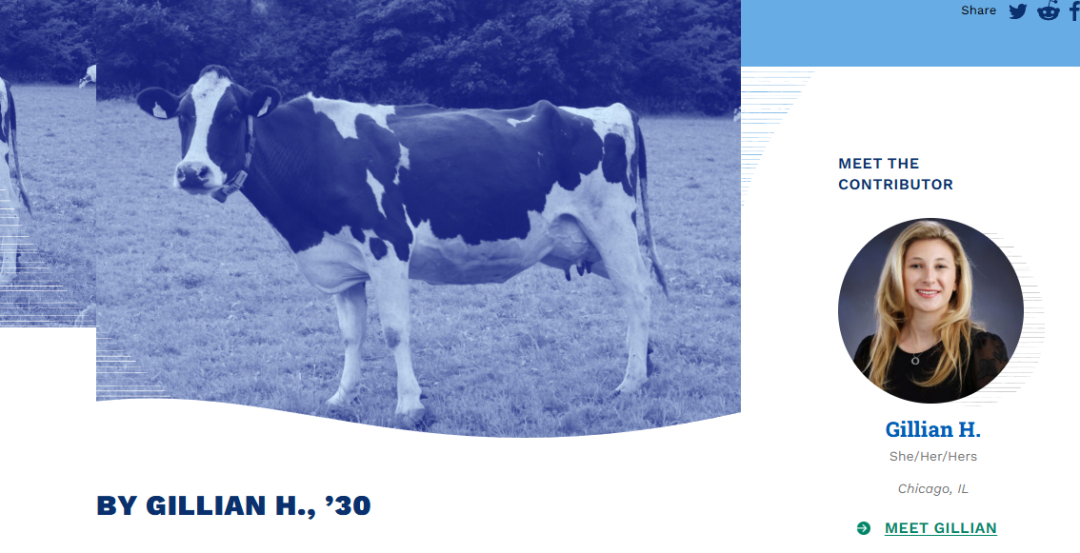
The Two Sides of America
By Gillian H.
Lucedale’s population is about 3,000. Its claim to fame is the Rocky Creek Catfish Cottage, the best place to get fried catfish in all of Eastern Mississippi. The residents have still not entirely mastered the four-way stop sign that was installed five years ago. There is little to no cell service, and the only place to shop is Walmart. Lucedale is the antithesis of Chicago. But still, it is my home away from home. The red clay from the dirt roads has seeped into my blood; I will forever be connected to the rural farmland of Mississippi.
My first summer job on the farm was simple: pick up the pinecones that fell from the giant pine by the horse pasture. They were notorious for getting stuck in the lawn mower, so PawPaw made me a deal: five dollars if I cleared them. I spent my days picking up pinecones. No matter how many I picked up, more would fall. By the end of the summer there were still countless pinecones on the ground, but PawPaw still gave me that five dollar bill.
As I got older, picking up pinecones turned to cleaning out the horse stalls turned to bush hogging. The summer that I turned 14, my brother put me on the John Deere and left. I was terrified. Driving the tractor is a major responsibility– it is easy to break and harder to fix. But, I turned it on and went back and forth in straight lines, cutting the thick, rye grass of the horse pasture.
When I was 16, I was finally old enough to work with the cows. I became an employee of SPH Cattle Co., my family’s cattle company. I learned how to herd the cows into the catch pen, which rope tightens the gate and which loosens it. The calves need all of their immunizations, the older ones only need some, and they all need to be sprayed to prevent flies. It’s a process that repeats about 50 times until all of the cows have been pushed through the pen. The work started off as a burden, something that I thought no 16-year-old girl should endure, but by the end of the summer, I found joy in it.
Even 900 miles away, Mississippi is still a part of me; the red dirt, and the lessons, will never leave my blood. Yes, I learned about responsibility and hard work. But the most important thing my summers on the farm gave me? Perspective.
I have listened to people complain at a steakhouse serving $75 ribeyes, but I’ve also experienced the hard work that goes into raising cattle. I call myself a city kid; I have grown up living in high rises, attended private schools. Yet, I have spent my summers in a farmhouse, working in the mud, trading in a golf club for a shovel. I have seen the beauty in rural life. What I value and what I believe comes from this unique perspective that I’m privileged to hold. It’s easy for my Chicago friends to write off rural life, to confine farmers to a stereotype: simple and unaware. My Lucedale neighbors think of folks in Chicago as crazy radicals. I’m unable to make these assumptions. I see the kindness and morality of urban folks. I don’t agree with everything they believe, but that does not make me respect them any less. And I also have so much respect for people from rural communities. They are some of the kindest people I’ve ever met, willing to give the shirts off their own backs to a stranger. My worldview, what I value and what I believe, comes from this rare viewpoint. The beauty of our country, what makes it so great, is these two contradicting sides. And I know first-hand that we wouldn’t survive without both of them, no matter how different they might seem.
Admissions Committee Comments
Gillian draws on her summers in Lucedale to show resilience, responsibility, and a deep appreciation for her community in all its forms. She provides details of farm life like tending cattle and learning from family, creating a vivid picture of a student who understands the value of labor, stewardship, and interdependence.
What stands out most is her ability to move beyond stereotypes and recognize the dignity in both rural and urban communities. Her experience living between Chicago and Mississippi has shaped her into someone who can connect with people from different backgrounds and value the strengths each community offers. This is the kind of student who would bring meaningful perspective to our campus because she understands how community is built through respect, empathy, and shared responsibility.
譯文(僅供參考):
Gillian借她在盧斯代爾度過的夏日,展現了堅韌、責任感以及對各種形式的社區的深切感激。她細致描述了農場生活的點滴,比如照料牲畜和向家人學習,生動刻畫出一位懂得勞動、管理與相互依存價值的學生形象。
最令人矚目的是,她能夠超越刻板印象,認識到鄉村與城市社區各自的尊嚴。往返于芝加哥和密西西比之間的生活經歷,將她塑造成一個能與不同背景的人建立聯系、并珍視每個社區所提供優勢的人。
正是這樣的學生,能為我們的校園帶來有意義的視角,因為她深知社區是通過尊重、共情和共同責任構建起來的。
Gillian提到:"當我最初起草個人陳述時,我就知道自己想寫關于盧斯代爾的故事。我覺得它能展現出我申請材料其他部分無法體現的那一面——真正的我。
在密西西比州度過夏天,確實塑造了我看待世界和身邊人的方式。它給了我一種獨特的視角,而我無法通過申請的其他部分來表達這一點。"
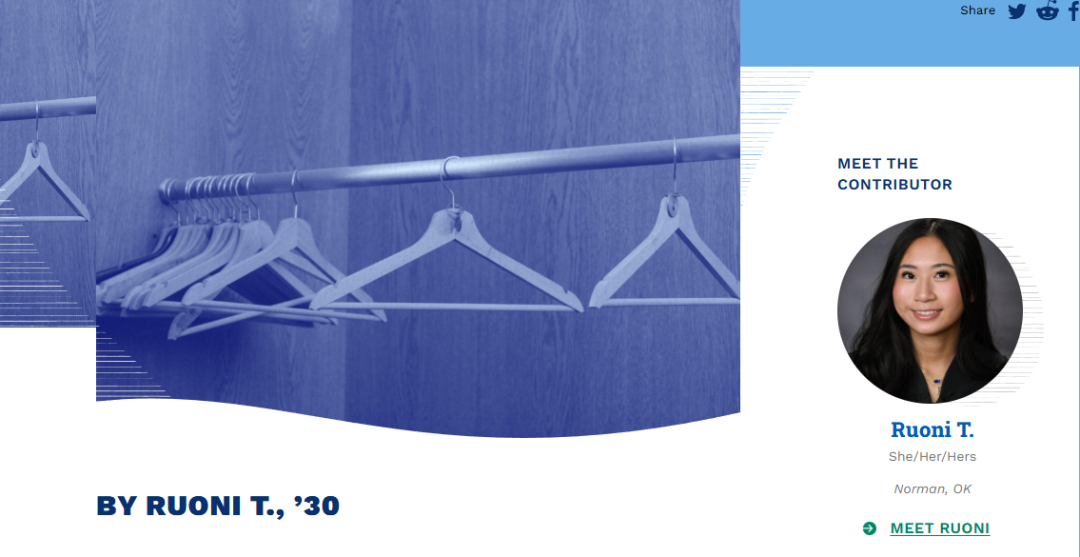
Clean Closet
By Ruoni T.
My to-do list always had one unfinished task. No matter how much time passed, I could never check off “clean closet.”
My closet is a time capsule going on eighteen years. It’s packed with favorite toys, plush animals, retired gymnastics leotards, and grandma-sewn dresses that once decorated my childhood. Shelves are adorned with art projects I once was so proud to showcase and yearbooks scribbled with notes from teachers and friends. The rest includes attempts to discover personal style, cheerleading uniforms, and several memory boxes filled to the brim. The closet holds who I was and who I’ve tried to be.
Every attempt to clean became an excavation. Picking up Littlest Pet Shop figures brought back late nights spent creating storylines. Canvases following painting tutorials showed attempts at being worry-free like Bob Ross. Trophies and medals reminded me of how I learned to flip, terrified and exhilarated at once. Every corner echoed a moment that shaped me.
As I started high school, my collection of memory boxes did too. Boxes with charming designs hold every award, letter, trinket, and photo booth strip. Another box is dedicated to flowers from friends and family that I dried. My cheer bag holds well-used pom poms and cheer shoes. All of them remind me of people I learned from and laughed with. Getting rid of them would feel bittersweet. These feelings were exactly why I could never bring myself to clean my closet before. To accommodate the future, I had to do it. One Saturday morning this spring, I sat cross-legged surrounded by piles and committed to completing the task. For years, I always put everything back in the usual place, too sentimental to let anything go. This time, I set aside what I no longer needed in a donation pile, figuring the clothes, books, and toys could benefit others rather than remain stagnant in my closet. I cleared the shelf of childhood books and old art to make space for nail supplies and more memory boxes. It felt weird. But the longer I sat, the more I valued moving toward the future. I can donate books while remembering what made me love them. I can recycle trophies without forgetting my hard work. I don’t need objects to know I’m loved. I still adore and appreciate the sentimental, but I’ve come to see it as a reminder to cherish growth rather than dwell on the past. The memory boxes are my reminders. The things I’ve let go of have grown with me: painting became nail art, gymnastics became cheer, creating storylines became exploring people.
Since then, I’ve acted on that mindset beyond my closet. I stopped constantly worrying about the past and overthinking interactions and choices. Instead, I began saying yes to things that were previously met with hesitation. The same sentimentality I reserved for objects spread to people, and I developed a love for talking to those I once just observed. I started pouring into my nail hobby and volunteering at the hospital. Through these, I get to know clients, patients, and children. I use my love for art and design to reflect personalities on fingers. I celebrate in the rehab ward when patients are going home. I teach kids to be creative and kind. Though they don’t contribute physical objects to my memory boxes, I treasure their smiles. These moments remind me that my childhood self, who loved stories and color, is still within me.
My closet is not spotless. It grows and cycles out, just like life. As I step into new chapters, new memory boxes will start for college, new people, and new milestones. And with the upcoming growth, I’ll have to leave some things behind; the difference is I now recognize that letting go is part of growing.
The next time I’m tasked to “clean closet,” it won’t take eighteen years.
Admissions Committee Comments
Ruoni turns an ordinary task into a meaningful reflection on identity, memory, and learning how to let go without losing what matters. Her essay includes vivid and specific details that make the story feel authentic, and it shows change through action: donating old belongings, making space for new interests, and becoming more open to people and experiences.
Her essay highlights her creativity, empathy, and growth through service. Ruoni also showcases something we value at Hopkins: a culture of discovery. Cleaning the closet shows her discovering who she is and what she values, which mirrors the kind of growth Hopkins supports through close relationships, residential life, and hands-on opportunities.
Overall, the essay presents a student who is ready to explore and keep evolving in a place like Hopkins.
譯文(僅供參考):
Ruoni將一件平凡的小事,轉化為對身份、記憶以及學會放手卻不失去重要事物的深刻反思。她的文章包含了生動而具體的細節,讓故事顯得真實可信,并通過行動展現了改變:捐出舊物、為新興趣騰出空間、以及變得更加樂于接納人和新體驗。
她的文章突出了她的創造力、同理心以及在服務中的成長。Ruoni還展示了我們在霍普金斯所珍視的一點:發現文化。整理衣櫥的過程,展現了她探索自我、認清自己價值觀的歷程,這與霍普金斯通過緊密的人際關系、住宿生活和實踐機會所支持的成長模式相呼應。
總體而言,這篇文章呈現了一位準備好在一個像霍普金斯這樣的地方不斷探索和持續成長的學生。
Ruoni提到:“我的申請材料列舉了我的時間分配:在管弦樂團演奏、帶領啦啦隊、在醫院做志愿者,以及與孩子們一起工作。而在那篇關于剖析衣櫥的文章中,我想通過簡短而溫馨的軼事來展現我的性格和對保存記憶的熱愛。
這些微小的細節填補了申請材料中僅列十項活動的空白。我希望我的文章能讓招生顧問更好地了解活動列表背后那個真實的我——我所珍視的東西、我的思維方式以及我對待生活的態度。”
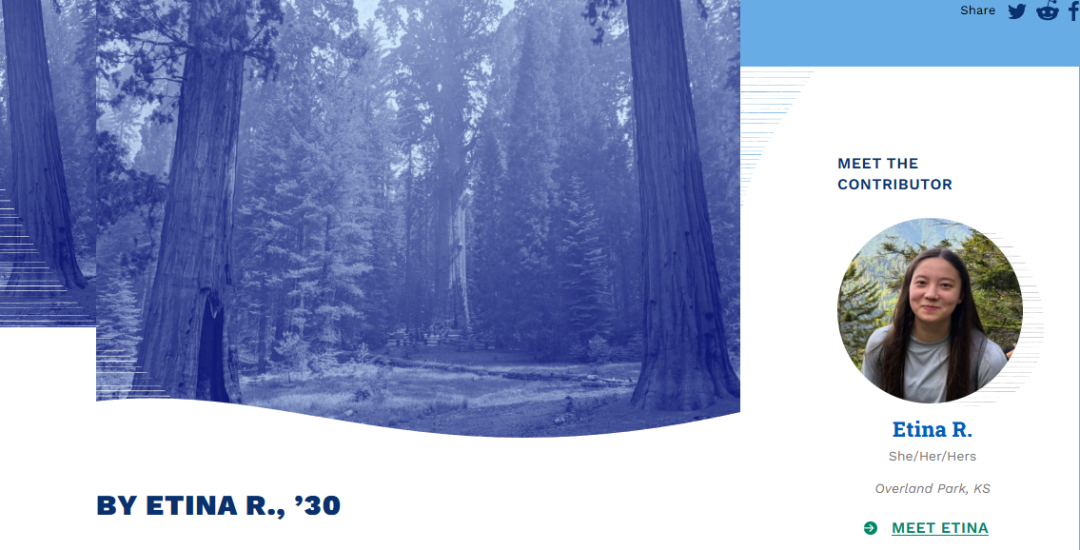
Developing Roots
By Etina R.
Flipping over rocks under the imposing maple tree in my front yard, I was looking for two things: roly pollies to stash in my Roly-Poly Playground and earthworms to feed the forever hungry chickens roaming my backyard. Looking at these invertebrates that could easily fit in the palm of my hand, made me feel almost as large, strong, and invincible as the maple tree looming above me. But a maple tree isn’t the strongest, largest, or most resilient tree that exists; I wanted to be a Giant Sequoia.
If maple trees seemed to touch the clouds, Sequoiadendron giganteum trees seemed to enter the mesosphere. Not only are they larger than any other tree species, but they have also evolved a thick, fire-resistant bark allowing growth to continue even after a ravaging fire in their ecosystem. In math and science, I am and always have been a Giant Sequoia, able to withstand countless derivatives, integrals, organelles, and principles blowing my way. In humanities classes, subjectivity covers all three hundred feet of my trunk and limbs in Pueraria, and my likeness to a sequoia is proven through the resilience needed to strip the vines of uncertainty off and see the beauty of the tree beneath.
Being in high school, I often feel like a cottonwood with a pliable, shallow root system that hasn’t yet evolved to withstand the storm that is life. I am held upright largely due to the interconnection of my root systems with like-minded peers and friends I have found through orchestra, classes, and school clubs. However strong the power of community is, in college I long to develop a deep root system of both knowledge and self-sufficiency that can keep me upright, regardless of what happens to the connections that, right now, are crucial to my survival.
The Castanea dentata, the American Chestnut, taught me to value individualism through the permeation of a fungus that ran rampant and eliminated most of the formerly populous species in the United States. Being a lone tree can limit the stresses of altruism, having each effort contribute to just myself rather than spreading through a group, making it incredibly easy to exist as a lone tree in class, absorbing nutrients accumulating ring after ring of knowledge. However, if the Giant Sequoia’s sprawling, intertwined root systems taught me anything, it was that collaboration, feedback, support, and the melding of ideas allow my community and I to have a strong foundation that can resist even the strongest of winds. I am seeking to integrate into an environment in which I can continue to live in that delicate balance between my community and individual development.
While I may aspire to be like a Giant Sequoia, my confidence more closely resembles a Fraxinus tree, of whom millions have been slain by tiny Agrilus planipennis, better known as Emerald ash borers. The strong scores that made me rise to the top in high school should imprint a sense of confidence, but confidence is easily eroded by self-doubt and a focus on the tiny mistakes that remain and drive me to keep improving myself. Only by acknowledging such vulnerabilities and working within a community of friends and mentors can I improve upon them and grow from a sapling filled with hope and potential to become the well balanced contributor to my communities that the seedling who stared at the maple leaves looming above longed to be.
Admissions Committee Comments
In her essay, Etina uses her knowledge and passion for trees to signify community, resilience, and putting down roots. The tree metaphor effectively communicates a student who thinks across disciplines in a reflective way. We also see a thoughtful balance between community and individual growth, which suggests an understanding of the kind of learning environment where she would thrive.
From her essay, we see a student who values belonging, mutual support, and shared growth, and we can picture how she would enrich our Blue Jay community. The essay is especially effective when it uses the natural world to reveal something personal about confidence, development, and the process of becoming a more grounded, independent learner.
譯文(僅供參考):
在她的文章中,Etina運用她對樹木的知識與熱情,來象征社區、韌性和扎根。這個樹木隱喻有效地展現了一位能夠以反思方式進行跨學科思考的學生。我們還看到了社區成長與個人成長之間深思熟慮的平衡,這表明她了解什么樣的學習環境能讓她茁壯成長。
從她的文章中,我們看到了一位重視歸屬感、相互支持和共同成長的學生,我們可以想象她會如何豐富我們的藍鳥社區。這篇文章尤其出色之處在于,它借助自然界來揭示關于自信、發展以及成為一個更穩健、更獨立的學習者的個人歷程。
Etina提到:"撰寫個人陳述最難的部分就是要寫我自己;我打出來的每一個字都感覺不夠真誠,而且缺乏上下文。為了解決這個問題,我探索了自己申請材料中沒有明顯體現的興趣愛好,希望能帶來一種更真實的感覺。
我最終選擇了樹木這個主題,并用每一種樹來突出我自身的某一特點。通過消除我對個人陳述應該是什么樣子的預期,我克服了無從下筆的障礙,并真實地展現了自己。"

In the Belly of the Ship
By Ruoyu X.
I lay on the bamboo mat in a pool of my own sweat, swaying with the ship. A net around my cot attempted to keep out the mosquitos, and the room’s thin walls leaked every crewman’s cough. Yet as I looked outside the porthole, the greatest discomfort was my own shame.
Growing up in a coastal city, the sea carried a call to action. My father, once a cargo crewman and now a shipping administrator, shared tales of free-spirited voyages and world experience; yet I was most drawn to his depictions of close-knit crews. I was someone who hesitated in small social moments: lowering my eyes in the hallway, uncertain if a wave was meant for me, never taking that initial step. The ship seemed to provide what everyday life lacked: a space where closeness was facilitated.
But when I interned aboard a similar vessel in summer 2024, I quickly discovered the details my dad had left out. My excitement melted under the 100°F sun. There weren’t assigned tasks to distract myself with, and both my journal and copy of Moby-Dick I had brought aboard became nothing more than paper weights.
Worse, I didn’t perceive the camaraderie my father had described. The crew kept to their shifts, mostly isolated in the rooms, caring only that “the ship keeps moving.” The sailors spoke in a provincial dialect I could barely follow, and my father had advised me to conceal my background (as an international school student and administrator’s daughter) for fear it would alienate me from the crew. I tried to join conversations, but with no relatable experience and only fragments of understanding, my words fell short. All I felt I could do was lie flat in my cot and wait for morning.
When I disembarked a week later, my relief was as overwhelming as the heat had been. Yet with time, what returned to me most was the sailors’ faces, carrying stories I had never uncovered.
Which is why, the next summer, I stubbornly boarded again. I carried unease, knowing how physically and emotionally draining the prior voyage had been; but I also carried determination to resist that urge to retreat into my cabin. When I boarded, the engineer (the rare woman aboard) looked at me with surprise and spoke in Mandarin instead of dialect: “most never come back. They don’t appreciate the routine.”
Routine. I became determined to find a routine that wasn’t “hide from the heat.” I volunteered to help: rust-chipping the deck, double-checking the cargo tallies, and washing vegetables. The more I leaned into the routine, the more it carried me. Small things I had ignored before became luminous: hammocks stretched beneath the night sky, chuckles exchanged over bowls of noodles.
With little windows of opening, nods of appreciation or smiles of hello, I took small steps to unearth their experience, not allowing dialect (or a ‘blacklist’ of what truths I should withhold) inhibit me. When I led with authenticity, previous obstacles fell to the wayside. In return, I received incredible stories. Not glamorous sea adventures, but honest experiences from people of all walks of life, all of which were documented in my seafarer’s journal. Everything from a middle-aged couple who decades ago had gone deep into debt (and spent 30 years at sea repaying it), to a young captain sailing from loneliness. Soon, my observations transformed into responsibility; after months of policy research, interviews, and sample collection regarding the crew’s lack of treated water, I led water safety sessions and successfully petitioned the department of transportation for new regulations regarding small vessels’ right to clean water.
My contributions were made possible by that crucible at sea, forged in sweat, silence, and routine: the value of small steps, the power of camaraderie, and the fulfillment of persevering through failure. I’m proud to have been eaten alive by a metal beast, and then entered its jaws once more.
Admissions Committee Comments
Ruoyu’s essay demonstrates great strength and perseverance through time spent interning at sea. Through this experience, Ruoyu notes that she wants to make her own impact instead of following in the footsteps of the people before her or blending in with the rest of the crew. She tries something new that didn’t live up to expectations on the first try but still has the courage to return. This shows the admissions committee her determination and persistence, dedication to excellence through research, and how she found community in unexpected places—all qualities that make a strong Hopkins student.
譯文(僅供參考):
Ruoyu的文章通過海上實習的經歷展現了巨大的力量和毅力。在這次經歷中,Ruoyu提到她想要創造屬于自己的影響力,而不是追隨前人的腳步或與船員們融為一體。
她嘗試了新事物,第一次嘗試并未達到預期,但她仍有勇氣再次歸來。這向招生委員會展示了她的決心和堅持、通過研究追求卓越的奉獻精神,以及她如何在意想不到的地方找到歸屬感——所有這些品質都造就了一名優秀的霍普金斯學生。
Ruoyu提到:“我選擇這個主題,是因為它跳脫了我學生生活的常規邊界,而這一選擇使得結尾成了最難寫的部分。幾個月里,我寫了多個版本的結尾段落,因為我很難確定該用什么意義(如果有的話)來定義我的經歷。
我是在尚未拉開足夠距離、還不清楚自己的故事意味著什么的時候就開始動筆了。最終,真誠的經歷與真誠的文字之間的鴻溝,不過是時間的靜默之功。”
看到這,2027Fall的同學們心里有數了嘛?
關于招生官喜歡的文書,小林再給大家捋一捋
招生官偏愛的文書有何特點?
真實性與脆弱感
招生官看重學生敢于展現真實的自己,包括不完美、失敗或困惑的一面。
例如David建議“be vulnerable and authentic”,Gillian和Ruoni也都強調寫出申請材料之外的真實側面。
以小見大的敘事能力
擅長從日常小事切入,挖掘深層意義。
如Ruoni寫整理衣櫥來探討身份與記憶,Etina用樹木隱喻個人成長,Ruoyu寫海上實習的挫折與堅持。平凡經歷因獨特視角而變得有力。
鮮明的個人聲音與風格
文書應有強烈的個人表達,而非套模板。David說“如果你喜歡開玩笑,就讓這一點流露出來”。
招生官希望讀到“這個人是誰”,而不是“這個人覺得我們想看什么”。
展現成長與反思
不僅是做了什么,更是經歷了什么、學到了什么、改變了什么。
例如Ruoyu第一次嘗試失敗后仍選擇重返,Gillian在城鄉生活間打破偏見,這些都體現了反思后的成長。
與目標學校的價值觀契合
招生官會看學生是否理解并匹配該校的文化。
如JHU強調“發現文化”“社區建設”“實踐機會”,文中Ruoyu、Etina等人的故事恰好呼應了這些特質。
體現多維能力與品格
優秀文書往往自然地融合多項素質:化學思維、數學應用、領導力、包容性、跨文化理解等,而非生硬羅列成就。
總之,招生官喜歡的文書核心是:用一個真實、具體、有反思的個人故事,展現你是誰、你看重什么、你將如何為校園社區帶來獨特的價值!
本期免費福利
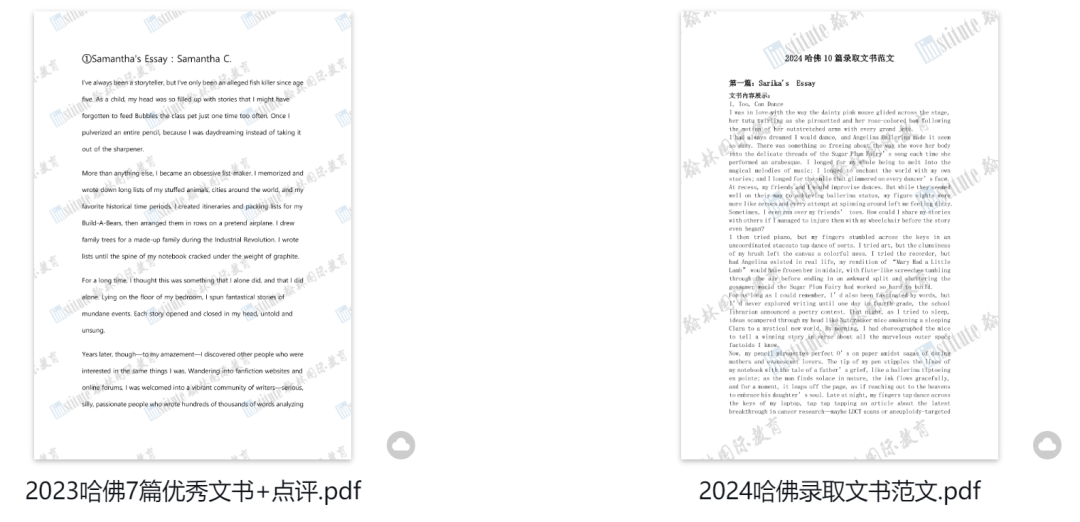
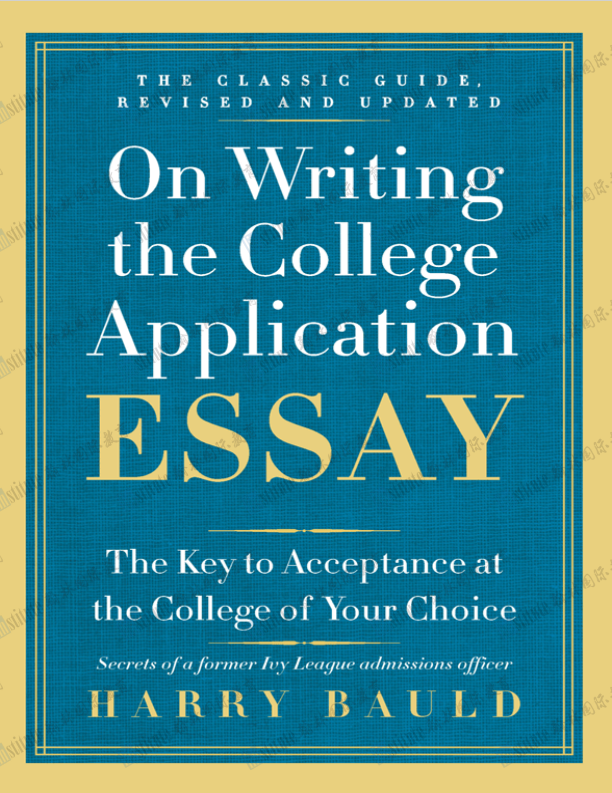
僅展示部分
哈佛2026優秀文書+點評
美本申請推薦文書書籍
掃碼領取

當然,一篇出色的文書固然重要,但全面提升個人競爭力才是申請成功的根本!
特別是對于未到申請季的同學們來說,在正式進入申請季前多積累經歷。特別是對自己感興趣的學科領域,不妨嘗試參加相關競賽活動,這不僅能拓展你的視野,更能為未來的文書創作積累豐富的素材!


了解各科國際競賽詳情
可掃碼咨詢顧問老師
我要咨詢!
更多信息可咨詢顧問
翰林賦能國際學術進階
全學科120+競賽|學術科研|IB/AP/A-LEVEL
培訓+美高雙資質,助力學員學術精彩!
以上就是關于【JHU公開5篇2030屆錄取文書范文!招生官點評+作者寫作心得!】的解答,如需了解學校/賽事/課程動態,可至翰林教育官網獲取更多信息。
往期文章閱讀推薦:
UC九校官方畢業生薪資出爐!UCSD 薪資反超 UCLA,國際生薪資全面領跑!


翰林AMC8視頻課重磅上線!

國際競賽真題資源免費領取






